



What's Happening?
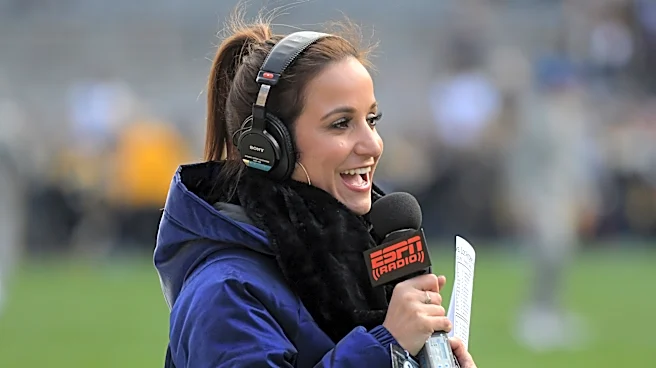
Megyn Kelly, joined by journalist Matt Taibbi, strongly criticized People magazine's recent profile of reporter Dianna Russini, which focused on her return to sports media following a controversy involving New England Patriots head coach Mike Vrabel.
Kelly expressed dissatisfaction with the article's framing, calling it 'absurd, ridiculous, poisonous spin that takes zero responsibility for what she actually did.' The profile highlighted Russini's personal growth and resilience, portraying her as an inspiration for other women. However, Kelly and Taibbi argued that the interview failed to adequately address the professional accountability aspects of Russini's conduct, particularly her relationship with a source she covered. The controversy originated in April when photographs of Russini and Vrabel at an Arizona resort led to Russini's resignation from The Athletic, where an investigation concluded she should have disclosed the nature of her relationship with the source.
Why It's Important?
This critique by Megyn Kelly and Matt Taibbi is significant for the U.S. media landscape, particularly in sports journalism. It reignites discussions about journalistic ethics, the importance of transparency, and the potential conflicts of interest when reporters develop personal relationships with their sources. The debate highlights the tension between a public figure's right to a personal narrative of redemption and the media's responsibility to hold individuals accountable for professional conduct. For sports journalism, this incident could lead to increased scrutiny of reporter-source interactions and potentially influence editorial policies regarding disclosure. It also impacts public perception of media integrity, as audiences may question the objectivity of reporting if ethical lines are perceived to be blurred. The controversy underscores the challenges faced by journalists in maintaining professional boundaries while pursuing stories.
What's Next?
Dianna Russini is scheduled to launch 'The Russini Report,' a weekly live show and accompanying column, on November 11. This marks her official return to sports media. The critical reception of her new venture will likely be influenced by the ongoing discussions about her past conduct and the media's portrayal of it. Megyn Kelly's strong stance suggests that questions about Russini's professional judgment and disclosure will persist, potentially affecting her public image and the credibility of her new platform. Media organizations may face renewed pressure to review and reinforce their ethical guidelines for journalists, especially concerning relationships with sources. This situation could also prompt further public discourse on the standards of accountability for media personalities and how their personal lives intersect with their professional responsibilities.
Beyond the Headlines
The controversy surrounding Dianna Russini and the subsequent media critique by Megyn Kelly touches upon deeper societal implications regarding gender, professional ethics, and the narrative of 'comeback' stories. The framing of Russini's return as an inspirational tale, while potentially empowering for some, is seen by critics as sidestepping crucial questions of accountability, particularly for women in male-dominated fields like sports journalism. This raises questions about whether different standards of scrutiny are applied based on gender or public sympathy. Furthermore, the incident highlights the broader challenge of maintaining journalistic independence in an era where personal brands and social media influence often blur the lines between professional and private lives. The ongoing debate could contribute to a re-evaluation of how media figures are expected to navigate their careers in the public eye, emphasizing the need for consistent ethical standards across the board.