




What's Happening?
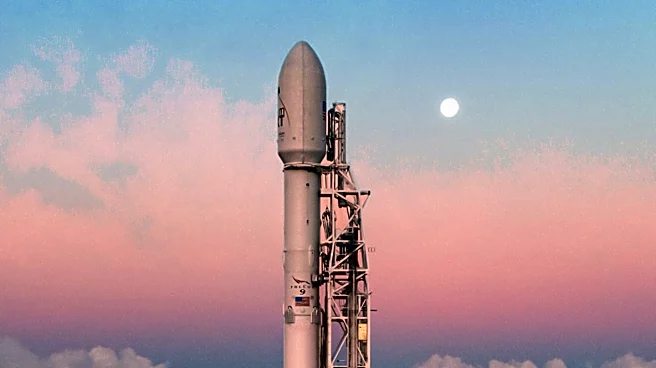
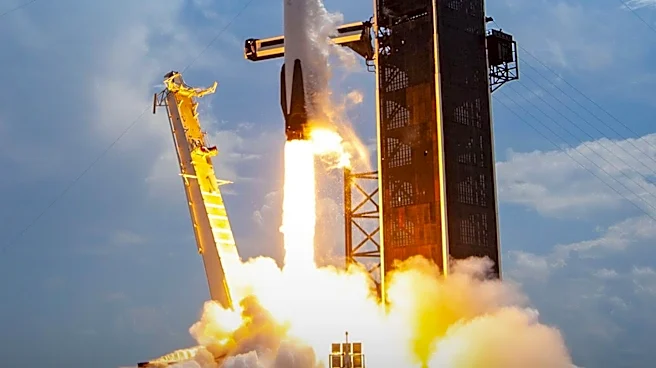
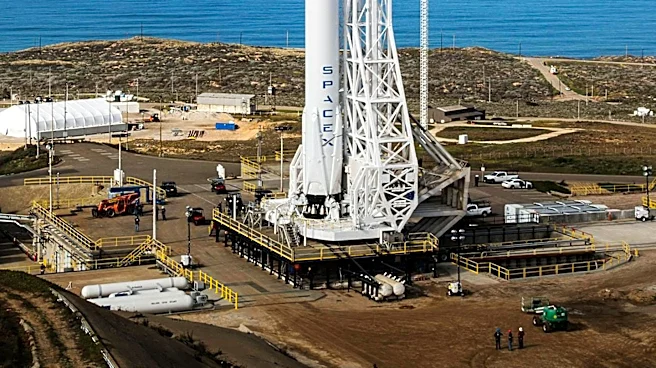
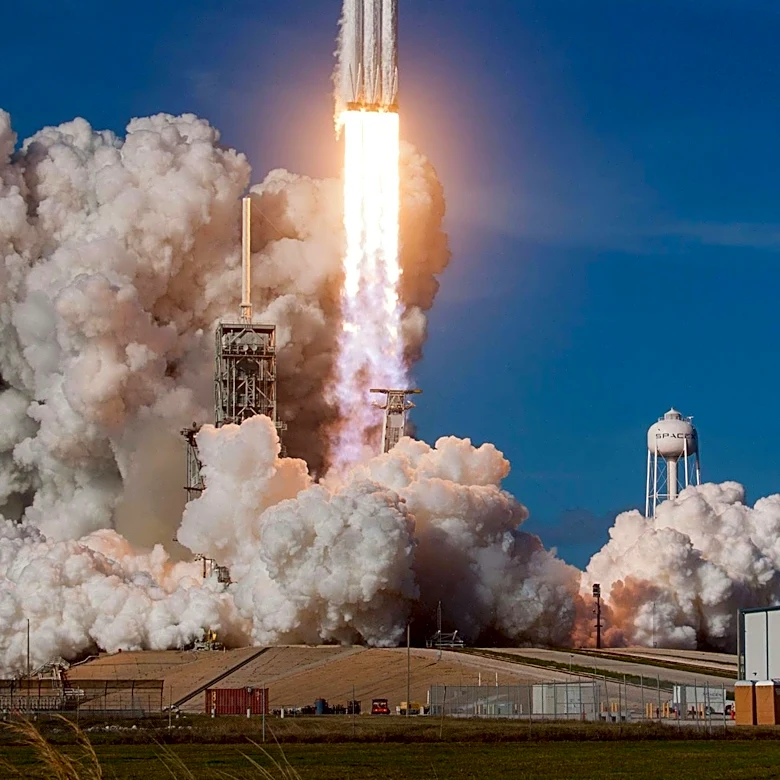
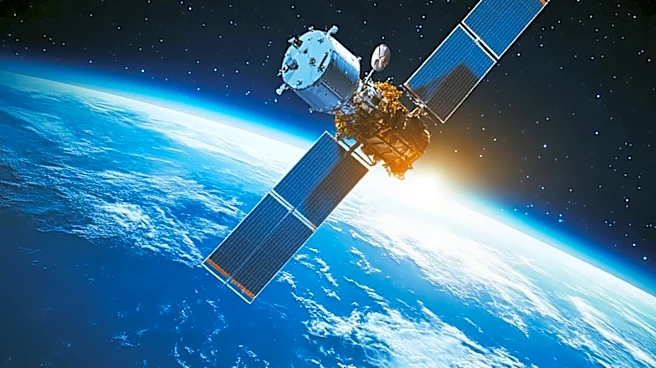
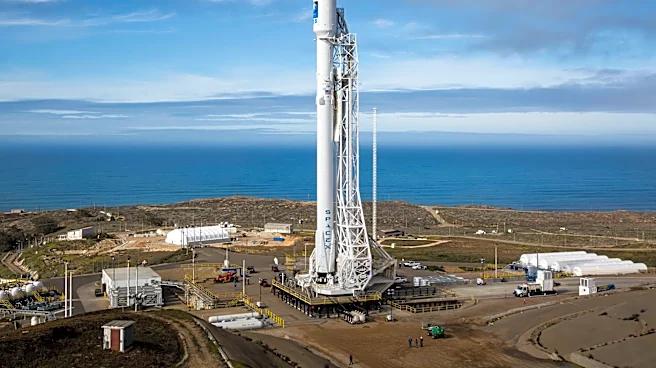
SpaceX's Transporter-17 mission has successfully launched from Vandenberg Space Force Base, marking a significant milestone by carrying the first commercial nuclear-powered satellite into orbit. The satellite, developed by City Labs, features a betavoltaic
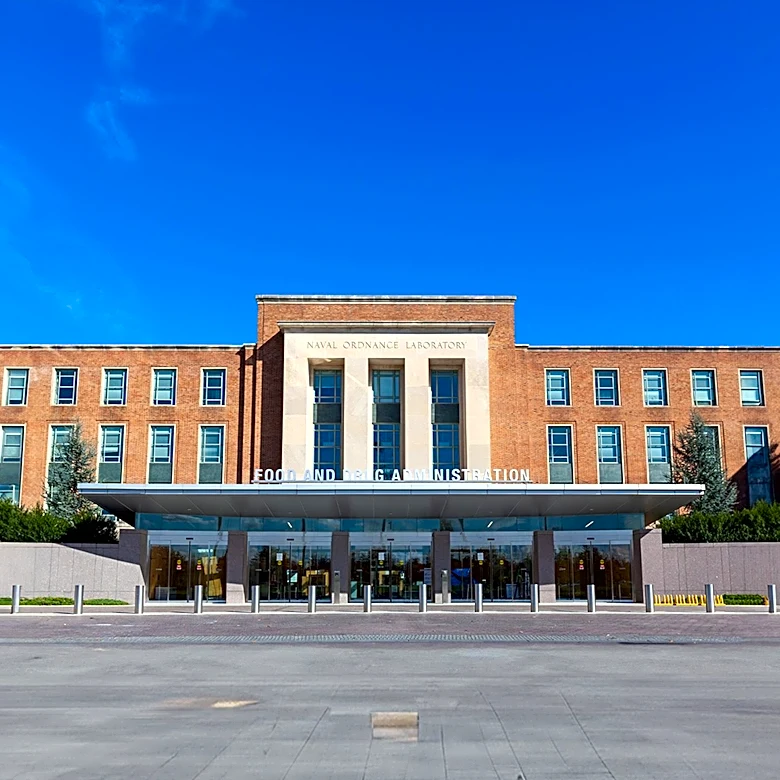
battery powered by tritium, allowing it to operate independently of solar power. This launch is part of a broader mission that included 81 payloads, showcasing a diverse array of technological advancements. The mission highlights a shift in the space industry towards commercial nuclear power, with City Labs receiving FAA authorization for this groundbreaking launch. The Transporter missions have been crucial for the space industry, providing cost-effective access to orbit for numerous payloads since 2021. However, SpaceX has announced it will stop accepting reservations for these missions after 2029, raising concerns about the future availability of such opportunities.
Why It's Important?
The launch of the first commercial nuclear-powered satellite represents a pivotal moment in space technology, potentially transforming how satellites are powered. This development could lead to more sustainable and long-lasting space missions, particularly in environments where solar power is insufficient. The decision by SpaceX to halt future Transporter reservations could significantly impact the space industry, as these missions have been a vital resource for new entrants seeking affordable access to orbit. The shift may indicate SpaceX's strategic focus on its own projects, such as Starlink and xAI, which could alter the competitive landscape of the space launch market. This change could challenge smaller companies and startups that rely on rideshare opportunities to deploy their technologies.
What's Next?
The future of commercial nuclear-powered satellites will likely depend on the success of City Labs' current mission and the regulatory pathways it establishes. If successful, this could pave the way for more widespread adoption of nuclear power in space, particularly for missions to the Moon and beyond. Meanwhile, the space industry must adapt to the potential reduction in rideshare opportunities from SpaceX, possibly accelerating the development of alternative launch providers. Companies may need to explore new partnerships or invest in their own launch capabilities to ensure continued access to space. The industry will be closely watching SpaceX's strategic moves and their implications for the broader market.
Beyond the Headlines
The introduction of commercial nuclear power in space raises important regulatory and safety considerations. While tritium is considered safe for terrestrial applications, its use in space requires careful oversight to prevent potential hazards. The success of City Labs' mission could influence future regulatory frameworks, balancing innovation with safety. Additionally, the potential reduction in rideshare opportunities from SpaceX may drive innovation in launch technologies and business models, as companies seek to maintain their access to space. This could lead to increased competition and collaboration within the industry, ultimately benefiting technological advancement and cost reduction.