


What's Happening?
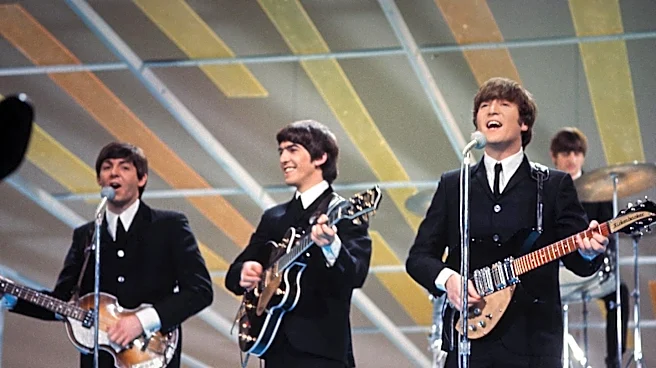
Westminster City Council is set to vote on proposals to convert 3 Savile Row in London, the former headquarters of The Beatles, into a seven-story cultural experience and exhibition. Apple Corps, the intellectual property company established by The Beatles, re-acquired
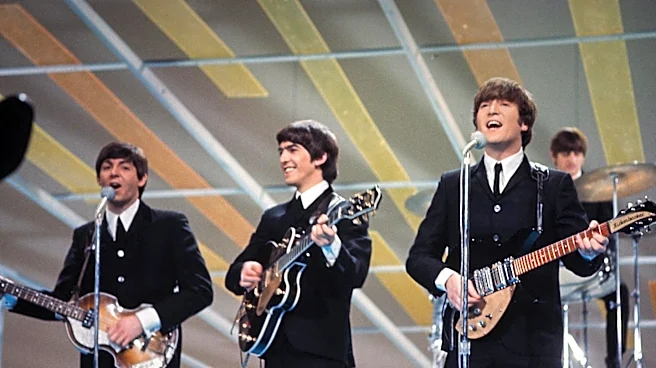
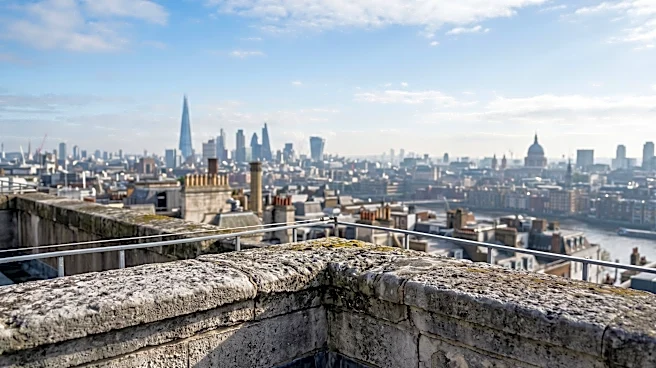
the building and plans to open it as a visitor attraction in 2027. The council has outlined several conditions for approval, including noise limiters for amplified audio and a restriction on live music on the rooftop to prevent unacceptable noise levels. An acoustic barrier measuring 2 meters high has also been proposed. The building is famous as the site of The Beatles' final public performance in 1969, which took place on its rooftop. The proposed attraction would feature a re-creation of the studio where the band recorded 'Let It Be' and provide access to the iconic rooftop, alongside items from the Apple Corps archives and temporary exhibitions. Paul McCartney has expressed enthusiasm for the plans, calling them "terrific."
Why It's Important?
This development is significant for the cultural tourism sector and the preservation of music history. The transformation of 3 Savile Row into a dedicated Beatles attraction could draw a substantial number of tourists, potentially impacting local businesses and infrastructure. While it offers a new destination for fans, the proposed restrictions on live rooftop music directly address concerns about noise pollution and local disruption, highlighting the tension between commercial development and community well-being. The decision by Westminster Council will set a precedent for how historical music sites are managed and developed in urban environments, balancing public access and historical commemoration with the needs of local residents and businesses. The involvement of Apple Corps and Paul McCartney underscores the enduring legacy and commercial viability of The Beatles' brand.
What's Next?
Westminster City Council will vote on the proposals for the Beatles attraction, including the conditions regarding live music and noise control. If approved, Apple Corps plans to open the visitor attraction in 2027. The Savile Row Bespoke Association, representing local tailors, has voiced opposition, citing concerns about potential congestion and negative impacts on the area. The Mayfair Neighbourhood Forum has also requested that the number of tourists be significantly reduced and that the attraction be monitored for 12 months before any expansion. The outcome of the council's vote will determine the specific operational parameters for the attraction, particularly concerning live music events on the rooftop, and will influence how the site integrates with its historic and commercial surroundings.
Beyond the Headlines
The debate surrounding the proposed Beatles attraction at 3 Savile Row extends beyond mere planning permission, touching upon the broader implications of cultural heritage commercialization. The council's consideration of a live music ban on the rooftop, despite its historical significance as the site of The Beatles' last public performance, highlights a pragmatic approach to urban management. This decision reflects a balancing act between celebrating iconic cultural moments and mitigating potential disturbances to a historic and commercially active neighborhood. It also raises questions about the authenticity of historical experiences when certain elements, like live music at a famous performance site, are restricted. The project's success will likely be measured not only by visitor numbers but also by its ability to integrate respectfully into the existing urban fabric and address the concerns of local stakeholders.