





What's Happening?
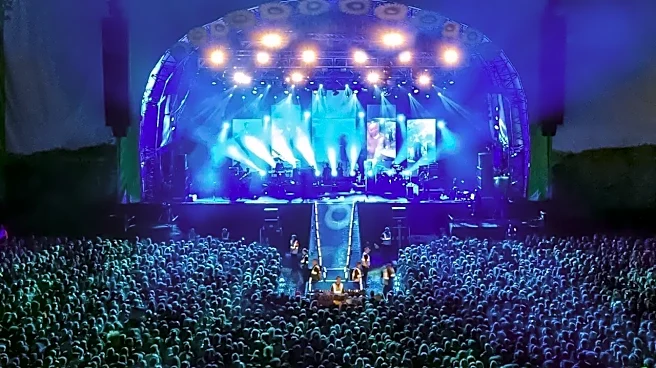
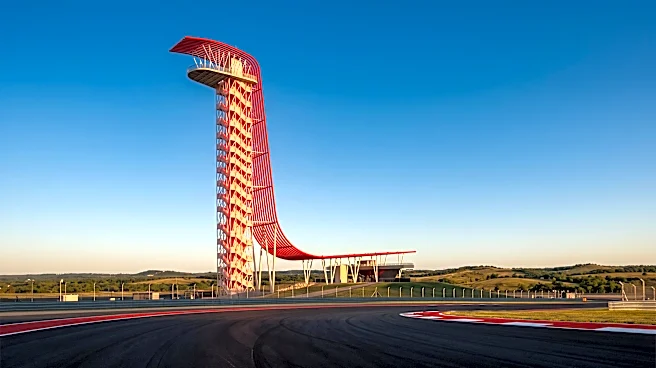
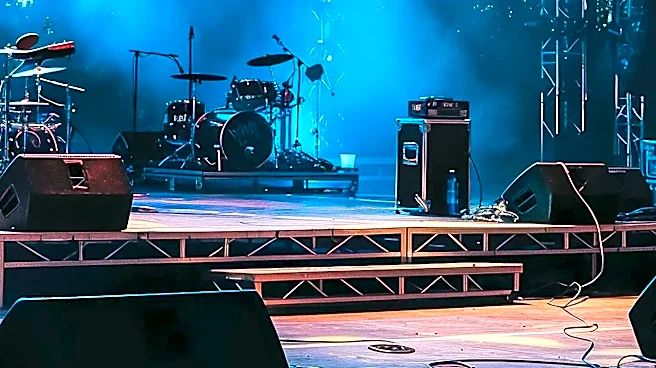
While South by Southwest (SXSW) is Austin's most recognized event in March, the city's most expensive month for hotel rates is October, with an average of $209 per night. This peak is primarily driven by two major events: the Austin City Limits music
festival, which spans two weekends in Zilker Park, and the Formula 1 United States Grand Prix held at Circuit of the Americas. In contrast, Austin's cheapest month for hotel stays is August, with rates around $134, largely due to high temperatures and the absence of major events. This data, derived from an analysis of 128.5 million hotel searches over two years by Engine, a work travel booking platform, highlights how specific events significantly impact local economies and tourism.
Why It's Important?
This information is crucial for the U.S. tourism and hospitality industries, particularly in cities like Austin that host multiple large-scale events. It demonstrates that the perceived prominence of an event (like SXSW) does not always correlate with its direct economic impact on hotel pricing compared to other, perhaps less globally recognized, events. For businesses, understanding these peak periods is vital for strategic planning, pricing, and resource allocation. Travelers, both business and leisure, can use this insight to optimize their travel budgets by avoiding peak event dates or by shifting their travel by a week or two to find more affordable accommodations. This data also underscores the significant economic contributions of diverse event types—music festivals and sporting events—to local economies.
What's Next?
The insights into Austin's hotel rate fluctuations suggest that event organizers and city planners will continue to strategically schedule major events to maximize economic benefit while potentially managing visitor flow. Hotels and hospitality providers will likely adjust their pricing models and marketing strategies to capitalize on these identified peak periods. For consumers, this data encourages more informed travel planning, potentially leading to shifts in booking patterns as travelers seek better value. Future analyses may delve deeper into the specific economic contributions of each event, influencing city investments in infrastructure and event promotion. The trend of specific events driving significant rate spikes is likely to be observed and analyzed in other U.S. cities with robust event calendars.
Beyond the Headlines
Beyond the immediate economic implications, the disparity in hotel rate impact between SXSW and events like Austin City Limits and Formula 1 reveals deeper insights into the demographics and spending habits of different event attendees. SXSW, while culturally significant, may attract a more diverse audience with varying budget constraints, whereas events like Formula 1 often draw a demographic willing to spend more on premium experiences, including accommodation. This highlights the nuanced economic ecosystems surrounding major events and the varied ways they contribute to a city's overall economy. It also prompts a discussion about the 'true' economic value of different types of cultural and sporting events, beyond just attendance numbers, considering factors like visitor spending patterns, length of stay, and ancillary business generated.