




What's Happening?
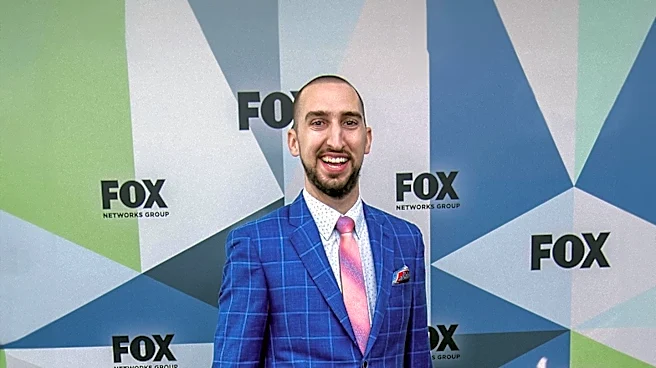
A Delaware judge has mandated that Fox Corp. disclose hundreds of documents relevant to a long-running shareholder lawsuit. The lawsuit, initiated three years ago, seeks to hold Rupert Murdoch, his son Lachlan, and other board members accountable for
fostering a business model that has led to repeated scandals and costly litigation. This legal action was prompted by Fox's nearly $800 million settlement with Dominion Voting Systems over the spread of 2020 election conspiracy theories. Another ongoing defamation case by Smartmatic USA is seeking $2.7 billion from Fox. The shareholders' case also references an undisclosed settlement with the family of Seth Rich and a phone hacking scandal in Britain that cost News Corp. approximately $1.5 billion. The core of the shareholders' argument hinges on the independence of former Ford Motor Co. CEO Jacques Nasser, who served on various Murdoch corporate boards. The judge's ruling requires Fox to provide a list of all email addresses used by Nasser and Rupert Murdoch, years of Fox board meeting minutes, and sealed court documents from the Smartmatic case concerning Murdoch's alleged destruction of evidence.
Why It's Important?
This ruling is significant as it could expose the inner workings of Fox Corp.'s governance and the relationship between Rupert Murdoch and key independent directors like Jacques Nasser. If the evidence reveals that Nasser was not truly independent and made decisions prioritizing the Murdochs' interests over the company's, it could lead to a trial and potentially hold board members liable for corporate misconduct. The case highlights the ongoing scrutiny of media companies regarding their content and corporate responsibility, especially in the wake of high-profile defamation lawsuits. The outcome could set a precedent for how independent directors are expected to function within family-controlled corporations and the level of accountability they face. Furthermore, the allegations of evidence destruction, including Rupert Murdoch's auto-deletion of text messages, raise serious questions about corporate transparency and legal compliance, potentially impacting future litigation strategies for other media entities.
What's Next?
Following the Delaware judge's order, Fox Corp. will be compelled to hand over the specified documents, including emails from Nasser's Ford accounts and board meeting records. These documents will be crucial for the shareholders' attorneys to build their case, particularly in demonstrating the alleged lack of independence of board members. The review of sealed court documents from the Smartmatic case regarding Murdoch's 'spoliation' of records will also be a key development. If the evidence supports the shareholders' claims that more than half of Fox's board members were not independent, the case is likely to proceed to trial. This could lead to further legal battles and potentially significant financial repercussions for Fox Corp. and its leadership. The ongoing Smartmatic lawsuit, which also involves allegations of evidence destruction, will likely be influenced by the revelations from this shareholder case, potentially increasing pressure on Fox.
Beyond the Headlines
The deeper implications of this case extend beyond corporate governance and financial liability. It touches upon the ethical responsibilities of media organizations and their leadership in an era of heightened political polarization and the spread of misinformation. The allegations of spreading conspiracy theories and the subsequent costly settlements underscore the potential for media content to have profound real-world consequences. The scrutiny of 'independent' directors' roles in family-controlled businesses also raises broader questions about corporate oversight and accountability structures. This case could influence how media companies manage their content, preserve communications, and select their board members, potentially leading to increased transparency and stricter adherence to corporate governance principles across the industry. The legal battles also highlight the challenges of balancing journalistic freedom with the need for factual accuracy and the prevention of harm.