




What's Happening?
A fabricated internal letter, falsely claiming to represent hundreds of NVIDIA employees demanding the return of CEO Jensen Huang and the resignation of the board, has been circulating online. Reuters has confirmed the document is a fabrication. NVIDIA cofounder
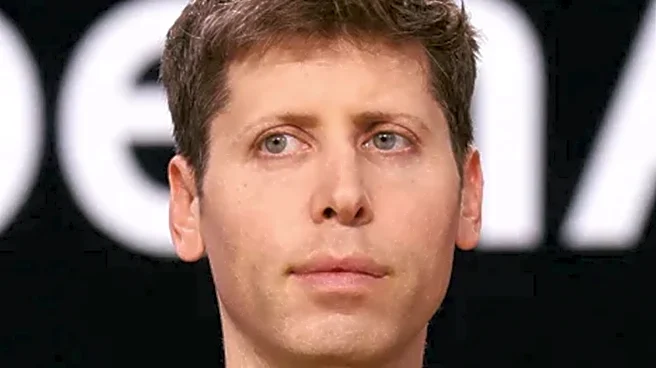
Chris Malachowsky, whose name was listed among the supposed signatories, explicitly stated the letter was fake. Executive Bryan Catanzaro also rejected the document's authenticity. The fabricated letter reportedly mimicked the language used in a genuine employee letter circulated during Sam Altman’s removal from OpenAI in 2023. This incident highlights a growing concern regarding the spread of misinformation through fabricated corporate communications, which can quickly create false narratives about employee sentiment, executive divisions, and governance pressures within companies.
Why It's Important?
The circulation of a fake internal NVIDIA letter underscores a significant challenge for corporate leadership and public relations in the digital age. Fabricated documents can rapidly influence journalists, investors, and employees, potentially destabilizing a company's reputation and market standing. In a leadership crisis, the speed at which misinformation spreads can be detrimental, making it crucial for companies to have robust and rapid authentication processes for internal communications. This incident demonstrates how easily false information, especially when it mimics credible formats, can be perceived as legitimate, thereby necessitating enhanced vigilance and proactive communication strategies from corporations to counter such deceptive practices and maintain trust among stakeholders.
What's Next?
For CEOs and corporate boards, this incident necessitates the development of new reputation-management requirements. Companies will likely need to implement rapid authentication processes for internal letters, screenshots, and executive statements, alongside traditional media monitoring. The ability to authoritatively prove the veracity of communications will become increasingly vital, especially during periods of corporate change or crisis. This could lead to greater adoption of secure internal communication platforms and clearer protocols for official company announcements to prevent similar misinformation campaigns from gaining traction and impacting corporate stability or public perception.
Beyond the Headlines
This event points to a broader trend of sophisticated misinformation tactics that extend beyond political spheres into the corporate world. The deliberate copying of language from a previous, genuine corporate crisis (OpenAI's Sam Altman situation) indicates a calculated effort to lend credibility to the fabrication. This raises ethical questions about the intent behind such fabrications and the potential for malicious actors to manipulate corporate narratives for various motives, including market manipulation or reputational damage. The incident also highlights the evolving nature of digital trust and the increasing difficulty for the public to discern authentic information from sophisticated fakes, placing a greater burden on organizations to not only communicate effectively but also to actively combat disinformation.