


What's Happening?
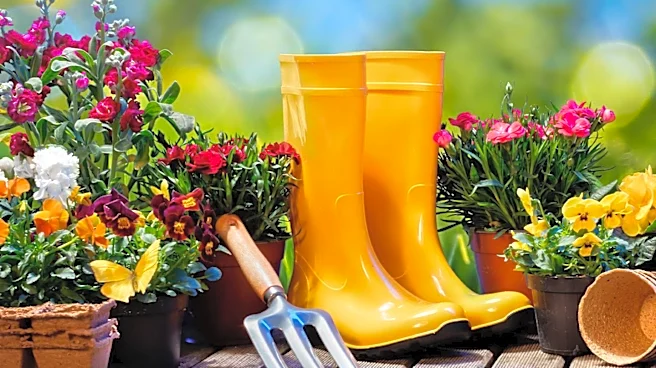
As August marks the end of summer, gardening experts emphasize the importance of several key tasks to maintain and enhance garden health. Watering is crucial, especially during dry spells, to prevent shallow roots from drying out and to care for newly
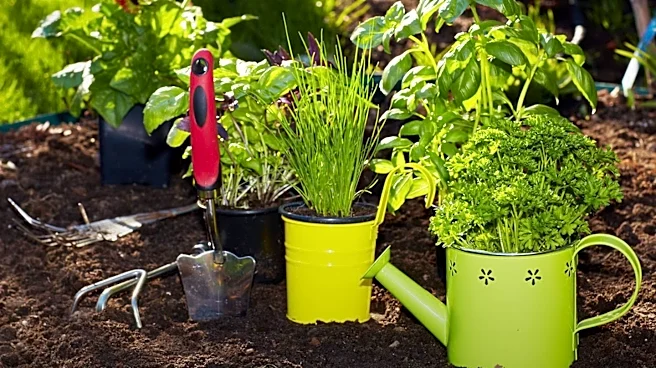
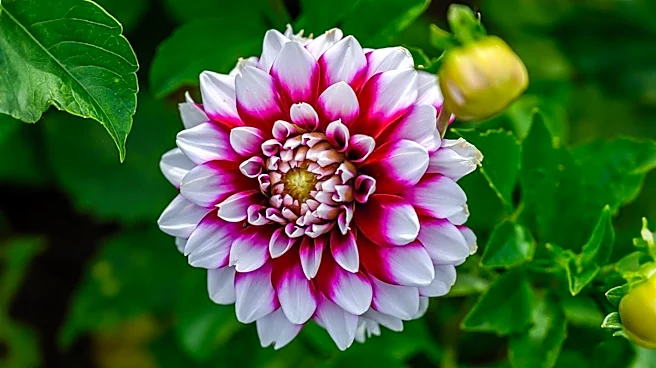
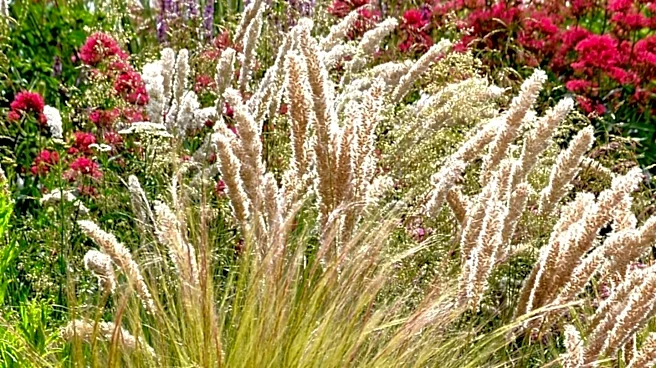
planted shrubs. Deadheading faded blooms encourages continuous flowering. Dividing plants like daylilies can rejuvenate borders. To repair brown patches in lawns post-heatwave, consider aeration, overseeding, and applying a quality lawn feed. Adding heat-tolerant perennials, ornamental grasses, and late-blooming flowers can bring structure and color to future displays. Investing in precise weeding tools like the Fiskars hand weeder can make maintaining a weed-free garden easier and more efficient.
Why It's Important?
These gardening tasks are vital for ensuring the health and vibrancy of gardens as the season transitions. Proper watering techniques help sustain plant life during hot, dry periods, while deadheading and dividing plants promote continued growth and flowering. Addressing lawn damage from heatwaves is essential for maintaining a lush, green appearance. By planning and planting for future displays, gardeners can ensure their spaces remain attractive and functional throughout the year. These practices not only enhance the aesthetic appeal of gardens but also support biodiversity by providing habitats for various species.
What's Next?
Gardeners should continue to monitor weather conditions and adjust their care routines accordingly. As autumn approaches, preparing for cooler temperatures and potential rainfall will be important. This includes adjusting watering schedules, protecting sensitive plants, and planning for fall planting. Engaging with local gardening communities or seeking advice from experts can provide additional insights and support. Staying informed about seasonal changes and best practices will help gardeners maintain thriving outdoor spaces year-round.