



What's Happening?
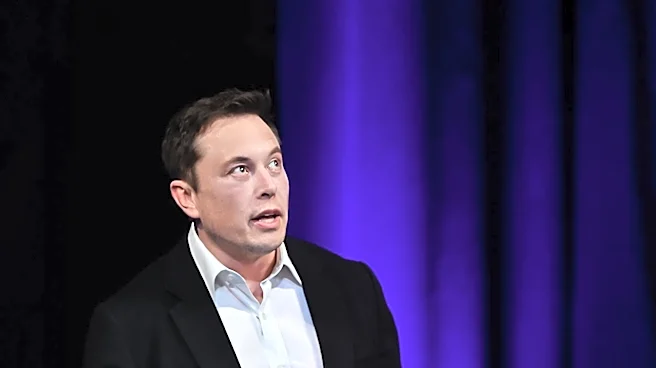
Elon Musk, CEO of SpaceX and Tesla, has warned that AI companies could face significant cash shortages next year. This is primarily due to delays in activating data centers, which are crucial for providing the computational power needed to scale AI operations.
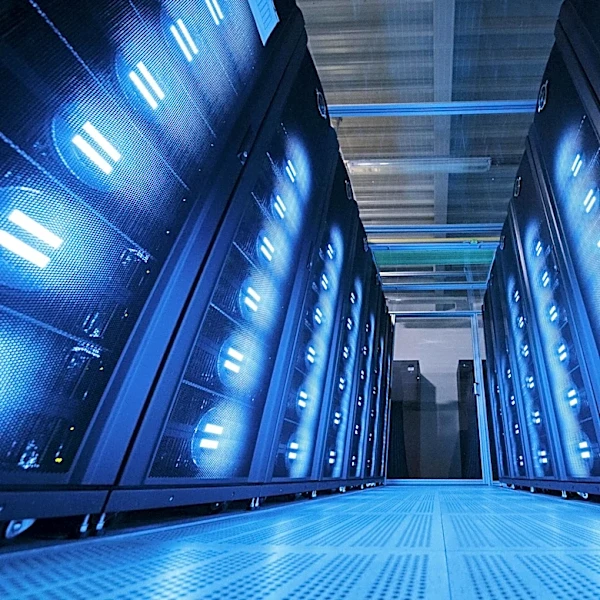
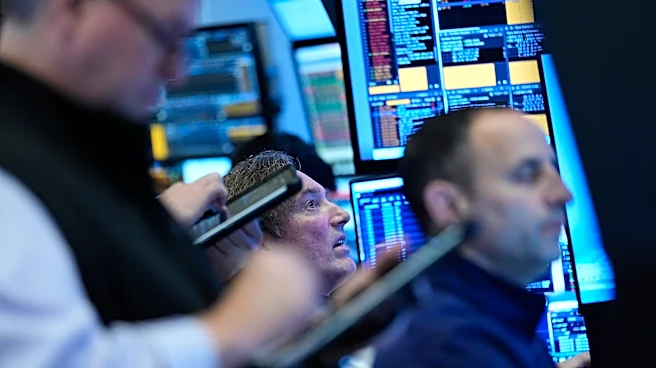
Musk stated that these delays would require 'hundreds of billions' in additional capital for AI companies. His comments came in response to an X post highlighting low stock valuations for semiconductor manufacturers relative to their expected profits, suggesting investor skepticism about sustained high profits in the AI chip sector. Data centers have encountered various setbacks, including community backlash, construction delays, and a 'blue midterm wave,' hindering their ability to come online and generate revenue. Without a robust network of data centers, AI companies struggle to meet investor demand and scale their services, while data center operators face revenue shortfalls on their multi-billion dollar investments. Tech stocks in US markets recently experienced a downturn, with the S&P 500 and Dow entering correction territory, leading some to speculate about an 'AI bubble' popping.
Why It's Important?
This warning from Elon Musk highlights a critical bottleneck in the rapidly expanding AI industry: the availability and cost of computational infrastructure. The potential cash crunch could significantly impact the growth trajectory of numerous AI companies, particularly those heavily reliant on external data center services. If companies are forced to spend 'hundreds of billions' more to secure compute resources, it could divert capital from research and development, slow innovation, and potentially lead to consolidation within the industry as smaller players struggle to compete. The issue also underscores the complex interplay between technological advancement, infrastructure development, and financial markets. The recent correction in tech stocks and the speculation about an 'AI bubble' popping suggest that investors are becoming more cautious about the long-term profitability and sustainability of AI ventures, especially if the underlying infrastructure cannot keep pace with demand. This situation could lead to a re-evaluation of investment strategies in the AI sector and a greater emphasis on efficient resource allocation and infrastructure planning.
What's Next?
The immediate future will likely see increased scrutiny on the progress of data center construction and activation. AI companies may need to re-evaluate their financial projections and capital expenditure plans, potentially seeking new funding rounds or exploring alternative compute solutions. The semiconductor industry, already facing investor skepticism, might experience further pressure if data center delays persist, impacting demand for their high-performance chips. Financial regulators, as seen with Taiwan's move to limit short selling, might intervene to stabilize markets if the perceived 'AI bubble' continues to deflate. Furthermore, the challenges in data center development could prompt a shift towards more localized or modular data center solutions, or increased investment in energy-efficient computing to mitigate some of the infrastructure hurdles. The long-term implications could include a more concentrated AI market, where only well-capitalized companies can afford the necessary compute resources, potentially stifling broader innovation.
Beyond the Headlines
The challenges outlined by Musk extend beyond mere financial and logistical hurdles; they touch upon the fundamental sustainability of the AI boom. The immense energy and land requirements for data centers are already generating backlash from communities, raising environmental and social governance (ESG) concerns. This could lead to stricter regulations and increased public opposition to data center projects, further exacerbating delays and costs. The reliance on a few key hardware providers and data center operators also raises questions about market concentration and potential monopolistic practices, which could impact fair competition and access to essential AI infrastructure. Moreover, the 'hundreds of billions' in capital needed points to a broader economic challenge: how to fund and scale foundational technologies without creating unsustainable bubbles or exacerbating existing resource constraints. This situation could force a re-evaluation of how AI development is financed and integrated into the broader economy, potentially leading to new models of public-private partnerships or government incentives for infrastructure development.