




What's Happening?
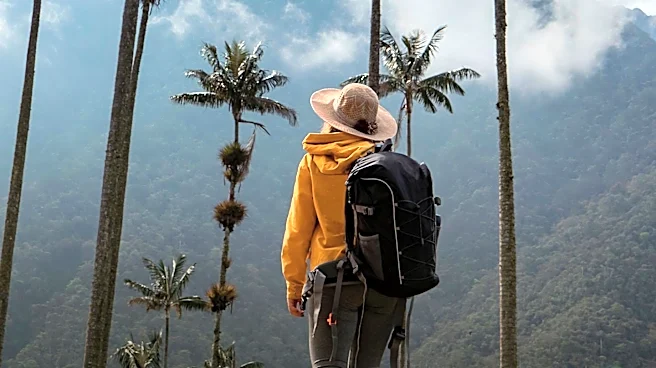
Solo travel, particularly in new countries, is described as a challenging yet highly rewarding experience that fosters personal growth and a deeper appreciation for shared travel. Many solo travelers, especially women, are increasingly embracing this
mode of exploration for the freedom it offers to tailor itineraries to individual interests and make new connections. While safety is a primary concern, research indicates that certain countries are generally safer for solo travelers. Recommended destinations for a first solo vacation include Lisbon, Copenhagen, Edinburgh, and Kyoto, primarily due to their walkability, cultural attractions, and ease of navigation. These locations allow travelers to explore at their own pace, whether spending an afternoon in a museum, taking long walks, or enjoying local cafes, without the need to coordinate with others. The rise in solo female travel highlights a growing trend of women seeking independence and unique experiences while exploring the world.
Why It's Important?
The increasing popularity of solo travel, particularly among women, signifies a notable shift in travel demographics and preferences within U.S. society. This trend impacts the travel and tourism industry, prompting destinations and service providers to cater more specifically to the needs of independent travelers, such as offering safer accommodations, accessible public transit, and solo-friendly activities. For individuals, solo travel can lead to significant personal development, including enhanced self-reliance, problem-solving skills, and a broader global perspective. The emphasis on safety in destination selection underscores a critical consumer demand that influences travel advisories and the marketing strategies of travel companies. The freedom and flexibility inherent in solo journeys also reflect a broader societal value placed on individualism and self-discovery, potentially influencing how future generations approach leisure and personal development.
What's Next?
As solo travel continues to gain traction, particularly among U.S. travelers, the travel industry is likely to further adapt its offerings. This could include the development of more specialized solo travel packages, tours designed for individual explorers, and enhanced safety features in accommodations and transportation. Destinations that are already recognized as safe and accessible for solo travelers, such as Lisbon, Copenhagen, Edinburgh, and Kyoto, may see increased tourism from this demographic. There will likely be a continued focus on providing resources and information to help solo travelers plan their trips, including detailed safety guides and recommendations for navigating foreign public transit systems. Additionally, the trend may encourage more individuals to consider solo adventures, leading to a greater demand for flexible and independent travel options.
Beyond the Headlines
The rise of solo travel extends beyond mere tourism, touching upon deeper societal and psychological implications. It challenges traditional notions of travel as a group activity and highlights a growing desire for self-discovery and personal empowerment. For many, especially women, solo travel represents an act of independence and a breaking of societal norms, fostering confidence and resilience. The experience of navigating unfamiliar environments alone can lead to profound self-reflection and a re-evaluation of personal capabilities. Furthermore, the emphasis on safety in solo travel discussions underscores ongoing concerns about personal security, particularly for women, and the importance of creating inclusive and safe environments globally. This trend also subtly influences cultural exchange, as solo travelers often engage more deeply with local communities and cultures, fostering a more authentic and personal understanding of the world.