




What's Happening?
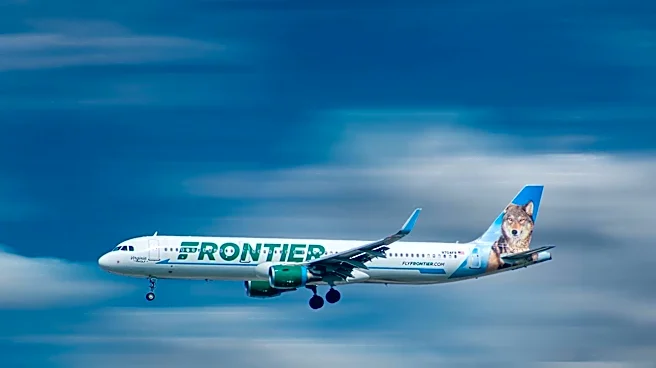
American Express Global Business Travel (Amex GBT) predicts a notable rise in economy airfares within North America for 2027, with increases projected between 3.4% and 4.3%. This forecast, detailed in Amex GBT’s Air Monitor 2027, indicates that North American domestic
routes will experience higher price hikes compared to international routes connecting North America with Europe, Asia, and South America. The report attributes these anticipated increases to persistent supply constraints, elevated jet fuel costs, and sustained demand for air travel across North America. Additionally, potential delays in aircraft deliveries could further limit capacity growth, contributing to upward pressure on fares. While global airfare increases are expected to be more moderate in 2027 following a year of double-digit rises, North America stands out with a more significant projected surge in economy travel costs. Sara Andell, Director, Consulting Strategy, Amex GBT, noted that fares remain elevated, impacting travel budgets, and highlighted the growing trend of airlines expanding ancillary and premium offerings, which means the ticket price alone does not reflect the total cost.
Why It's Important?
The projected increase in North American economy airfares by American Express Global Business Travel carries significant implications for U.S. businesses and consumers. For businesses, particularly those reliant on domestic travel, higher airfares will directly translate to increased operational costs, potentially impacting budgets and profitability. This could lead to a re-evaluation of travel policies, a reduction in business trips, or a shift towards alternative communication methods, affecting industries such as consulting, sales, and field services. Consumers will also face higher costs for personal travel, potentially dampening demand for domestic tourism and leisure activities. The underlying factors—supply constraints, high jet fuel costs, and resilient demand—point to broader economic challenges that could affect the airline industry's capacity to expand and innovate. The trend of airlines expanding ancillary services and premium offerings means that the total cost of travel will continue to rise beyond the base fare, requiring travelers to be more strategic in their booking decisions. This situation could disproportionately affect small and medium-sized businesses and individual travelers with tighter budgets, potentially widening the gap between affordable and premium travel options.
What's Next?
In response to the anticipated airfare increases, businesses and individual travelers are likely to adjust their strategies for 2027. Businesses may explore more proactive and strategic approaches to managing travel budgets, potentially leveraging data analytics and sourcing tools to gain greater visibility into total trip costs, as suggested by Sara Andell of Amex GBT. This could involve negotiating corporate rates more aggressively or exploring alternative travel arrangements. Airlines, facing continued demand and cost pressures, are expected to further expand their ancillary revenue streams and premium cabin offerings. This trend suggests that travelers will encounter more options for add-on services, such as baggage, seat selection, and lounge access, often at an additional cost, even in business class. The report also notes that carriers on transatlantic routes are planning to add capacity and introduce new routes, which could offer some relief on international fares, but domestic North American routes are still expected to see significant increases. The ongoing delays in aircraft deliveries will continue to be a critical factor influencing capacity and pricing in the coming year.
Beyond the Headlines
The forecast for rising airfares in North America extends beyond immediate financial impacts, hinting at deeper shifts in the travel industry and consumer behavior. The emphasis on ancillary and premium offerings by airlines suggests a continued move towards a more segmented market, where basic economy fares become increasingly bare-bones, while premium services command higher prices. This could exacerbate inequalities in travel access, making air travel less accessible for lower-income individuals and small businesses. Furthermore, the persistent supply constraints and elevated jet fuel costs highlight the vulnerability of the aviation sector to global economic and geopolitical factors, including energy market volatility and manufacturing bottlenecks. The resilience of demand, despite rising costs, indicates a strong underlying desire for travel, but it also raises questions about the sustainability of current pricing models. Over the long term, these trends could accelerate the adoption of virtual collaboration tools for business travel and encourage more localized tourism for leisure, potentially reshaping the travel landscape and its environmental footprint.