



What's Happening?
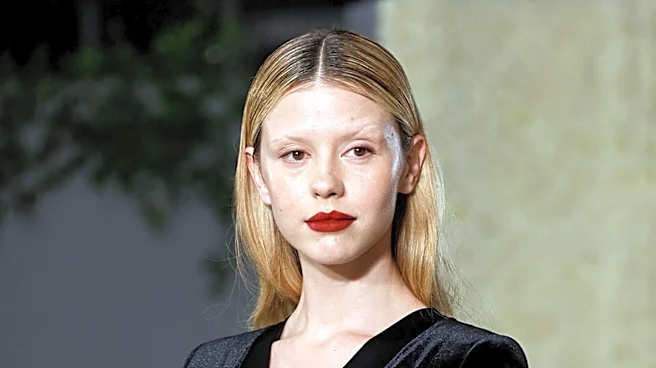
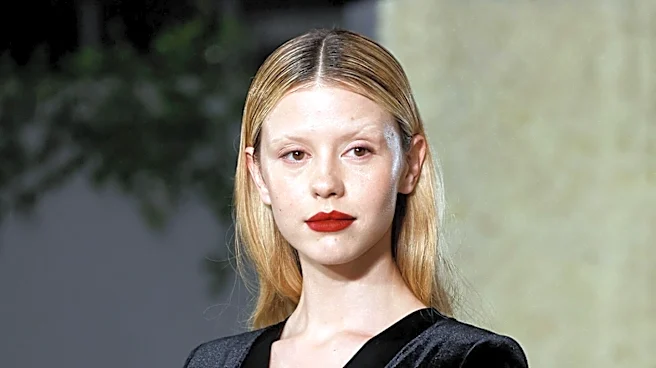
Actress Mia Goth's representative has voiced strong objections to the circulation of an AI-generated image of her on Instagram without proper disclosure. The image gained significant traction in October, leading her spokesperson to describe the platform's
allowance of its spread as 'incomprehensible.' This incident highlights a discrepancy in Meta's policy, which mandates labels for AI-generated videos depicting real people but does not extend the same requirement to still images. The lack of disclosure for AI-generated photos means they can be widely shared without any indication of their synthetic nature. The issue was further complicated by a fan account, bearing a blue verification badge, that disseminated the image, lending it false credibility. This situation underscores the challenges in regulating AI-generated content and ensuring transparency on social media platforms.
Why It's Important?
This incident is important as it exposes a significant loophole in current social media policies regarding AI-generated content, particularly concerning still images of public figures. The absence of mandatory disclosure for AI-generated photos can lead to the spread of misleading or fabricated content, potentially harming individuals' reputations and public perception. For public figures like Mia Goth, the unauthorized use and circulation of AI-generated images can infringe upon their personal and professional image rights. The 'context collapse' phenomenon, where content is reposted without its original context or AI tag, further exacerbates the problem, making it difficult for users to discern authenticity. This situation also raises questions about the responsibility of social media platforms to protect users, including celebrities, from deceptive AI content and the need for more robust policies to address the evolving landscape of synthetic media.
What's Next?
The incident involving Mia Goth's AI-generated image is likely to intensify discussions around the need for more comprehensive and consistent policies for AI-generated content on social media platforms. It may prompt Meta and other platforms to re-evaluate their current guidelines, potentially extending mandatory disclosure requirements to still images. This could lead to the implementation of more detailed provenance information, indicating the tool used to create the content, whether it has been edited, and if consent was obtained. Furthermore, the situation could spur greater advocacy from public figures and their representatives for stronger protections against unauthorized AI impersonation. The broader conversation will likely focus on enhancing digital literacy among users and developing clearer communication channels for reporting and removing misleading AI content.
Beyond the Headlines
Beyond the immediate concerns of image rights and platform policies, this development touches upon deeper ethical and cultural implications. The ease with which AI can generate convincing images of individuals, coupled with the lack of disclosure, blurs the lines between reality and fabrication, potentially eroding public trust in digital media. This 'liar's dividend' effect, where repeated exposure to convincing fabrications leads users to doubt even authentic content, poses a significant threat to informed public discourse. The incident also highlights the commercial exploitation potential of AI-generated content, especially when recognizable faces are used without consent. Addressing these issues will require a multi-faceted approach involving technological advancements in content authentication, stricter regulatory frameworks, and ongoing public education to navigate the complexities of an increasingly AI-driven digital world.