







What's Happening?
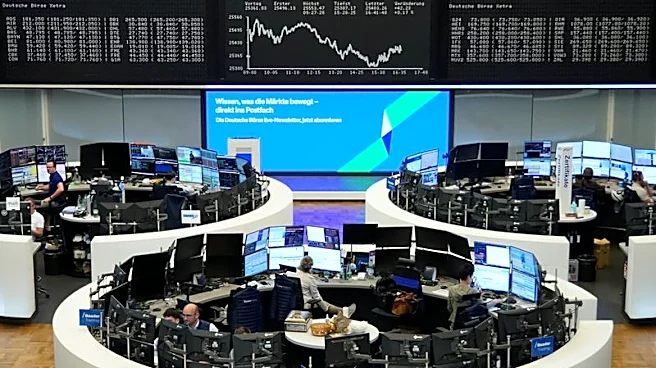
AstraZeneca's shares dropped by 7% following reports of potential merger discussions with Bristol Myers Squibb, a deal that could be valued at approximately $400 billion. This potential merger, if realized, would be one of the largest in the pharmaceutical
industry. However, neither AstraZeneca nor Bristol Myers Squibb has confirmed the talks, and analysts are questioning the strategic rationale behind such a move. AstraZeneca has been experiencing strong growth under CEO Pascal Soriot, with a robust drug pipeline, while Bristol Myers faces challenges with upcoming patent expirations.
Why It's Important?
The potential merger between AstraZeneca and Bristol Myers Squibb could significantly reshape the pharmaceutical landscape, creating a combined entity with substantial market influence. For AstraZeneca, the merger could provide financial benefits and increased cash flow for research and development. However, analysts are skeptical about the strategic fit, given AstraZeneca's current growth trajectory and Bristol Myers' looming patent challenges. The merger talks also highlight the ongoing consolidation trend in the pharmaceutical industry as companies seek to bolster their pipelines and market positions.
What's Next?
If the merger discussions progress, both companies will likely face scrutiny from regulators and stakeholders regarding the deal's implications for competition and innovation in the pharmaceutical sector. Investors and analysts will closely monitor any official announcements or developments, as well as the potential impact on stock prices and market dynamics. The outcome of these talks could influence future merger and acquisition strategies within the industry.