



What's Happening?
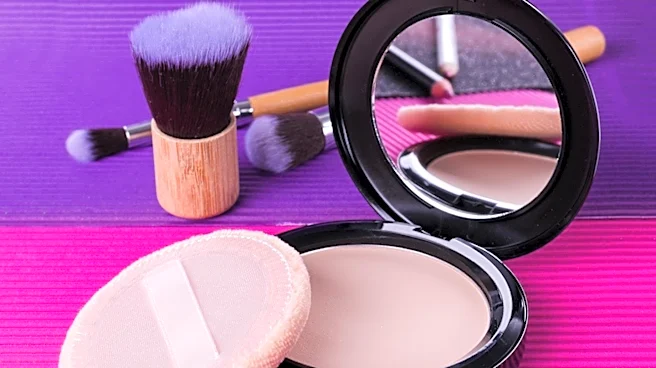
Compact mirrors equipped with UV technology are gaining traction as essential tools for daily skincare, particularly in ensuring effective sunscreen application. These mirrors utilize UV-A light to make sunscreen visible on the skin, appearing dark against
lighter, unprotected areas. This allows users to quickly identify missed spots, especially around common areas like nostrils, eyelids, hairline, jawline, and upper lip. Beyond sunscreen checks, these devices also reveal early pigmentation and uneven sun exposure that are not apparent under ordinary light. The integration of LED lighting with multiple tones (cool, warm, neutral) and magnification options further enhances their utility for makeup application and general skin monitoring. These mirrors are designed for portability, often including a power bank feature to charge smartphones, making them practical for on-the-go use during activities like school drop-offs, office hours, and outdoor workouts.
Why It's Important?
The rise of UV compact mirrors signifies a shift towards more informed and proactive skincare practices in the U.S. By providing immediate visual feedback on sunscreen coverage, these devices empower individuals to significantly improve their sun protection habits. This is crucial for reducing the risk of long-term sun damage, including premature aging and skin cancer. The ability to detect early pigmentation also encourages timely intervention and better-tailored skincare routines. For consumers, this technology offers a practical, at-home solution for skin monitoring, potentially reducing the need for frequent dermatologist visits for minor concerns. The multi-functional nature of these mirrors, combining UV detection with LED lighting, magnification, and portable charging, positions them as valuable tools that integrate seamlessly into daily routines, promoting consistent skin health awareness and protection.
What's Next?
The increasing awareness of sun safety and the demand for smart skincare tools suggest a continued growth in the adoption of UV compact mirrors. Manufacturers are likely to further innovate, potentially integrating more advanced skin analysis features, while maintaining portability and user-friendliness. The trend of content creators using these mirrors for educational purposes on platforms like Instagram and TikTok will likely drive further consumer interest and understanding. As more individuals prioritize proactive skin health, these devices could become a standard item in personal care, leading to a broader market for integrated skincare technology. The emphasis will remain on providing accessible, real-time information to help users make informed decisions about their skin's health and protection.
Beyond the Headlines
The widespread adoption of UV compact mirrors could have deeper implications for public health and consumer behavior. By demystifying sunscreen application and making sun damage more 'visible' in its early stages, these tools could foster a more proactive approach to skin health, potentially leading to a decrease in advanced skin conditions over time. This technology also highlights a broader trend in consumer products: the integration of advanced diagnostic or analytical capabilities into everyday items, empowering individuals with more data about their own bodies. Ethically, it raises questions about the balance between self-monitoring and professional medical advice, as these devices are not diagnostic tools. Culturally, it reinforces the growing emphasis on personal wellness and the use of technology to achieve health goals, transforming routine beauty practices into data-driven health management.