


What's Happening?
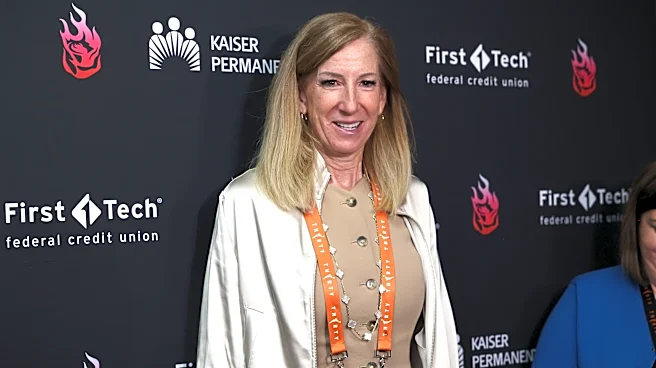
Cathy Engelbert, the WNBA Commissioner, has announced her retirement from the role, effective December 31. Engelbert, who was appointed as the league's first commissioner in 2019, will conclude a tenure marked by significant growth and notable controversies.
Her leadership saw the WNBA navigate the COVID-19 pandemic by creating the 'Wubble' in 2020, allowing for a shortened season. Under her guidance, the league experienced substantial increases in television audiences, attendance, sponsorship revenue, and merchandise sales. The WNBA also expanded from 12 to 18 teams by 2030, with new teams like the Golden State Valkyries, Portland Fire, and Toronto Tempo joining. Key achievements include a landmark $3.1 billion media rights deal and a new collective bargaining agreement (CBA) that raised the salary cap, increased player revenue share, and established a higher minimum salary. Despite these successes, Engelbert faced criticism from players regarding communication and her handling of certain issues.
Why It's Important?
Engelbert's retirement marks a pivotal moment for the WNBA, as her tenure significantly reshaped the league's financial and structural landscape. The $3.1 billion media rights deal, involving major partners like Amazon, Disney, and NBC, has dramatically increased the league's annual revenue, providing a more stable financial foundation for future growth. The new CBA, which substantially increased player salaries and revenue sharing, is crucial for attracting and retaining top talent, thereby enhancing the league's competitive quality and appeal. This financial and structural strengthening positions the WNBA for continued expansion and increased visibility in the broader sports market. However, the reported tensions with players over communication highlight the ongoing challenge of balancing rapid commercial growth with player welfare and engagement. The next commissioner will need to address these concerns to ensure sustained success and a harmonious relationship with the league's athletes, who are central to its cultural surge.
What's Next?
The WNBA will now begin the search for a new commissioner to lead the league into its next phase of development. The incoming commissioner will inherit a league with significant momentum, driven by increased media attention, a growing fan base, and improved financial stability. A key challenge for the new leader will be to build stronger relationships with players and address the communication issues that surfaced during Engelbert's tenure. This will likely involve implementing more effective communication strategies and fostering a greater sense of collaboration between the league office and the players' association. The continued expansion of the league, with new teams joining by 2030, will also require careful management to ensure competitive balance and sustainable growth. The new commissioner will also be tasked with leveraging the increased media rights to further enhance the WNBA's global presence and solidify its position as a leading women's sports league.
Beyond the Headlines
The departure of Cathy Engelbert underscores the complex dynamics of leadership in rapidly evolving sports leagues, particularly those experiencing significant cultural and commercial growth. While Engelbert's strategic vision led to unprecedented financial gains and expansion for the WNBA, the criticisms from players regarding communication and perceived lack of support highlight a deeper issue of stakeholder management. The disconnect between the commissioner's office and the athletes, despite the league's overall success, suggests that financial prosperity alone does not guarantee internal harmony. This situation prompts reflection on the evolving role of sports commissioners, who must not only drive business growth but also effectively represent and engage with the athletes who are the face of the league. The next commissioner will need to navigate these complexities, ensuring that the league's commercial success is mirrored by strong internal relationships and a supportive environment for its players, ultimately shaping the WNBA's long-term legacy and impact on women's sports.