








What's Happening?
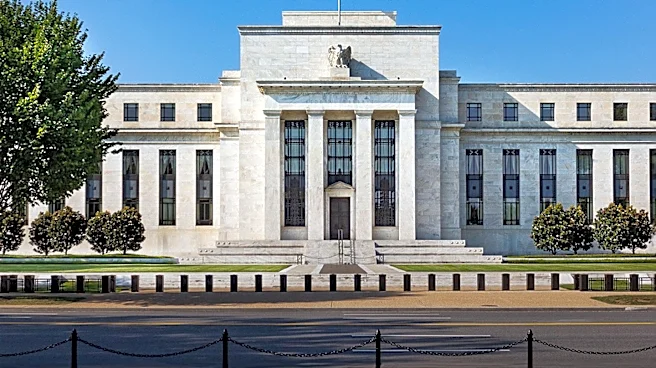
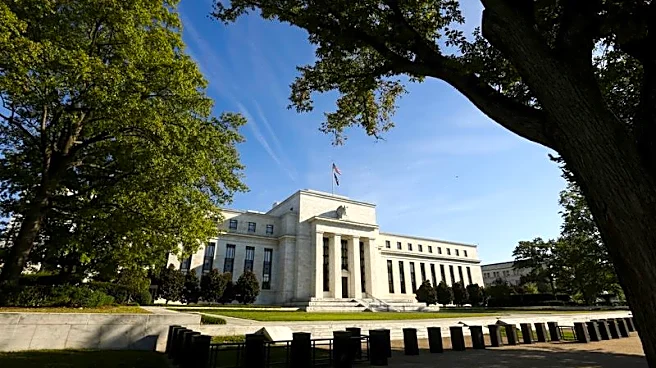
Wells Fargo has announced its intention to increase its dividend by 11% to 50 cents per share. This decision follows the Federal Reserve's annual stress test, which confirmed that major banks, including Wells Fargo, remain well-capitalized even under
severe economic scenarios. The stress test results indicated that all 32 large banks in the U.S. could withstand a hypothetical recession, with projected losses exceeding $708 billion across the industry. Despite the regulatory environment remaining unchanged, Wells Fargo, along with other major banks like JPMorgan Chase and Goldman Sachs, has opted to increase shareholder payouts, reflecting confidence in their financial stability and performance.
Why It's Important?
The decision by Wells Fargo to increase its dividend is significant as it signals the bank's strong financial health and its ability to return capital to shareholders. This move is part of a broader trend among major U.S. banks to enhance shareholder value following positive stress test results. The Federal Reserve's stress test serves as a critical measure of the banking sector's resilience, and the positive outcomes provide reassurance to investors and stakeholders about the stability of the financial system. The increase in dividends also reflects the banks' confidence in navigating potential economic challenges, which is crucial for maintaining investor trust and market stability.
What's Next?
As Wells Fargo and other banks proceed with their dividend increases, attention will likely shift to the upcoming Basel III Endgame proposal, which could introduce new regulatory requirements. Banks will need to adapt to any changes in capital requirements that may arise from this proposal. Additionally, the financial sector will continue to monitor economic indicators and potential policy shifts that could impact their operations and capital strategies. Stakeholders, including investors and regulators, will be keenly observing how these developments unfold and their implications for the banking industry.