





What's Happening?
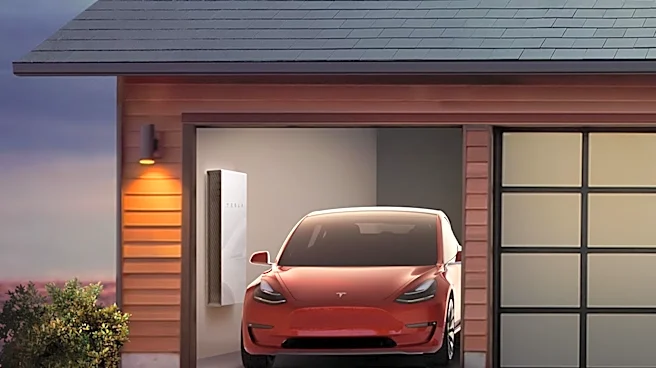
Base Power, a startup based in Austin, Texas, has launched a backyard battery backup system for ComEd customers in Illinois. This system is designed to help mitigate the impact of rising electricity costs and frequent power outages. The battery system charges
during off-peak hours when electricity is cheaper and discharges during peak demand, providing savings for customers and revenue for Base Power. The company, which has already seen success in Texas, offers a 40 kWh battery backup unit with no cost beyond a $95 installation fee for the first 2,000 customers. The system promises up to 36 hours of backup power during outages and a 25% reduction in monthly electricity supply costs. Base Power has been approved by the Illinois Commerce Commission as an Alternative Retail Electric Supplier, allowing it to provide electricity through utilities in the state.
Why It's Important?
The introduction of Base Power's battery backup system is significant as it addresses the dual challenges of rising electricity costs and power reliability. With electricity supply charges reaching record highs due to increased demand from data centers, solutions like Base Power's can offer financial relief to consumers. The system also enhances grid reliability by balancing demand and supply, which is crucial as extreme weather events become more frequent. This initiative aligns with Illinois' Clean and Reliable Grid Affordability Act, which encourages distributed energy storage and virtual power plants. By providing a cost-effective alternative to traditional generators, Base Power's system could set a precedent for energy solutions nationwide, potentially influencing energy policies and consumer choices.
What's Next?
Base Power plans to expand its operations in Illinois, targeting ComEd's 4.2 million customers. The company is setting up a warehouse in Bloomingdale and intends to hire hundreds of employees, including electricians and technicians. As the service expands, it will need to navigate municipal permitting requirements, which currently limit availability in some areas. The company aims to eventually offer its battery backup system nationwide, with the goal of becoming a major player in the U.S. energy market. Stakeholders, including consumer advocacy groups, will likely monitor the rollout to ensure the system delivers on its promises of cost savings and reliability.