









What's Happening?
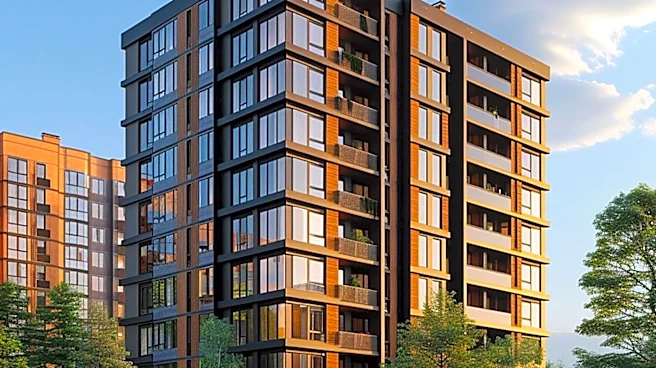
Developers have unveiled a $5 billion plan to complete Brooklyn's Pacific Park megadevelopment, formerly known as Atlantic Yards. The project, which has faced numerous delays and financial challenges, is set to enter its second phase with the construction
of seven new towers. These will include 5,600 housing units, with approximately 1,242 designated as affordable housing for low- and moderate-income households. The development, initially proposed in 2003, has been plagued by legal and financial setbacks, including a foreclosure auction and a change in developers. The new plan aims to address these issues and fulfill the project's original vision.
Why It's Important?
The completion of the Pacific Park megadevelopment is significant for Brooklyn's urban landscape and housing market. The project promises to deliver much-needed affordable housing, addressing a critical demand in the city. Additionally, the development is expected to stimulate economic growth by creating jobs and attracting new residents. The project's success could serve as a model for other large-scale urban developments facing similar challenges. However, the plan has faced criticism from local officials and community groups, who argue that it does not adequately address the need for low-income housing.
What's Next?
The Pacific Park project will undergo an environmental review, with construction potentially starting as early as 2028. Developers will need to navigate public approval processes and address community concerns to move forward. The project's progress will be closely watched by stakeholders, including local government officials, community groups, and potential residents. The outcome of this development could influence future urban planning and housing policies in New York City.
Beyond the Headlines
The Pacific Park development highlights broader issues in urban development, such as the balance between economic growth and community needs. The project's reliance on public subsidies and the use of eminent domain have raised ethical and legal questions. Additionally, the development's impact on local demographics and gentrification will be important considerations for policymakers and community advocates.