





What's Happening?
Ancestry, a leading genealogy company, is utilizing large language models (LLMs) and AI technologies to accelerate the digitization of historical records and enhance user tools. The company has integrated AI to process birth records and other data, significantly
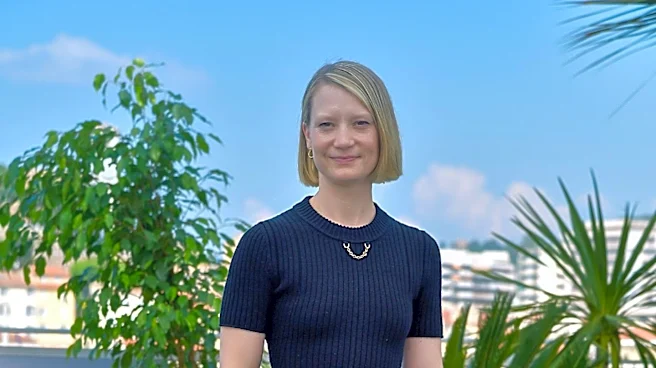
increasing the speed and accuracy of record extraction. Ancestry's AI initiatives, led by Chief Technology Officer Sriram Thiagarajan, include AI-powered facial and handwriting recognition technologies. These advancements have enabled Ancestry to triple its content growth rate, with over 50% of its historical records now generated using AI. The company has also introduced user-facing features like Face Match, an AI-powered facial recognition tool, and AI Stories, which provides narrated audio stories of ancestors' lives.
Why It's Important?
Ancestry's use of AI represents a significant advancement in the field of genealogy, making it easier for users to access and understand their family histories. The integration of AI technologies not only enhances the user experience but also streamlines the digitization process, allowing Ancestry to expand its database rapidly. This development highlights the transformative potential of AI in various industries, including genealogy, where it can improve data accuracy and accessibility. As AI continues to evolve, it is likely to play an increasingly important role in preserving and sharing historical records.
What's Next?
Ancestry plans to continue expanding its AI capabilities, potentially introducing new features and tools to further enhance the user experience. The company may also explore additional applications of AI in genealogy, such as language translation and more advanced data analysis. As AI technology advances, Ancestry will need to ensure that its models remain accurate and reliable, requiring ongoing investment in AI research and development. The success of Ancestry's AI initiatives may inspire other companies in the genealogy and historical research sectors to adopt similar technologies.