



What's Happening?
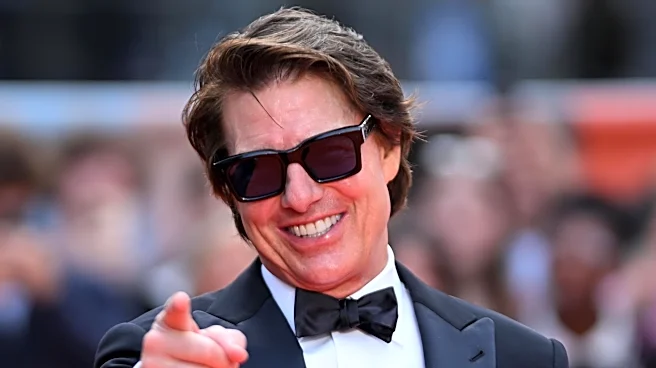
During a BAFTA Life in Pictures talk in London, actor Tom Cruise addressed the growing presence of Artificial Intelligence (AI) in Hollywood, stating that it is "coming and it's going to happen." While acknowledging the inevitability of AI's integration
into filmmaking, Cruise emphasized the enduring importance of "real things" and human performance. He urged filmmakers to continue creating authentic content and expressed his belief in humanity. As evidence of audience preference for human-centric experiences, he cited a record summer box office, which generated approximately $4.76 billion from May through Labor Day. Cruise, known for performing practical stunts in his films, suggested that a digitally generated face cannot replicate the same product or impact as a live human performance, such as an actor hanging off an airplane. His comments come amidst a divided Hollywood, where studios are exploring AI tools while unions are actively seeking to establish boundaries for their use.
Why It's Important?
Tom Cruise's remarks are significant because they articulate a prominent concern within the entertainment industry regarding the balance between technological advancement and artistic integrity. As AI tools become more sophisticated, the debate over their role in creative processes, particularly in generating visual content and potentially replacing human actors, intensifies. Cruise's emphasis on 'real things' and human performance highlights a potential cultural and economic fault line: whether audiences will continue to value authentic human artistry over AI-generated content. The record summer box office, which he cited, suggests that there is still a strong demand for traditional cinematic experiences featuring human talent. This perspective could influence how studios invest in AI technologies versus human talent, and how unions negotiate protections for actors and crew members. The outcome of this debate will shape the future of filmmaking, potentially impacting employment, creative control, and the very definition of entertainment in the digital age.
What's Next?
The discussion initiated by Tom Cruise is likely to fuel ongoing conversations within Hollywood about the ethical and practical implications of AI. Filmmakers, studios, and unions will continue to grapple with how to integrate AI tools while preserving the value of human creativity and performance. This could lead to further negotiations between unions and studios to establish guidelines and protections for human talent in the face of advancing AI capabilities. The industry may see a continued push for 'practical' effects and human-led performances as a differentiator, potentially influencing production budgets and creative choices. The success of films that prioritize human elements could serve as a benchmark for the industry's direction. Conversely, the development of more advanced AI could challenge these notions, forcing a re-evaluation of what constitutes 'real' in entertainment. The coming years will likely feature a dynamic interplay between technological innovation and artistic resistance, shaping the landscape of cinema and television.
Beyond the Headlines
Beyond the immediate concerns of Hollywood, Tom Cruise's comments tap into a broader societal anxiety about the role of AI in human endeavors and the future of work. His assertion that 'people want to see real things' reflects a fundamental human desire for authenticity and connection, which AI, despite its capabilities, may struggle to replicate. This raises philosophical questions about the intrinsic value of human effort and creativity in an increasingly automated world. The debate in Hollywood could serve as a microcosm for other industries facing similar disruptions, prompting a re-evaluation of human skills and the unique contributions that only humans can provide. Furthermore, the ethical considerations surrounding AI-generated content, such as deepfakes and synthetic media, extend beyond entertainment to issues of truth, trust, and identity in the digital age. Cruise's stance, while focused on film, contributes to a larger dialogue about how humanity will define itself and its creations in an era of advanced artificial intelligence.