






What's Happening?
American Airlines is set to reopen its Flagship Dining facility within the Flagship Lounge at Los Angeles International Airport (LAX) next week, after being closed since March 2020 due to the Covid-19 pandemic. This reopening comes with a significant
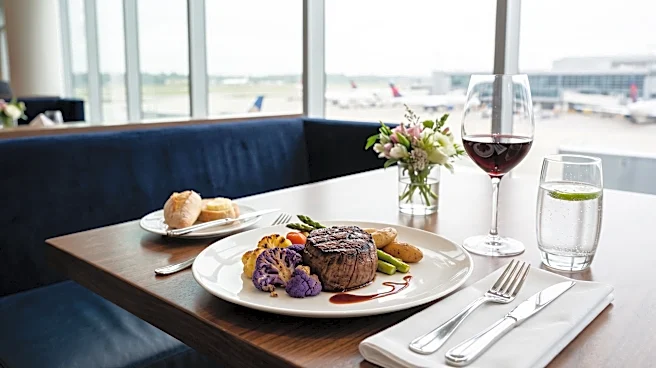
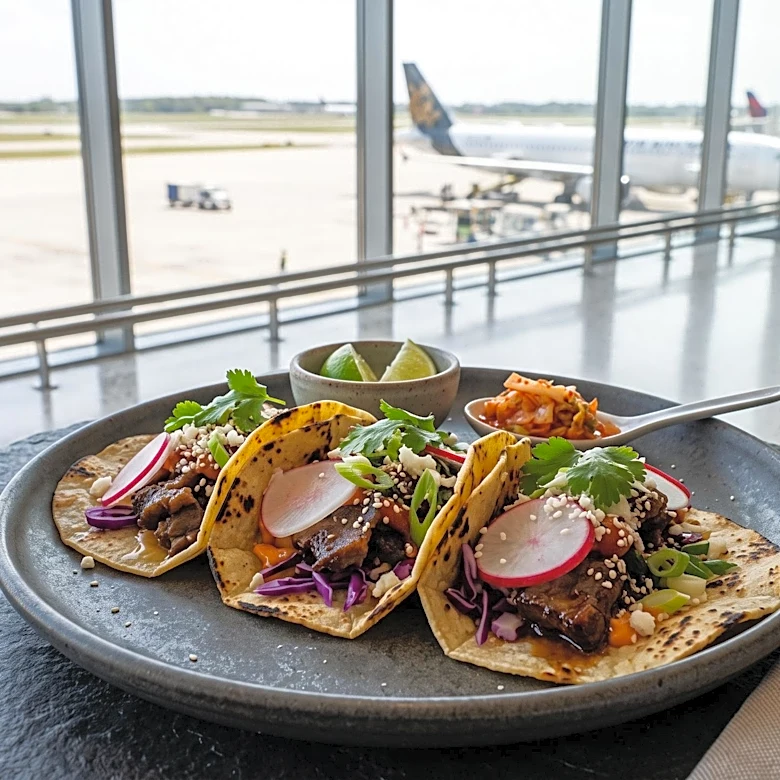
change: access will no longer be exclusively for first-class ticket holders. Instead, eligibility has been expanded to include qualifying passengers traveling in Flagship Business and Flagship Business Plus on long-haul international routes, certain premium transcontinental routes, and designated Flagship Hawaii itineraries. The dining room, which has 59 seats, features tables, booths, and a cocktail bar, offering a refreshed four-course menu with seasonal dishes and regional ingredients. Options include roasted purple cauliflower steak, Texas pear and burrata salad, mesquite-grilled beef filet, the Flagship burger, and churro bread pudding, alongside a wine-and-chocolate pairing. AAdvantage Executive Platinum members can also redeem 20,000 miles for a pass, and Platinum Pro members can redeem 25,000 miles, which includes immediate family or up to two guests.
Why It's Important?
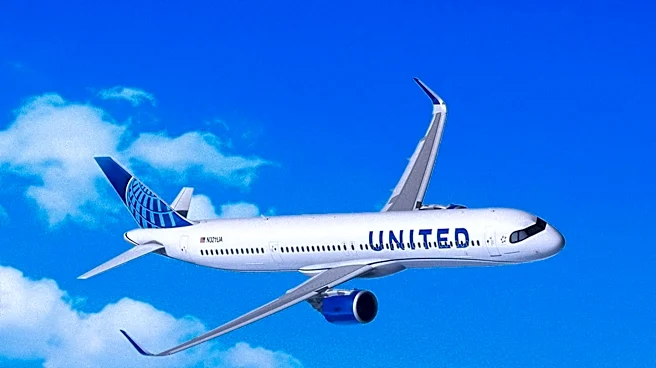
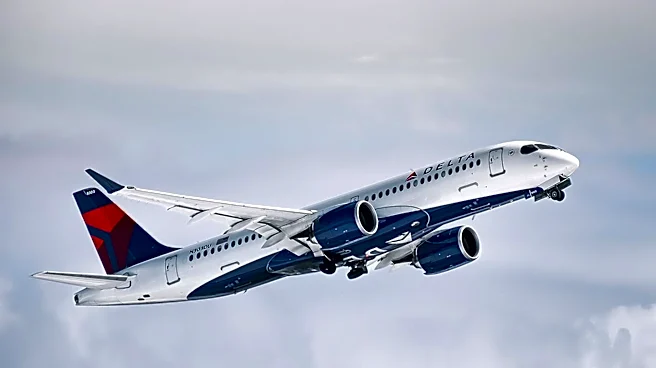
The reopening of American Airlines' Flagship Dining at LAX with expanded access signifies a strategic move to enhance the premium customer experience and compete more effectively with rivals like Delta Air Lines and United Airlines. By broadening eligibility beyond traditional first-class passengers to include Flagship Business and Business Plus travelers, American Airlines aims to attract and retain high-value customers who seek elevated amenities. This initiative reflects a broader industry trend where airlines are investing in premium services to differentiate themselves and build customer loyalty. The inclusion of AAdvantage Executive Platinum and Platinum Pro members through mileage redemption further incentivizes loyalty among frequent flyers. This investment in customer experience, particularly in key markets like Los Angeles, is crucial for American Airlines to regain market share and improve its brand perception, especially after years of criticism regarding its cabin product and service offerings. The move also highlights the airline's commitment to elevating its overall customer journey, as stated by Rhonda Crawford, American's senior vice president of customer experience and design.
What's Next?
The reopening of Flagship Dining at LAX is part of American Airlines' broader 'premium pivot' strategy, which has seen significant changes over the past 21 months, including improved lounges, new business class suites, and enhanced coach experiences. The airline plans to continue these improvements, with domestic seatback screens arriving on new aircraft by 2028 and a broader fleet project extending into the next decade. American Airlines is also installing Starlink internet services, with installations beginning early next year. The success of these initiatives will depend on how quickly customers experience and appreciate the improvements, especially as the airline faces substantial debt and rising fuel costs. The company needs to demonstrate tangible results to investors before they lose patience. The expansion of premium offerings and the focus on customer experience are critical steps in American Airlines' efforts to win back passengers from competitors and solidify its position in the competitive U.S. airline market.
Beyond the Headlines
The strategic shift by American Airlines to enhance its premium offerings and expand access to exclusive amenities like Flagship Dining reflects a deeper understanding of modern airline competition. Historically, airlines like Delta have leveraged superior product and service to build strong customer loyalty and command higher spending. American's previous approach, which prioritized cost-cutting over product investment, led to a decline in customer satisfaction and market positioning. This 'premium pivot' is an acknowledgment that a competitive product, coupled with a strong customer experience, is essential for long-term success, even if it requires significant upfront investment. The challenge for American Airlines will be to sustain these improvements and effectively communicate their value to a customer base that may have become accustomed to better offerings from competitors. The move also underscores the increasing importance of loyalty programs and elite status in driving passenger choices, as evidenced by the mileage redemption options for Flagship Dining access. This strategic evolution could reshape competitive dynamics within the U.S. airline industry, pushing other carriers to further innovate their premium services.