





What's Happening?
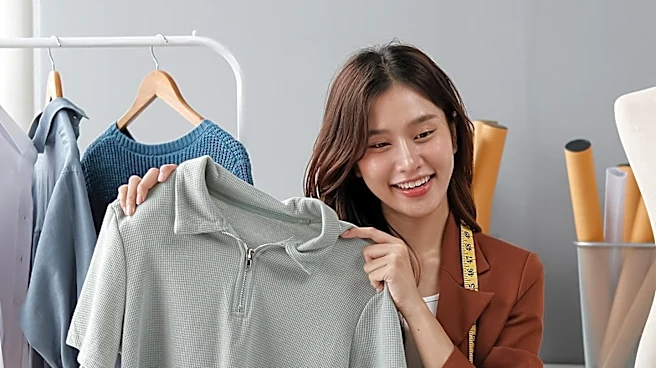
Artificial intelligence is increasingly being integrated into the fashion design process, offering designers and enthusiasts advanced tools to streamline creation and visualization. Applications like "Fashion Design Clothes: Sketch" on Google Play are
leveraging AI to transform preliminary sketches into polished, high-end illustrations. These tools also provide virtual try-on capabilities, allowing users to see how their clothing designs would appear in real-world settings by combining sketches with actual photos. This technological advancement is gaining traction among various groups, including fashion enthusiasts, designers, marketers, and social media users, who are utilizing AI for editing outfits and generating fashion imagery. The core functionality of these AI clothing editors involves modifying or creating fashion-focused visuals, enabling changes to colors, patterns, styles, and accessories, or generating concepts from text prompts. Advanced systems can even adapt to a subject's pose and surroundings to ensure a consistent and realistic outcome.
Why It's Important?
The integration of AI into fashion design signifies a significant shift in how clothing concepts are developed and presented. For the U.S. fashion industry, this technology can lead to faster design cycles, reduced prototyping costs, and enhanced creative exploration. Designers can rapidly iterate on ideas, visualize multiple styles, and test various color combinations or seasonal outfits before committing to physical production, thereby optimizing resource allocation and minimizing waste. This efficiency can give U.S. fashion brands a competitive edge in a fast-paced global market. Furthermore, the accessibility of these tools empowers a broader range of creators, from independent designers to large corporations, to experiment with digital fashion and personalized characters. The ability to generate realistic visuals without expensive photoshoots also benefits marketers and content creators, allowing them to produce diverse and engaging content more quickly and affordably, ultimately influencing consumer trends and purchasing decisions.
What's Next?
The continued evolution of AI in fashion is expected to bring more sophisticated features and broader adoption. Future developments may include more intuitive interfaces, enhanced realism in virtual try-ons, and deeper integration with manufacturing processes. We can anticipate AI tools becoming standard in fashion education and professional design studios, fostering a new generation of designers proficient in digital creation. The competitive landscape among AI tool developers will likely intensify, leading to more specialized applications catering to niche aspects of fashion design, such as sustainable fashion or adaptive clothing. Additionally, as AI becomes more adept at understanding complex design principles, it could lead to the co-creation of designs between human designers and AI, pushing the boundaries of creativity and innovation in the industry. The ethical considerations surrounding AI-generated content, including intellectual property and authenticity, will also likely become a more prominent discussion point.
Beyond the Headlines
Beyond the immediate practical benefits, AI in fashion design raises deeper implications for creativity, labor, and consumer experience. The ability of AI to generate designs and modify images could challenge traditional notions of authorship and artistic originality. While AI can augment human creativity, there's a potential for over-reliance on algorithms, which might lead to homogenization of styles or a reduction in truly novel designs. On the labor front, while AI tools can enhance productivity for designers, they may also alter job roles within the fashion industry, requiring new skill sets focused on AI interaction and oversight. For consumers, virtual try-on experiences could become a standard part of online shopping, reducing returns and improving satisfaction, but also raising questions about data privacy and the authenticity of digital representations versus physical garments. The long-term cultural impact could see fashion becoming even more personalized and dynamic, with AI enabling on-demand customization and hyper-individualized styles.