





What's Happening?
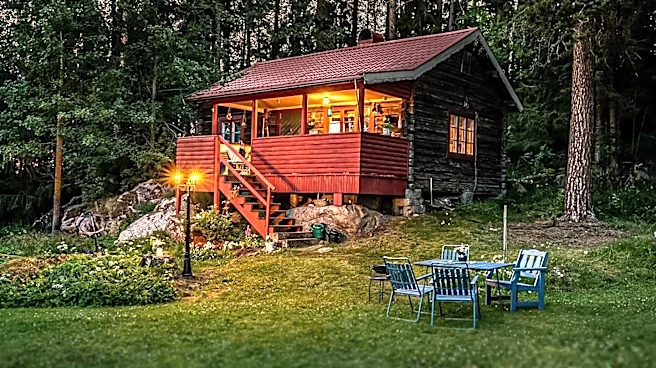
Wellness cabins in Broken Bow and Hochatown, Oklahoma, are promoting a 'slower pace' of living through their amenities and natural surroundings. These cabins are designed to help individuals find moments of relaxation and well-being. Guests can experience
slow mornings with matcha on the deck, engage in yoga amidst towering pines, and spend afternoons enjoying mountain views or relaxing by peaceful ponds. The offerings include restorative rituals such as sauna sessions, hot tub soaks, meditation, and opportunities to read. These cabins cater to various needs, whether it's a wellness weekend with friends, a desire to reconnect with nature, or a personal retreat. The focus is on providing an environment that encourages slowing down and feeling one's best, emphasizing peaceful surroundings and opportunities for relaxation.
Why It's Important?
This trend of offering 'slow living' experiences in wellness cabins reflects a growing demand for escapes from fast-paced modern life. For the U.S. tourism and hospitality industry, particularly in regions known for natural beauty like Oklahoma, this signifies a lucrative niche. It caters to consumers increasingly prioritizing mental health, stress reduction, and mindful living. Businesses that can effectively market and deliver such experiences stand to gain a competitive advantage. The emphasis on wellness amenities like saunas, hot tubs, and natural settings also drives demand for related industries, including local food and beverage suppliers, wellness product manufacturers, and outdoor activity providers. This shift in consumer preference could lead to increased investment in eco-tourism and wellness-focused developments, potentially boosting local economies and creating jobs in these areas. It also highlights a broader societal movement towards valuing experiences that promote well-being over material consumption.
What's Next?
The success of these wellness cabins in Broken Bow, OK, could inspire similar developments in other scenic U.S. locations. We may see an expansion of 'slow living' retreats, with more businesses incorporating elements like meditation spaces, organic food options, and guided nature experiences. The hospitality sector might further diversify its offerings to include specialized wellness packages, potentially partnering with local health and fitness professionals. There could also be an increased focus on sustainable tourism practices as these destinations aim to preserve the natural environments that attract guests seeking tranquility. Consumers can expect more options for short-term and long-term stays that prioritize relaxation and mental rejuvenation, moving beyond traditional vacation models to embrace a more holistic approach to travel and leisure.
Beyond the Headlines
The rise of 'slow living' cabins points to a deeper cultural shift in the U.S., where individuals are increasingly seeking intentionality and balance in their lives. This movement challenges the prevailing culture of constant productivity and digital connectivity, advocating for a return to simpler, more present-focused existence. Ethically, it raises questions about accessibility, as such retreats can often be premium experiences, potentially excluding those who could benefit most from stress reduction. Environmentally, the development of these cabins, while promoting nature, must carefully consider its footprint to ensure it doesn't inadvertently harm the very ecosystems it celebrates. Culturally, it signifies a re-evaluation of what constitutes 'success' and 'happiness,' moving away from purely material metrics towards a greater appreciation for personal well-being and connection with nature. This trend could influence urban planning, workplace policies, and even educational approaches, as society grapples with the long-term effects of a high-stress, fast-paced lifestyle.