



What's Happening?
One of Germany's largest integrated steel plants in Duisburg, operated by Hüttenwerke Krupp Mannesmann (HKM), has permanently shut down its blast furnace A after 53 years of operation. This move signifies a major shift towards more sustainable production
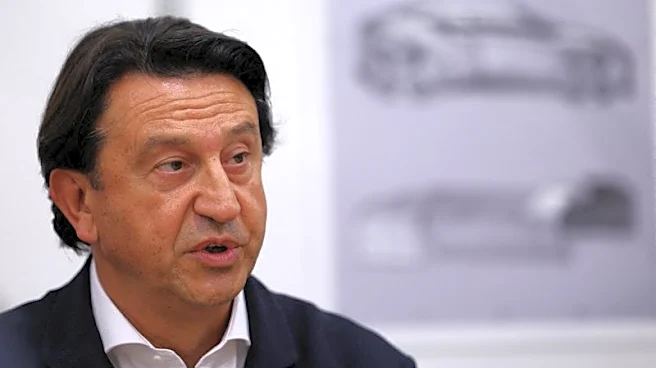
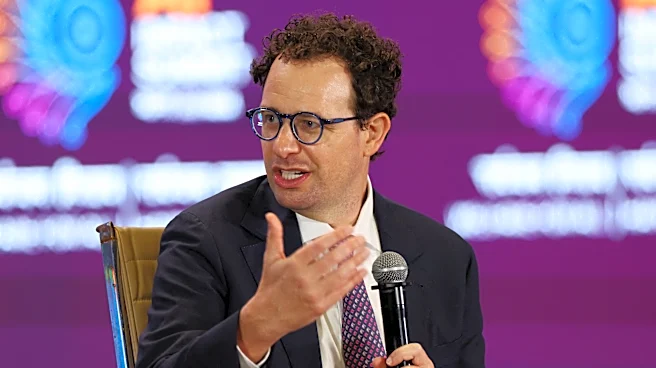
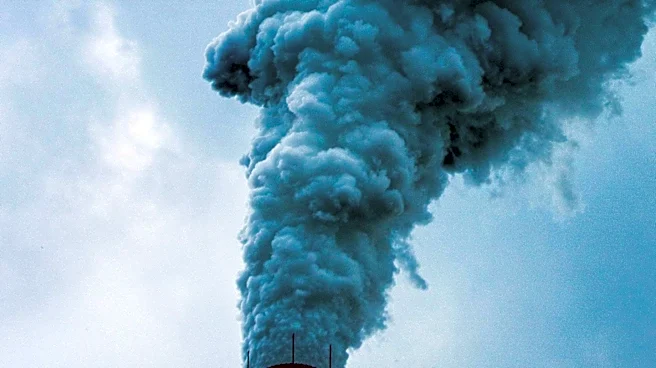
methods within the steel industry. The final tapping of blast furnace A occurred over the weekend, marking an emotional moment for long-time employees like Sener Duzcu, a master smelter with 31 years of experience at the plant. The transition is driven by mounting pressure from weak economic conditions, intense competition from China leading to oversupply and plummeting steel prices, and the high carbon footprint associated with traditional blast furnace operations. Germany's steel industry is under increasing pressure to meet stringent environmental standards and reduce CO2 emissions, making traditional methods economically unviable. Andreas Betzler, the newly appointed managing director of HKM, emphasized that this change is a critical 'transformation path' for the plant, aiming for smaller-scale, more CO2-efficient steel production.
Why It's Important?
This shutdown is important as it reflects a broader trend within the global steel industry, particularly in developed nations, to move away from carbon-intensive production methods. The shift towards cleaner technologies, such as electric arc furnaces that melt scrap and direct reduced iron (DRI) technology, will have significant implications for energy consumption, environmental impact, and the overall economic viability of steel production. While the immediate impact is on the German steel industry, the challenges faced by HKM—economic pressures, competition, and environmental regulations—are universal. This transition could set a precedent for other steel manufacturers globally, including those in the U.S., to accelerate their adoption of sustainable practices. Companies that fail to adapt risk becoming uncompetitive due to rising carbon costs and consumer demand for greener products. The move also highlights the human element of industrial transformation, as long-serving employees witness the end of an era, necessitating workforce retraining and community support in regions historically reliant on traditional heavy industries.
What's Next?
HKM plans to transition its operations towards cleaner technologies, initially utilizing natural gas for methods like direct reduced iron (DRI) and eventually moving to hydrogen use. This phased approach indicates a long-term commitment to sustainable steel production. The company's decision to permanently close the blast furnace, rather than temporarily, underscores the extensive and irreversible nature of this industrial transformation. Other steel production facilities in Germany and across Europe are expected to undergo similar changes, driven by regulatory pressures and market demands for reduced emissions. This will likely lead to increased investment in research and development for green steel technologies and a restructuring of the workforce to accommodate new skill sets. The success of HKM's transition could serve as a blueprint for other steel manufacturers globally, influencing policy decisions and investment strategies in the sector. The industry will also need to address the emotional and economic impact on workers and communities as these traditional industrial processes are phased out.
Beyond the Headlines
The closure of HKM's blast furnace A extends beyond a mere operational change; it symbolizes a fundamental re-evaluation of industrial practices in the face of climate change and economic shifts. The 'Iron Man' statue at the plant's administration, once a symbol of industrial might, now represents the broader challenges confronting the steel industry. This transformation highlights the ethical imperative for industries to balance economic viability with environmental responsibility. The move towards hydrogen-based steel production, while promising, also raises questions about the scalability and cost-effectiveness of such technologies, as well as the infrastructure required to support a hydrogen economy. Furthermore, the shift could lead to a redefinition of what constitutes 'heavy industry,' moving towards a more technologically advanced and environmentally conscious model. The emotional attachment of workers to traditional methods, as exemplified by Sener Duzcu, underscores the cultural impact of industrial evolution and the need for comprehensive support systems during such transitions.