





What's Happening?
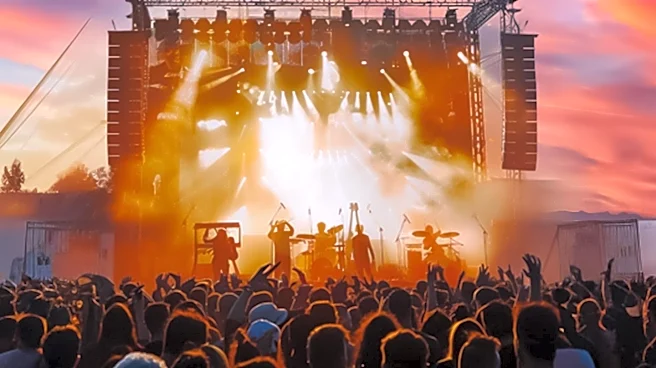
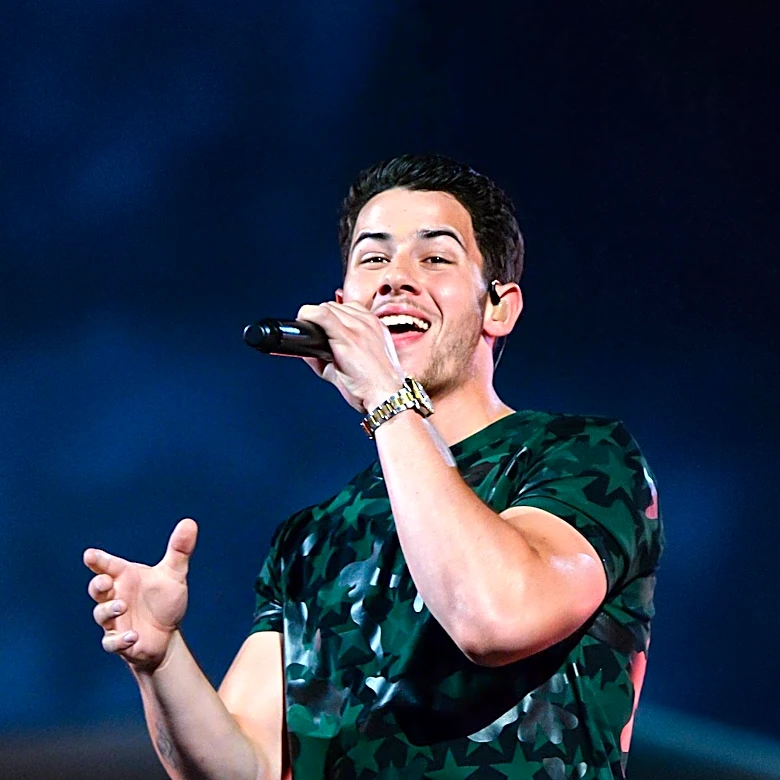
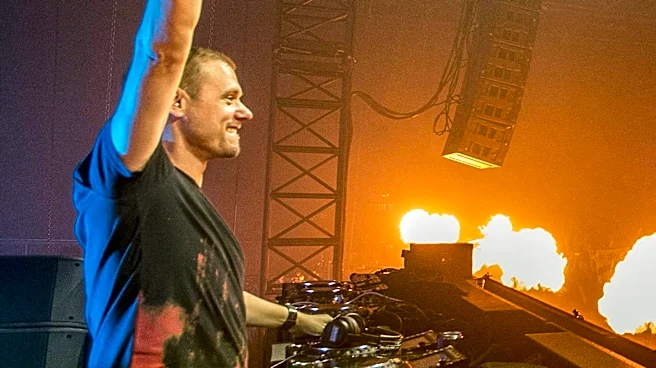
Live music festivals are increasingly utilizing short-form video content, typically 15-to-30-second clips, to capture and disseminate the energy of their events across social media platforms. This strategy aims to engage global audiences by showcasing
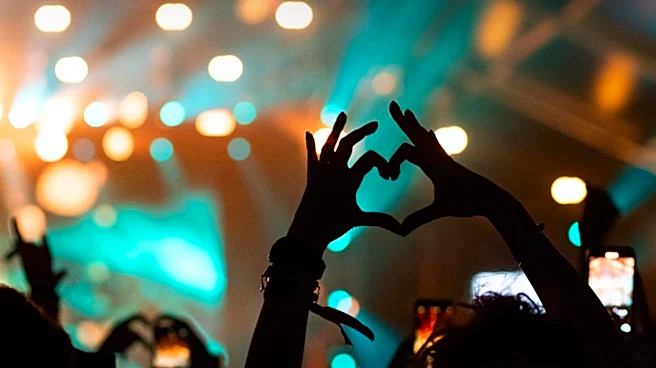
high-energy mainstage performances, behind-the-scenes artist interactions, and crowd reactions. Content creators are focusing on techniques such as immediate 'drop hooks' with explosive visual and sound effects, alternating between artist shots and crowd reaction POVs, and using text overlays for track identification. The goal is to create viral content that stands out in crowded feeds, driving viewer retention through quick, impactful visuals and sounds. Technical production standards are also evolving, with an emphasis on optimizing camera settings for low-light conditions, using high frame rates for slow-motion effects, and layering external audio for clear sound quality, despite the challenges posed by loud bass and rapid stage lighting.
Why It's Important?
This shift in content strategy is crucial for the music industry, particularly for electronic music festivals, as it directly impacts audience engagement and brand promotion. By mastering short-form video, festivals can extend their reach beyond physical attendees, creating a sense of 'fear of missing out' (FOMO) among potential future attendees and fostering a loyal international following. This approach allows touring DJs, festival organizers, and music journalists to transform large-scale events into interactive entertainment platforms. The ability to quickly disseminate high-quality, engaging clips helps build immediate authority on competitive discovery feeds, providing social proof and cutting through the digital clutter. For artists and promoters, effective social media presence translates into increased visibility, fan base growth, and ultimately, greater commercial success in a rapidly evolving digital landscape.
What's Next?
The trend of integrating short-form video with in-depth music journalism is expected to continue, bridging the gap between instant gratification and comprehensive information. Festivals will likely further refine their content creation strategies, focusing on optimizing video for platform algorithms and viewer retention metrics like watch time and completion rates. There will be an ongoing emphasis on technical advancements in videography, including better low-light performance and audio stabilization, to ensure high-quality output. Additionally, the industry will likely explore more sophisticated ways to connect these viral clips with longer-form content, such as artist interviews and detailed concert reviews, to provide a more holistic experience for dedicated fans. This integrated approach aims to satisfy both casual viewers seeking quick entertainment and ardent enthusiasts desiring deeper insights into the music scene.
Beyond the Headlines
The reliance on short-form video for promoting live music festivals highlights a broader cultural shift towards bite-sized, immediate content consumption. This trend raises questions about the long-term impact on how audiences experience and value live music. While it democratizes access to festival experiences globally, it also risks reducing complex artistic performances to a series of highlight reels, potentially diminishing the appreciation for the full, immersive event. The ethical implications of content creation, such as ensuring authentic representation of crowd reactions and artist performances, will become increasingly important. Furthermore, the strategic use of social media algorithms by festivals and artists could influence musical trends and audience preferences, shaping the future direction of the electronic music genre and live entertainment as a whole. This evolution underscores the growing intersection of technology, marketing, and artistic expression in the digital age.