






What's Happening?
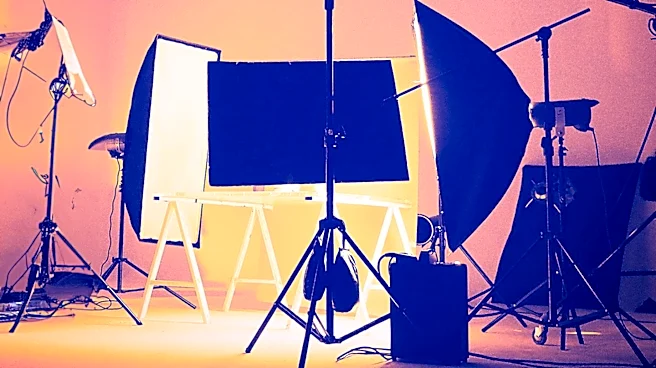
West Hollywood city officials are actively seeking solutions to retain film and television studios within the city limits, following the announcement that Quixote Studios is winding down its soundstage operations on Fuller Avenue. This initiative began
last October when the city staff was tasked with developing strategies to prevent studios from leaving. The city is now engaging with studio owners, employees, and local residents to gather input on what measures would best support the continued operation of these spaces. West Hollywood has a long history with the film industry, hosting iconic locations such as The Lot (formerly Pickford-Fairbanks Studios) and Westlake Recording Studios, where Michael Jackson recorded 'Bad.' The concern is that without intervention, more studio spaces could be redeveloped for other uses, diminishing the city's historical connection to entertainment production.
Why It's Important?
The potential loss of film and television studios in West Hollywood carries significant implications for the local economy and cultural identity. Studios provide numerous jobs, from production crews to administrative staff, and their presence supports a network of ancillary businesses. The departure of facilities like Quixote Studios could lead to job losses and a decrease in local economic activity. Furthermore, West Hollywood prides itself on its rich entertainment history, and the erosion of its studio infrastructure could diminish this unique cultural heritage. The city's efforts to retain these studios reflect a broader concern about preserving the creative industries that have long defined the region, impacting not only direct industry workers but also the broader community that benefits from the economic and cultural vibrancy studios bring.
What's Next?
The West Hollywood City Council is directing staff to draft an ordinance aimed at preserving studio spaces, which will involve further discussions with stakeholders. Helen Krieger, a TV writer and projected City Council winner, has advocated for measures such as cutting permit fees to make filming in West Hollywood more attractive, aiming to compete with neighboring cities like Los Angeles and Culver City. The city is also soliciting public feedback through its Engage WeHo platform. Any new regulations or incentives will need to comply with existing state housing laws. The outcome of these discussions and the eventual ordinance will determine the future landscape of film and television production facilities within West Hollywood, potentially setting a precedent for how other cities address similar challenges.
Beyond the Headlines
The situation in West Hollywood highlights a broader trend of urban development pressures impacting traditional industrial and creative spaces. As real estate values rise, there's increasing pressure to redevelop land for housing or commercial uses that may offer higher returns than film studios. This creates a tension between economic development, historical preservation, and the needs of the creative industries. The city's proactive approach to engage stakeholders and consider policy changes reflects an understanding that preserving these spaces requires deliberate action. This effort could serve as a model for other municipalities grappling with how to balance growth with the retention of unique cultural and economic assets, underscoring the complex interplay between urban planning, economic policy, and cultural heritage.