





What's Happening?
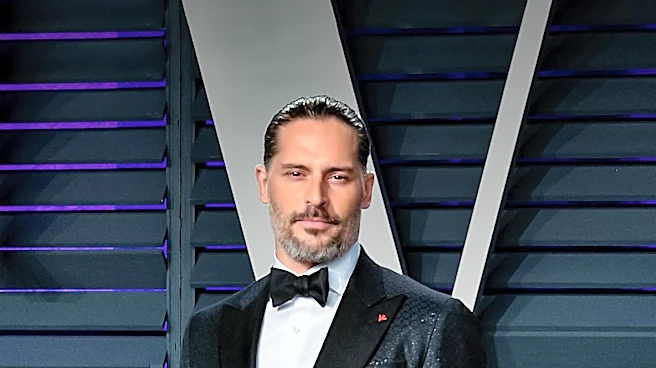
Actor Joe Manganiello has disclosed in his upcoming memoir, 'Bloodlines,' that he sought alternative treatment, including consulting a Santa Monica shaman, for a severe autoimmune condition that nearly claimed his life. Manganiello detailed experiencing
debilitating abdominal pain, fevers, rashes, headaches, fatigue, and digestive tract ulcers, which led to an emergency 'major organ amputation' in 2016 where a portion of his intestines was removed. Despite conventional medical treatments, including prescriptions for Crohn's and ulcerative colitis, failing to provide a cure, he explored other avenues. This included a trip to Cuba for an esoteric ritual involving licking a goat's skull pituitary gland, intended to reset the immune system. When this proved ineffective, he turned to a Santa Monica shaman who attributed his ailments to generational trauma. Manganiello claims that after this intervention, he felt 'completely broken' from past suffering and has since undergone reconstructive surgery on his digestive tract, now feeling 'reborn' and seemingly cured.
Why It's Important?
Joe Manganiello's public account of his battle with a severe autoimmune illness and his subsequent turn to alternative healing methods, including shamanism, highlights the growing interest in and debate surrounding non-traditional medicine within the U.S. While his story is a personal one, it reflects a broader societal trend where individuals, particularly those facing chronic or unexplained conditions, explore options beyond conventional Western medicine. This narrative can influence public perception of alternative therapies, potentially encouraging others to consider similar paths. It also underscores the limitations and frustrations some patients experience with traditional medical diagnoses and treatments for complex conditions like autoimmune diseases. The actor's high profile lends visibility to these discussions, potentially sparking conversations about the integration of holistic and spiritual practices with conventional healthcare, and the psychological and emotional aspects of healing that are often addressed by alternative practitioners.
What's Next?
The release of Joe Manganiello's memoir, 'Bloodlines,' on October 13, is expected to further publicize his experiences with both his illness and his journey through alternative healing. This could lead to increased public discussion and media attention on the efficacy and role of shamanism and other non-traditional treatments in health and wellness. It may also prompt more individuals to share their own experiences with alternative medicine, contributing to a broader dialogue about healthcare choices. For the medical community, such high-profile endorsements of alternative therapies often lead to renewed discussions about evidence-based practices versus anecdotal accounts, and the importance of patient-centered care that acknowledges diverse healing beliefs. The story might also inspire further research into the psychological and physiological impacts of spiritual practices on health, even if the mechanisms are not yet fully understood by conventional science.
Beyond the Headlines
Manganiello's story delves into the complex interplay between physical health, mental well-being, and spiritual beliefs. His assertion that a shaman helped break 'generational trauma' as a root cause of his illness touches upon the concept of epigenetics and the psychological impact of ancestral experiences, areas that are gaining increasing attention in both scientific and spiritual communities. This narrative challenges the purely biomedical model of disease by suggesting that deep-seated emotional or spiritual issues can manifest as physical ailments. The actor's journey also highlights the profound human desire for healing and meaning when faced with life-threatening conditions, often leading individuals to explore unconventional paths when conventional ones fail. It raises ethical questions about the promotion of unproven therapies, while simultaneously acknowledging the personal agency and hope that individuals find in such practices, regardless of scientific validation. The story ultimately reflects a cultural shift towards a more holistic view of health, where mind, body, and spirit are seen as interconnected.