
What's Happening?
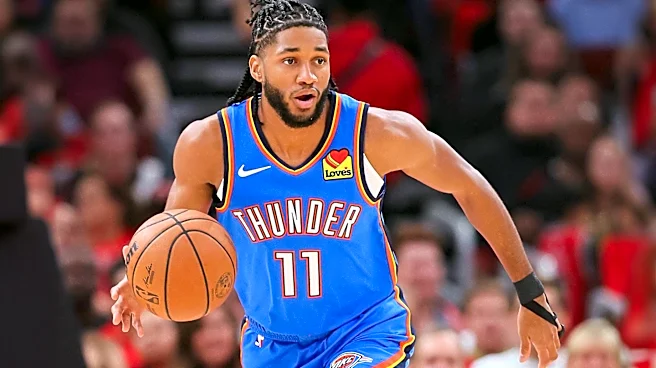
The Oklahoma City Thunder, and its predecessor the Seattle SuperSonics, have historically utilized the NBA Draft as a primary method for team development, selecting numerous players who have contributed
to the franchise's success. While the team has drafted star players and notable alumni from various institutions, including prestigious programs and smaller colleges, the University of Idaho has also contributed talent to the Thunder's roster. One such player was Ken Owens, a guard drafted by the SuperSonics in the fourth round (88th overall pick) of the 1982 NBA Draft. Owens played two seasons at Idaho but did not make the team after being drafted. The Thunder's drafting strategy has consistently involved casting a wide net to identify high-caliber talent from diverse collegiate backgrounds.
Why It's Important?
The Thunder's history of drafting players from a wide range of colleges, including smaller institutions like the University of Idaho, underscores a comprehensive approach to talent acquisition in the NBA. This strategy highlights that potential NBA-level talent is not exclusively found in major basketball programs but can emerge from various collegiate environments. For smaller schools, having players drafted by NBA teams, even if they don't make the final roster, can elevate their athletic programs' profiles and attract future recruits. For the Thunder, this broad scouting philosophy has been instrumental in building a competitive team over the decades, demonstrating the value of thorough and inclusive talent evaluation in professional sports.
What's Next?
The Thunder is expected to continue its broad scouting efforts, looking for talent across all collegiate divisions and increasingly, internationally. While specific players from Idaho are not currently highlighted for upcoming drafts, the precedent set by past selections indicates that the team remains open to drafting talent from diverse sources. This ongoing commitment to a wide-ranging draft strategy will likely see the Thunder continue to identify and develop players from various backgrounds, contributing to the team's long-term roster development and competitiveness in the NBA.
Beyond the Headlines
The inclusion of players from smaller universities in the NBA Draft, such as Ken Owens from Idaho, speaks to the aspirational nature of college basketball and the professional league. It demonstrates that talent and potential can be recognized regardless of a school's national prominence. This aspect of the draft provides opportunities for athletes from less-heralded programs to achieve their professional dreams, fostering a more inclusive and meritocratic system. It also challenges the notion that only players from top-tier programs are NBA-ready, encouraging scouts to look beyond traditional powerhouses and discover hidden gems, thereby enriching the league's talent pool.