





What's Happening?
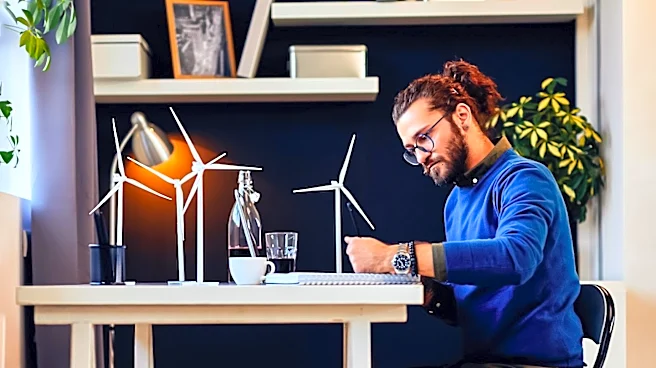
As return-to-office mandates increase, introverts are finding new ways to adapt to the changing work environment. During the pandemic, many introverts thrived in remote work settings that offered less social interaction and more control over their work environment. However,
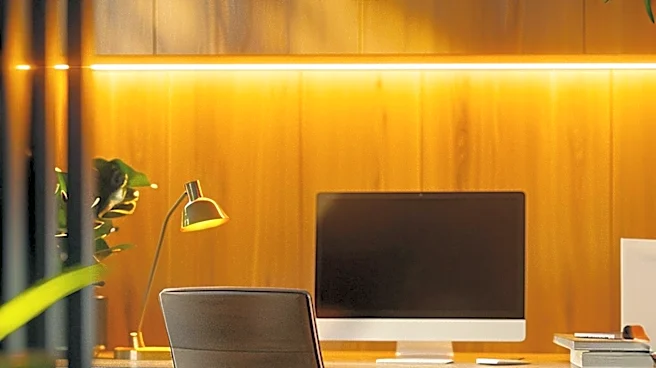
with offices reopening, introverts are now navigating workplaces that emphasize interaction and collaboration. Strategies such as seeking quiet spaces, using headphones, and scheduling meetings strategically are being employed to manage overstimulation. Companies are also redesigning office spaces to accommodate different working styles, with features like quiet rooms and flexible work areas becoming more common.
Why It's Important?
The shift back to in-person work presents challenges for introverts, who make up a significant portion of the workforce. The need for quiet and controlled environments is prompting companies to rethink office designs to support diverse working styles. This trend highlights the importance of workplace inclusivity and the need for employers to consider the well-being of all employees. By creating environments that cater to different needs, companies can enhance productivity and employee satisfaction, ultimately benefiting from a more engaged and diverse workforce.
What's Next?
As more companies recognize the importance of accommodating different working styles, we can expect continued innovation in office design. Employers may increasingly invest in creating spaces that offer a balance between collaboration and solitude. Additionally, as hybrid work models become more prevalent, companies will need to find ways to support employees both in the office and remotely. This could lead to further advancements in technology and office infrastructure to facilitate seamless transitions between different work environments.