









What's Happening?
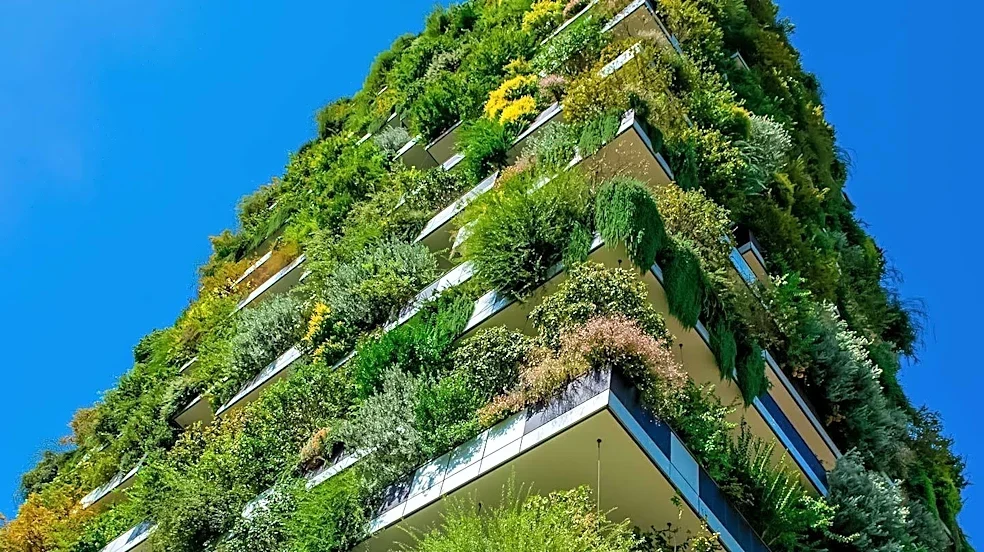
Vertical gardens are increasingly being utilized to enhance both urban architecture and residential spaces. One notable instance involved a vertical garden designed by botanist Patrick Blanc, completed in 2013, which transformed a building facade into
a living landscape. Similarly, a dramatic living wall was installed to create a welcoming focal point in a large front area of a property. These installations demonstrate a growing trend in integrating greenery into built environments. Beyond large-scale projects, vertical gardening is also being adopted for personal use, with products like a 7-tier vertical planter featuring 42 planting pockets, made from UV-resistant plastic and offering a 5-year warranty. This product caters to individuals interested in balcony vegetable gardening, including growing lettuce and strawberries. The concept extends to aesthetic garden design, as seen in Jennifer Aniston's Zen poolside garden, which incorporates vertical yuccas and evergreen groundcovers to emphasize tranquility and layered simplicity.
Why It's Important?
The increasing adoption of vertical gardens signifies a broader shift towards sustainable and aesthetically pleasing urban and residential development. For urban areas, these living walls can contribute to improved air quality, reduced urban heat island effect, and enhanced biodiversity by providing habitats for small insects and birds. This can lead to healthier and more livable cities, potentially reducing public health costs associated with pollution and heat stress. In residential settings, vertical gardens offer a solution for maximizing green space in compact areas, such as balconies, making gardening accessible to apartment dwellers. This trend also supports the local food movement by enabling individuals to grow their own produce, which can lead to fresher food options and reduced carbon footprints associated with food transportation. The integration of vertical elements in landscape design, as exemplified by celebrity homes, also influences design trends, promoting biophilic design principles that connect occupants with nature, which has been shown to improve well-being and productivity.
What's Next?
The trend of vertical gardening is likely to continue expanding, with further innovations in design, irrigation systems, and plant selection. We can anticipate more architectural projects incorporating living facades as cities strive for greener infrastructure and meet sustainability goals. The market for consumer-friendly vertical gardening products is also expected to grow, offering more modular and customizable options for home gardeners. Research into the environmental benefits of vertical gardens, such as their impact on building insulation and stormwater management, will likely lead to policy incentives for their adoption. Furthermore, educational initiatives promoting vertical gardening techniques could empower more individuals to engage in urban agriculture, fostering community resilience and food security. The integration of smart technology, such as automated watering and nutrient delivery systems, will also make vertical gardening more efficient and accessible to a wider audience.
Beyond the Headlines
Beyond their immediate aesthetic and environmental benefits, vertical gardens represent a deeper philosophical shift in how humanity interacts with nature within increasingly urbanized settings. They challenge traditional notions of where and how nature can exist, blurring the lines between built and natural environments. This integration can foster a greater appreciation for ecological systems and encourage a more holistic approach to urban planning and architecture. Ethically, the widespread adoption of vertical gardens could lead to discussions about equitable access to green spaces, particularly in underserved communities, and the potential for these installations to mitigate environmental injustices. Culturally, these living structures can become iconic landmarks, shaping the identity of cities and inspiring new forms of public art and engagement. The long-term impact could include a redefinition of urban aesthetics, where green infrastructure is not merely an add-on but an integral and dynamic component of city life, promoting a symbiotic relationship between human development and ecological health.