







What's Happening?
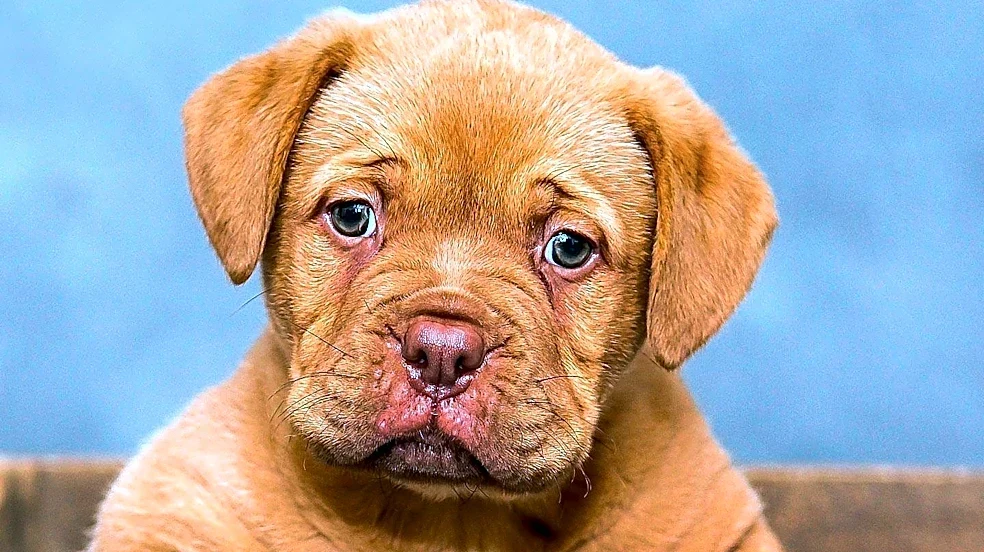
Different generations exhibit distinct approaches to dog care, reflecting varied lifestyles and priorities. Baby Boomers tend to focus on meeting their dogs' basic needs without overcomplicating care, viewing pets as part of the family but not necessarily
granting them special privileges. Gen X dog owners, despite often being 'helicopter parents' to their children, offer their dogs more independence while still spoiling them with premium food and services, especially as empty nesters. Millennials treat their dogs as their children, investing heavily in their well-being, throwing birthday parties, taking them to restaurants, and even hiring babysitters. This generation often sees their dogs as 'babies' if they don't have human children. Gen Z, often delaying traditional life milestones, also views their dogs as 'babies,' investing in enrichment activities like doggie daycares, training, and private dog parks, prioritizing experiences for their pets.
Why It's Important?
These generational differences in pet care significantly impact the pet industry and broader consumer markets. The varying levels of investment, from basic needs to extensive enrichment, create diverse market segments for pet food, veterinary services, pet accessories, and pet-related experiences. Businesses must tailor their products and marketing strategies to appeal to each generation's specific values and spending habits. For instance, premium pet food brands and specialized pet services will find a strong market among Gen X, Millennials, and Gen Z, while Boomers might prefer more value-oriented options. This segmentation also influences the growth of pet-friendly establishments and services, such as doggy daycares and pet-sitting apps, driven by younger generations' integration of pets into their daily lives. Understanding these nuances is crucial for companies seeking to capitalize on the growing pet care economy and for urban planners considering pet-friendly infrastructure.
What's Next?
The trends in pet care are likely to continue evolving as younger generations gain more economic influence. The pet industry can anticipate further innovation in personalized pet nutrition, advanced veterinary care, and technology-driven pet services. As Millennials and Gen Z continue to delay traditional family formation, their pets will likely maintain their central role in their lives, driving sustained demand for high-quality pet products and experiences. This could also lead to increased advocacy for pet rights and welfare, influencing public policy and corporate practices. Businesses that can adapt to these changing consumer expectations, offering bespoke solutions and emphasizing the emotional bond between owners and their pets, will be well-positioned for future growth. The concept of 'pet parenting' is expected to become even more entrenched, shaping future market offerings.
Beyond the Headlines
The differing approaches to dog care across generations reflect deeper societal shifts in family structures, economic realities, and evolving perceptions of animal companionship. Millennials and Gen Z's tendency to treat pets as children can be seen as a response to delayed parenthood, economic pressures making human children less feasible, or a desire for companionship in an increasingly isolated world. This shift also highlights a changing understanding of 'family' itself, expanding beyond traditional human-centric definitions. For Boomers, their more traditional approach may stem from different cultural norms around pet ownership from earlier eras. These generational differences also raise questions about the psychological benefits and potential drawbacks of anthropomorphizing pets, as well as the ethical implications of the growing pet industry's influence on animal welfare. The 'humanization' of pets is a significant cultural phenomenon with long-term implications for society's relationship with animals.