









What's Happening?
The third-party logistics (3PL) sector is experiencing growth despite challenges such as tariffs, geopolitical uncertainty, and network disruptions. According to Armstrong & Associates, international transportation management was the fastest-growing 3PL segment
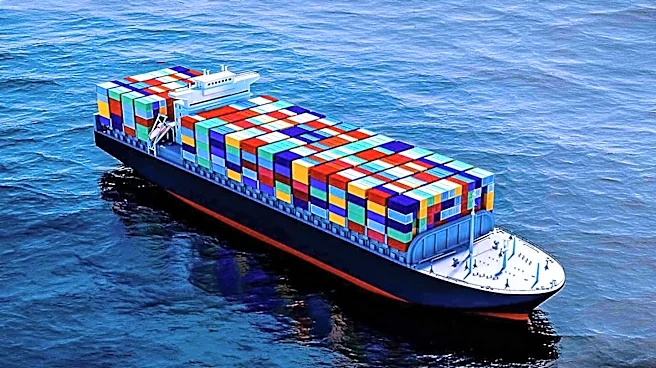
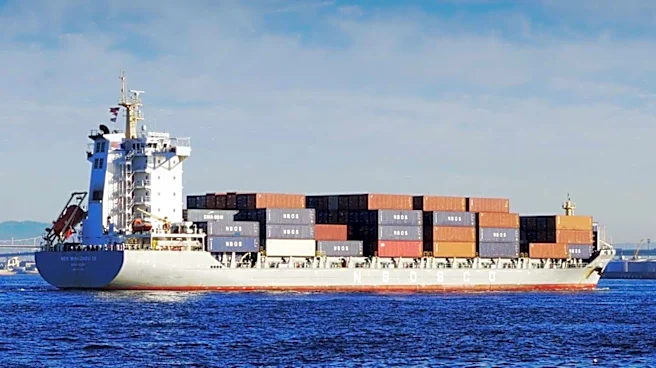
in 2025, driven by concerns over tariffs and trade wars. The ongoing conflict involving Iran and instability in the Red Sea and Strait of Hormuz are creating chokepoints, leading to higher transportation costs and service unpredictability. Companies like DHL and Flexport are launching new services to address these disruptions, including dedicated air services and multimodal options.
Why It's Important?
The growth of the 3PL sector is crucial for the U.S. economy as it supports the movement of goods across borders. However, the challenges posed by geopolitical tensions and tariffs can impact the cost and efficiency of logistics operations. The sector's ability to adapt and innovate, as seen with new service offerings, is essential for maintaining supply chain resilience. The report highlights the importance of reducing shipper uncertainty and stabilizing trade environments to support continued growth in the 3PL sector.
What's Next?
Looking ahead, Armstrong & Associates forecasts that domestic transportation management will be the fastest-growing 3PL segment in 2026. The removal of certain tariffs is expected to reduce shipper uncertainty, but ongoing discussions around sector-specific tariffs may continue to pose challenges. Companies will need to focus on managing freight risk and leveraging technology to navigate the complex logistics landscape. The sector's ability to adapt to changing conditions will be key to its success in the coming years.