








What's Happening?
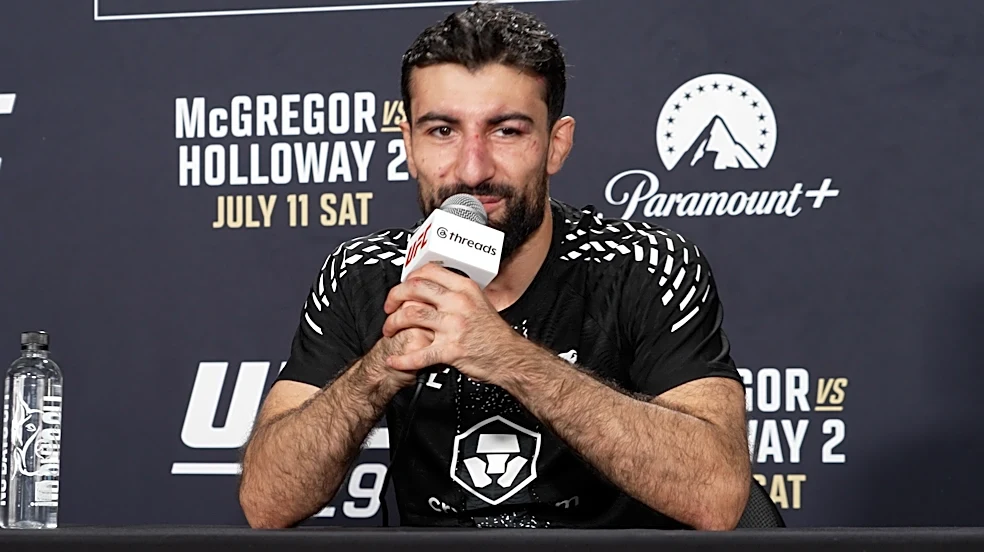
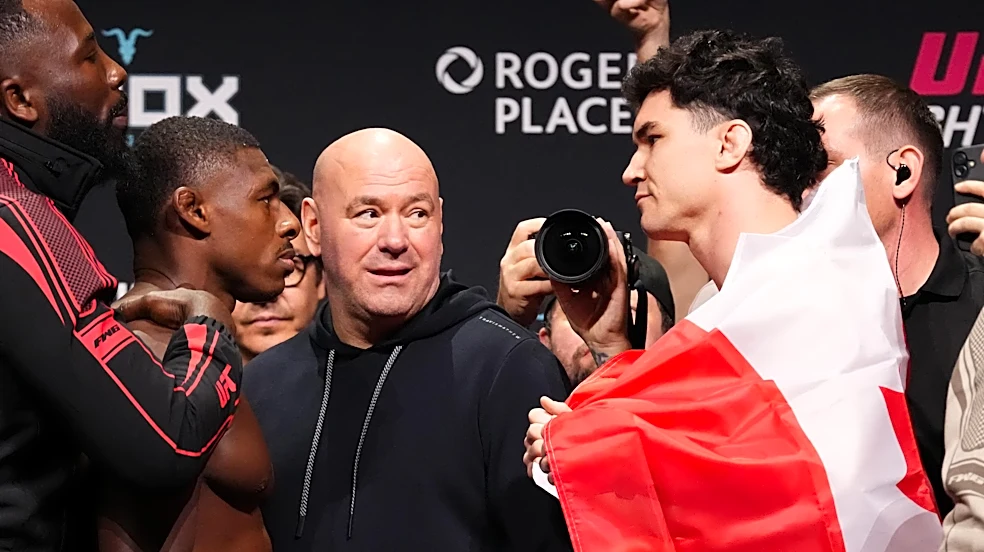
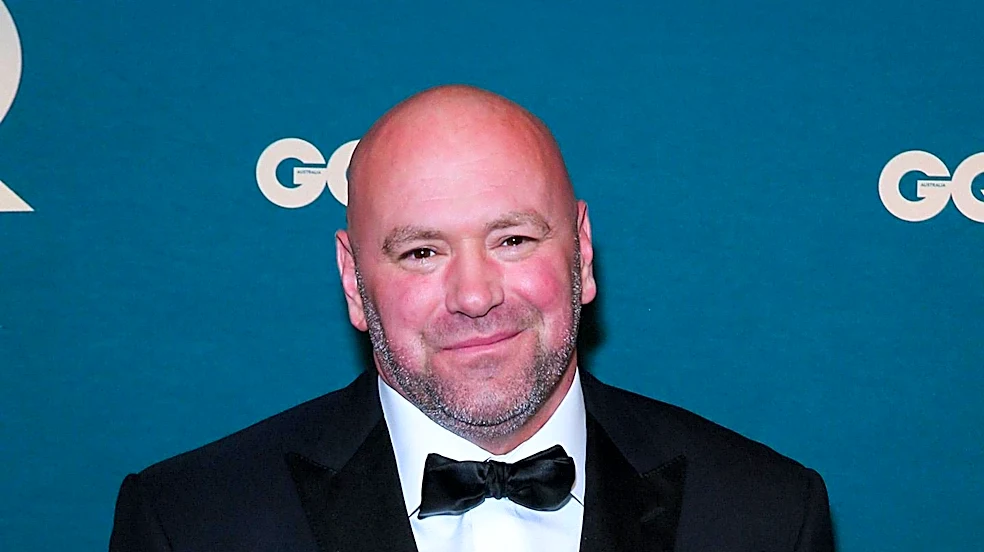
UFC President Dana White has commented on the non-re-signing of undefeated fighter Farid Basharat, stating there is a specific reason for his departure. Basharat, who held a 7-0 record in the UFC and a 16-0 professional record, was not offered a new contract
after completing his previous deal. White hinted that factors beyond an unbeaten record, such as being difficult to deal with or turning down fights, could lead to a fighter's exit. In response, Basharat has publicly rejected these implications, asserting that he never turned down a fight and always competed despite injuries. He also accused the UFC of cultivating a fanbase that prioritizes violent finishes and 'bloodbaths' over technical, high-quality fights, suggesting this approach could ultimately 'delegitimize the sport.' Basharat's criticism comes as the UFC continues to see events with numerous finishes, raising questions about the promotion's criteria for retaining fighters.
Why It's Important?
This situation highlights a significant tension within the mixed martial arts industry regarding the balance between entertainment value and athletic integrity. The UFC, as a dominant force in MMA, influences fan expectations and fighter career trajectories. Basharat's accusation that the promotion prioritizes 'bloodbaths' over technical skill suggests a potential shift in how fighters are evaluated and retained. If the UFC is indeed favoring fighters who deliver quick, violent finishes, it could disincentivize technical prowess and strategic fighting, potentially altering the sport's competitive landscape. This could impact fighter development, training methodologies, and the types of athletes who succeed in the organization. For fans, it raises questions about the long-term quality and credibility of the sport, as a focus on short-term spectacle might erode appreciation for the nuanced aspects of MMA.
What's Next?
The public exchange between Dana White and Farid Basharat is likely to continue sparking debate within the MMA community, among fighters, fans, and analysts. Basharat, now a free agent, will likely seek opportunities with other promotions, where his undefeated record could make him a valuable acquisition. His continued vocal criticism of the UFC's alleged prioritization of 'bloodbaths' could pressure the organization to clarify its fighter retention policies or at least address the perception. Other fighters might also be emboldened to speak out about their experiences or concerns regarding contract negotiations and the criteria for success within the UFC. The ongoing discussion could lead to a re-evaluation of how fighter performance is assessed, potentially influencing future contract decisions and the overall direction of fighter development in the sport.
Beyond the Headlines
The controversy surrounding Farid Basharat's departure from the UFC extends beyond a simple contract dispute, touching upon the ethical and cultural dimensions of professional sports entertainment. Basharat's claim that the UFC is 'manufacturing a fan base' that craves violence over skill raises questions about the responsibility of sports organizations in shaping audience preferences. This could have broader implications for how combat sports are perceived by the public and regulatory bodies. If the emphasis on 'bloodbaths' is seen as detrimental to fighter safety or the sport's long-term legitimacy, it could lead to increased scrutiny from athletic commissions or calls for changes in matchmaking and promotional strategies. The incident also underscores the power dynamics between a dominant promotion like the UFC and individual athletes, highlighting the challenges fighters face in navigating their careers while adhering to their personal and professional values.