


What's Happening?
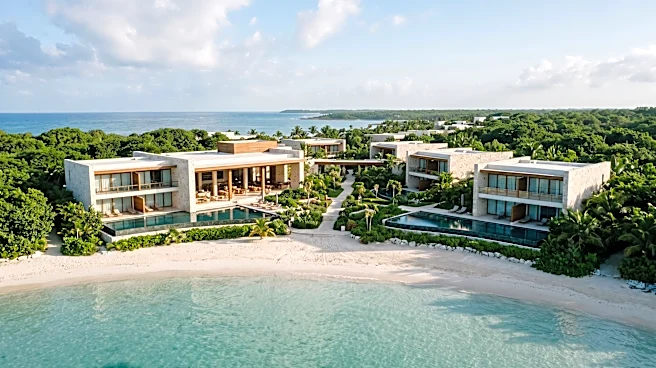
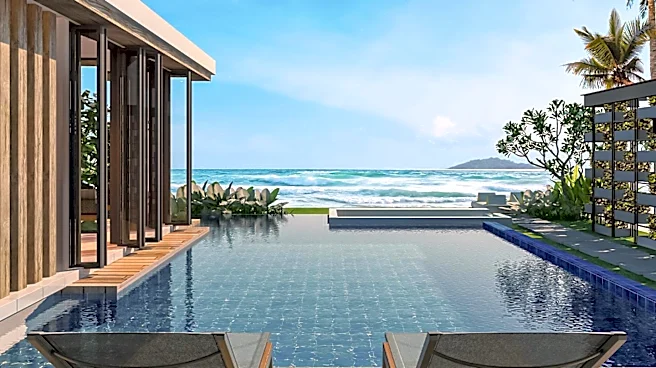
Hyatt is set to launch its first all-inclusive Park Hyatt resort globally, the Park Hyatt Riviera Maya, with bookings available from December 3, 2026. Located in the private coastal enclave of AMAI, between Cancún and Puerto Morelos, the resort will feature
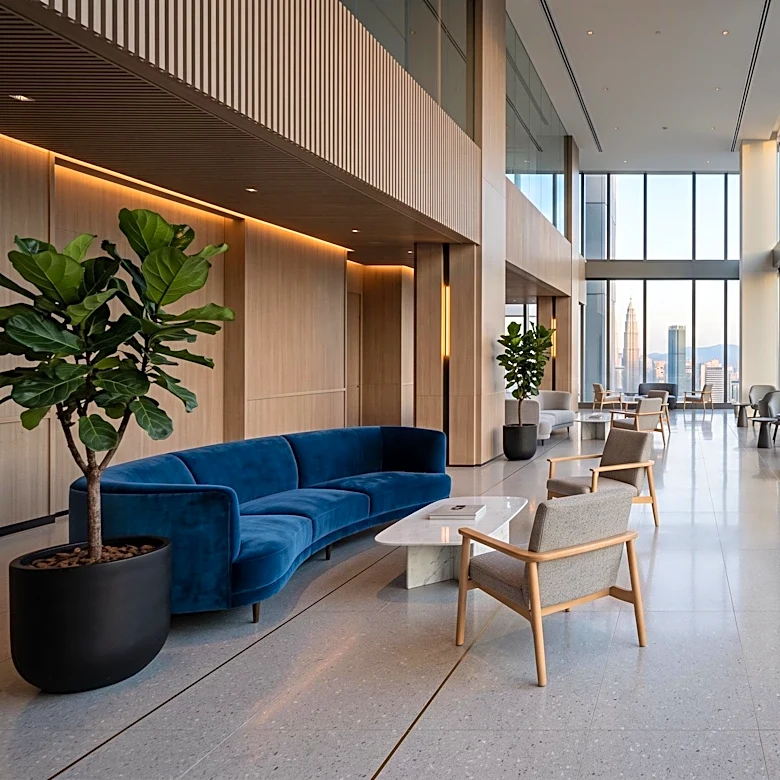
148 rooms and suites, ranging from 52 to 214 square meters, including a Penthouse Suite. The all-inclusive rate will cover unlimited meals and drinks across seven restaurants and bars, 24-hour room service, spa hydrotherapy access, and non-motorized water sports. The design emphasizes local craftsmanship, utilizing regional wood, stone, furniture, and artworks. This development is part of Hyatt's broader strategy to combine the simplicity of all-inclusive offerings with the luxury and service standards of its Park Hyatt and Grand Hyatt brands. The owner, Parks Hospitality Holdings, led by Charles El Mann Fasja, views this as a significant moment for Mexican tourism, adding to their portfolio of over 11,000 rooms, with more than 1,200 under the Hyatt brand. The resort will also offer preferential access to the El Tinto golf course and Cancun Country Club facilities.
Why It's Important?
The introduction of an all-inclusive Park Hyatt resort signifies a strategic shift in the luxury hospitality sector, blending high-end service and design with the convenience of an all-inclusive model. This move by Hyatt could influence other luxury brands to explore similar offerings, catering to a growing demand for seamless, high-value travel experiences. For the U.S. market, this expansion in Mexico, a popular destination for American tourists, means more diversified luxury options that combine relaxation with cultural immersion. The focus on local craftsmanship and art also supports regional economies and provides a more authentic experience for guests, moving away from generic resort themes. This trend reflects a broader industry movement towards personalized, experience-driven luxury travel, where privacy, wellness, and unique design are paramount. The competitive landscape for luxury travel will likely intensify as brands innovate to capture this evolving market segment, potentially leading to more sophisticated all-inclusive offerings across various destinations.
What's Next?
The Park Hyatt Riviera Maya is scheduled to open by the end of 2026, with bookings already available for December 3, 2026, onwards. Following its opening, the resort will join Park Hyatt Cabo del Sol (opened December 2025) and Park Hyatt Mexico City Polanco (expected spring 2027) to form a trio of Park Hyatt properties in Mexico. This expansion suggests a continued focus by Hyatt on strengthening its luxury presence in key North American and Latin American markets. The success of this all-inclusive model will likely be closely watched by competitors and could inform future development strategies within the luxury hospitality sector. Potential reactions from other major hotel groups might include the development of their own high-end all-inclusive concepts or enhanced partnerships with local artisans and cultural programs to offer more unique guest experiences. The resort's impact on local tourism and the broader luxury travel market in Mexico will become clearer after its full operational launch.
Beyond the Headlines
This venture by Hyatt into all-inclusive luxury highlights a deeper trend in the hospitality industry: the convergence of convenience and exclusivity. Traditionally, all-inclusive resorts have been associated with mass tourism, while luxury brands emphasized bespoke, à la carte experiences. The Park Hyatt Riviera Maya challenges this distinction by integrating high-end design, personalized service, and cultural authenticity into an all-inclusive format. This could redefine consumer expectations for luxury travel, where guests seek both the ease of a single price point and the sophistication of a premium brand. Ethically, the emphasis on local craftsmanship and regional artisans could foster sustainable tourism practices and provide economic benefits to local communities, moving beyond superficial thematic representations. This shift also reflects a growing desire among affluent travelers for immersive experiences that connect them with the destination's culture and natural environment, rather than just providing opulent amenities. The long-term implication could be a broader re-evaluation of what 'luxury' means in travel, prioritizing authenticity, wellness, and seamless, stress-free experiences.