





What's Happening?
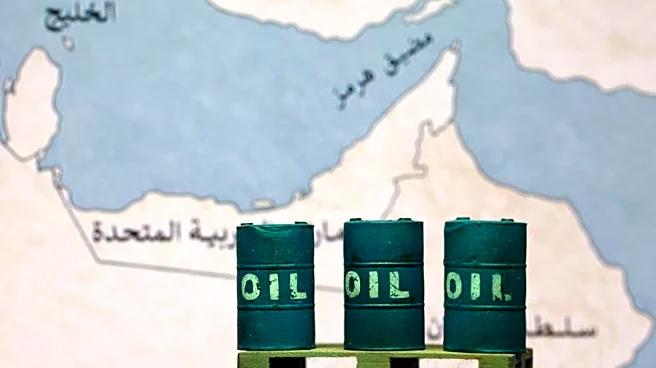
Eight OPEC+ countries, including major producers like Saudi Arabia and Russia, have decided to keep their oil output policy unchanged for March. This decision reaffirms their commitment to market stability, citing a stable global economic outlook and healthy
market fundamentals characterized by declining inventory levels. The group, which includes the Organization of the Petroleum Exporting Countries plus Russia and other allies, collectively pumps approximately half of the world's oil. This move follows previous voluntary adjustments made in April and November 2023. The countries reiterated that a 1.65 million barrels per day (bpd) reduction could be reinstated partially or fully depending on evolving market conditions. They also emphasized the importance of a cautious approach and maintaining flexibility to adjust production as needed, including the 2.2 million bpd adjustments announced in November 2023. Monthly meetings are scheduled to review market conditions, compliance, and compensation mechanisms, with the next meeting set for March 1.
Why It's Important?
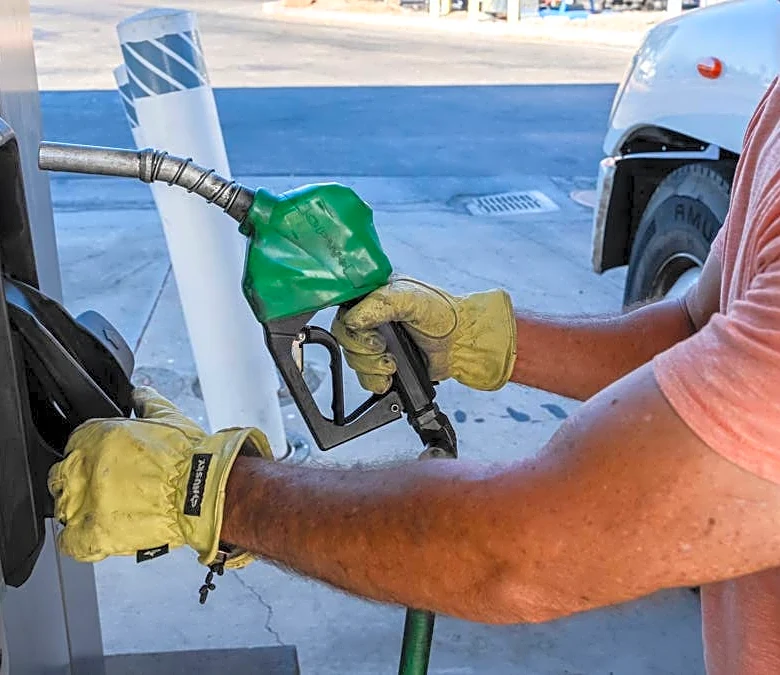
This decision by OPEC+ is significant for global energy markets, particularly for the U.S. economy, as it directly influences crude oil prices and, consequently, gasoline and diesel costs. Maintaining current output levels amidst geopolitical tensions, such as concerns over potential U.S. military strikes on Iran and supply disruptions in Kazakhstan, suggests a cautious approach to avoid further market volatility. For U.S. consumers and industries, stable oil prices can help mitigate inflationary pressures and provide predictability for business planning. However, if global demand outstrips this stable supply, or if geopolitical events further disrupt supply chains, prices could still rise, impacting transportation costs, manufacturing, and overall consumer spending. The U.S. relies on global oil markets, and OPEC+'s actions play a crucial role in shaping the economic landscape.
What's Next?
OPEC+ will continue to monitor and assess global market conditions closely, with monthly meetings scheduled to review compliance and compensation mechanisms. The next meeting on March 1 will be critical for any potential adjustments to their policy. The group's flexibility to either pause or reverse additional voluntary production adjustments means that future decisions will be highly responsive to market dynamics, including geopolitical developments and global demand shifts. Stakeholders, including U.S. policymakers, energy companies, and consumers, will be watching for any signals of changes in production strategy. Continued supply disruptions in regions like the Persian Gulf or Kazakhstan could pressure OPEC+ to reconsider its stance, potentially leading to further price fluctuations in the global oil market.
Beyond the Headlines
The consistent emphasis by OPEC+ on market stability and a cautious approach reflects a broader strategy to manage global oil supply in an increasingly unpredictable geopolitical environment. This approach aims to balance the interests of producer nations with the need to prevent extreme price volatility that could harm global economic growth. The ongoing commitment to monitor and adjust production highlights the complex interplay between supply, demand, and geopolitical factors. For the U.S., this means that while domestic energy production is significant, global supply decisions by cartels like OPEC+ remain a critical external factor influencing energy security and economic stability. The long-term implications involve a continuous dance between global energy policy and the evolving landscape of international relations.




