







What's Happening?
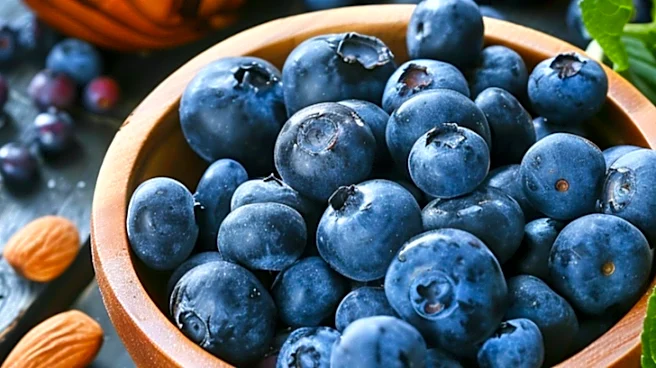
A recent review by researchers at Semmelweis University has highlighted the potential benefits of polyphenol-rich foods, such as berries, tea, and cocoa, in supporting healthy brain aging. The study, published in the journal Nutrients, suggests that these
plant compounds may influence biological pathways associated with Alzheimer's disease and other neurodegenerative conditions. The researchers examined a wide range of studies, including laboratory, animal, and clinical research, to assess the impact of polyphenols on nerve cell function. They found that these compounds may help maintain nerve cell health through antioxidant and anti-inflammatory activities. The review also emphasized the importance of plant-rich diets, such as the Mediterranean and MIND diets, which are rich in polyphenols and have been associated with better brain health.
Why It's Important?
The findings of this study are significant as they contribute to the growing body of evidence suggesting that diet plays a crucial role in brain health and the prevention of cognitive decline. With more than 55 million people worldwide living with dementia, and numbers expected to rise, identifying dietary factors that can support brain health is increasingly urgent. Polyphenols, found in a variety of plant-based foods, offer a promising avenue for supporting brain health without relying on supplements. This research underscores the importance of long-term dietary habits over the consumption of individual 'superfoods' in maintaining cognitive function and potentially reducing the risk of dementia.
What's Next?
Future research may focus on personalized nutrition approaches to better understand how individual differences in gut microbiomes affect the absorption and efficacy of polyphenols. As the study suggests, the same diet may not have uniform effects on everyone due to variations in gut bacteria. This could lead to more tailored dietary recommendations that maximize the benefits of polyphenol-rich foods for brain health. Additionally, continued exploration of the Mediterranean and MIND diets could provide further insights into their specific components that contribute to cognitive health.
Beyond the Headlines
The study also highlights the complex interaction between diet, gut health, and brain function. The role of gut bacteria in converting polyphenols into bioactive compounds suggests that gut health is an integral part of the equation in supporting brain health. This adds another layer to the understanding of how lifestyle factors, including diet, can influence cognitive aging. As research progresses, there may be broader implications for public health recommendations and dietary guidelines aimed at reducing the incidence of neurodegenerative diseases.