




What's Happening?
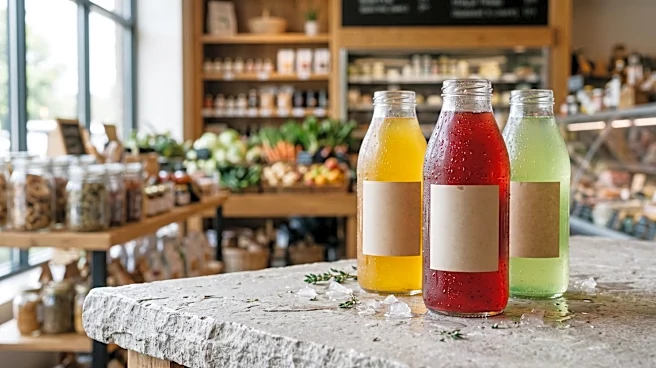
FedUp Foods, a North Carolina-based private label fermented beverage manufacturer, is expanding its product offerings to include shelf-stable functional beverages. The company has introduced new processing capabilities, specifically tunnel pasteurization
and retort, to support the production of ambient beverages. This expansion allows FedUp Foods to provide retailers with a broader range of functional formulations designed to address various health benefits, including digestive health, energy, relaxation, cognitive performance, hydration, and immune support. This move complements their existing portfolio of refrigerated products, which includes kombucha, prebiotic sodas, and cold brew coffee. The company's CEO, David Gray, emphasized their belief that beverages can be beneficial for both consumers and the planet, and that shelf-stable options further extend this mission. The expansion also enables retail partners to source both refrigerated and shelf-stable products from a single manufacturer, streamlining formulation, commercialization, distribution, and logistics.
Why It's Important?
This expansion by FedUp Foods is significant for the U.S. beverage industry, particularly within the private label and functional beverage sectors. The ability to produce shelf-stable functional beverages opens up new market opportunities and distribution channels, as these products do not require refrigeration, making them more accessible and cost-effective to store and transport. This aligns with a growing consumer demand for convenient, health-oriented drink options. According to the Private Label Manufacturers Association (PLMA), U.S. store brand sales reached a record $282.8 billion in 2025, indicating a strong and growing market for private label products. By offering a wider range of functional formulations, FedUp Foods can cater to diverse consumer needs and health trends, potentially increasing market share for private label brands against national brands. The investment in new manufacturing infrastructure, including a third facility in Wilmington, North Carolina, also signifies a commitment to scaling production and meeting anticipated demand, which could lead to job creation and economic growth in the region.
What's Next?
The immediate next step for FedUp Foods will be to leverage its new processing capabilities to introduce a wider array of shelf-stable functional beverages to the market. This will likely include functional sodas, protein shakes, coffee, and ready-to-drink lattes, as mentioned by the company. Retail partners are expected to benefit from the streamlined sourcing process, potentially leading to an increase in private label functional beverage options available to consumers. The company's focus on benefits like immune support and digestive health aligns with current consumer wellness trends, suggesting a strong market reception for these new products. Furthermore, FedUp Foods' commitment to environmental and social considerations as a certified Benefit Corporation, including regenerative ingredient sourcing and a net-zero emissions goal by 2035, indicates a continued emphasis on sustainable practices that could appeal to environmentally conscious consumers and partners.
Beyond the Headlines
The expansion into shelf-stable functional beverages by FedUp Foods reflects a broader shift in consumer preferences and the beverage industry. The increasing demand for 'better-for-you' options, coupled with a desire for convenience, is driving innovation in product formulation and packaging. The emphasis on functional ingredients like prebiotics, adaptogens, and botanicals highlights a growing consumer interest in proactive health management through diet. This trend also points to the blurring lines between traditional food and pharmaceutical industries, as beverages are increasingly seen as delivery vehicles for health benefits. The success of companies like FedUp Foods in the private label sector could also challenge the dominance of established national brands, fostering greater competition and potentially leading to more affordable functional beverage options for consumers. The ethical and environmental commitments of companies like FedUp Foods may also set new standards for corporate responsibility within the industry, influencing other manufacturers to adopt more sustainable practices.