



What's Happening?
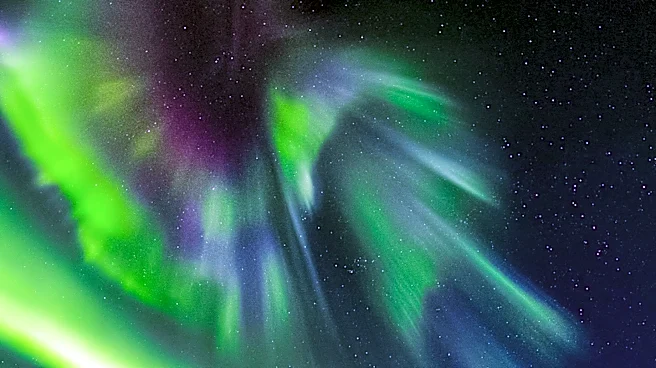
Alta, Norway, located at approximately 70° North, is being highlighted as a prime location for experiencing the Northern Lights. The city's geographical position, well above the Arctic Circle, provides long, dark winter nights essential for aurora viewing.
The Northern Lights season in Alta typically runs from September through late March. Beyond its aurora potential, Alta offers quick access to diverse landscapes such as quiet forests, valleys, and the vast Finnmarksvidda plateau, minimizing light pollution. The city also boasts a historical connection to aurora research, with the world's first permanent Northern Lights observatory established on Mount Haldde near Alta in the late 19th century. While sightings are not guaranteed, local guides leverage their knowledge of weather and cloud conditions to optimize viewing opportunities, sometimes traveling towards the coast or inland depending on atmospheric clarity. The flexibility to move away from urban light sources significantly enhances the chances of a clear view.
Why It's Important?
Alta's growing prominence as a Northern Lights destination contributes to the broader Arctic tourism industry, offering an alternative to more established locations like Tromsø. This development provides travelers with more diverse options for Arctic winter holidays, catering to different preferences for urban amenities versus wilderness immersion. The emphasis on combining aurora viewing with other winter activities, such as dog sledding, snowmobiling, snowshoeing, and whale watching, creates a more robust and appealing tourism package. This approach mitigates the risk of disappointment if the Northern Lights are not visible, ensuring a fulfilling travel experience regardless. For the local economy, this diversified tourism strategy supports various businesses, from tour operators and accommodation providers to equipment rentals and local eateries, fostering sustainable growth in the region.
What's Next?
As Alta continues to gain recognition, it is anticipated that more travelers will consider it for their Arctic adventures. Tour operators are likely to expand their offerings, providing more multi-day packages that integrate Northern Lights chases with a wider array of daytime winter activities. This trend could lead to increased investment in local tourism infrastructure, including accommodations, transportation, and specialized activity providers. The focus on responsible tourism, emphasizing respect for the environment and local communities, will likely become more pronounced to preserve the pristine nature of the Arctic landscape. Visitors planning a trip are encouraged to book multi-night stays to maximize their chances of seeing the aurora and to fully engage with the diverse winter experiences Alta provides.
Beyond the Headlines
The rise of Alta as a premier Northern Lights destination underscores a broader shift in how Arctic tourism is perceived and marketed. It moves beyond a singular focus on the aurora to promote a holistic winter wilderness experience. This approach highlights the intrinsic value of the Arctic environment, encouraging visitors to appreciate its unique landscapes, wildlife, and cultural heritage. The emphasis on local knowledge and flexible tour operations also reflects a growing demand for authentic and adaptive travel experiences. Furthermore, the historical context of aurora research in Alta adds an educational dimension, connecting modern tourism with scientific exploration. This blend of natural wonder, adventure, and historical significance positions Alta as a destination that offers both awe-inspiring sights and a deeper engagement with the Arctic region.