





What's Happening?
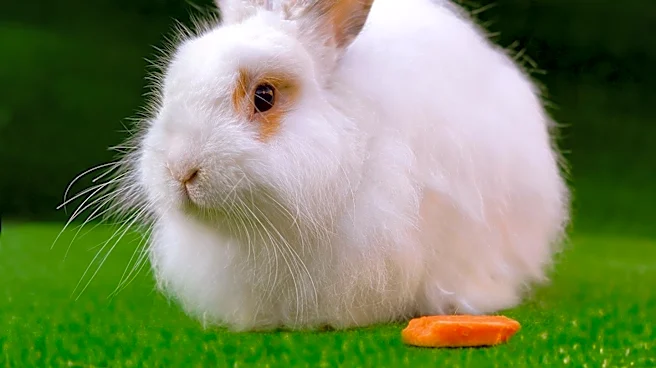
Domestic rabbits are increasingly popular pets, known for their ease of care and trainability, including litterbox training. These animals can live a long and healthy life, typically ranging from 6 to 10 years. To ensure their well-being, rabbits require
a clean, climate-controlled environment with consistent access to fresh water and proper nutrition. For indoor rabbits, 'bunny-proofing' the home is essential to remove potential hazards like electrical cords and items they might chew. If kept outdoors, rabbits need a secure enclosure that protects them from predators. The dietary needs of pet rabbits differ significantly from those raised for commercial purposes, emphasizing the importance of tailored nutrition for their extended lifespan as companions.
Why It's Important?
The growing popularity of domestic rabbits as pets highlights a need for increased awareness regarding their specific care requirements. Improper care can lead to health issues and a reduced lifespan, impacting both the animals and their owners. Understanding the distinctions between pet rabbit care and commercial rabbit husbandry is crucial for responsible pet ownership. This includes providing appropriate housing, ensuring a safe environment free from chewable hazards, and offering a diet formulated for pet rabbits rather than production animals. The emphasis on a climate-controlled environment also underscores the sensitivity of rabbits to extreme temperatures, which can affect their health and comfort. Educating prospective and current rabbit owners on these aspects can significantly improve the welfare of these pets.
What's Next?
As domestic rabbits continue to gain popularity, there is an ongoing need for educational resources and veterinary guidance on their specialized care. Pet owners should seek advice from veterinarians experienced in exotic animals to establish appropriate feeding plans and health maintenance routines. Further research into optimal pet rabbit nutrition and environmental enrichment could lead to even longer and healthier lives for these animals. Additionally, community initiatives promoting responsible pet ownership, including proper housing and safety measures, will be vital in ensuring that rabbits thrive in domestic settings. The focus will likely remain on preventative care and owner education to address the unique needs of these companion animals.
Beyond the Headlines
The trend of keeping rabbits as pets reflects a broader shift in companion animal preferences, moving beyond traditional cats and dogs to include a wider array of species. This shift brings with it ethical considerations regarding the provision of species-specific care, which often requires more specialized knowledge than for common pets. The emphasis on 'bunny-proofing' and predator protection highlights the inherent vulnerabilities of rabbits in human environments, underscoring the responsibility of owners to create safe habitats. Furthermore, the distinction between pet and commercial rabbit nutrition points to the ethical implications of animal agriculture versus companion animal welfare, where the goals for an animal's life and health diverge significantly based on its intended purpose.