






What's Happening?
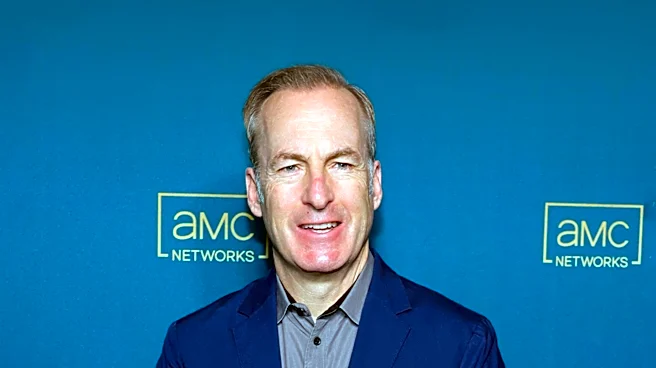
AMC Entertainment Holdings CEO Adam Aron has publicly questioned the collateralization and legality of Robinhood Markets' Stock Tokens. Aron specifically asked if these tokens remain fully backed on a one-to-one basis when the underlying shares are lent
to short sellers. He directed his concerns to Robinhood Chief Legal Officer Dan Gallagher and CEO Vlad Tenev, who have recently defended the product. Aron criticized Robinhood for promoting Stock Tokens in the U.S. despite disclosures stating they cannot be offered or sold to U.S. persons. He also questioned the establishment of a Robinhood operation in Jersey to potentially circumvent U.S. securities law. Aron labeled the practice as 'abhorrent,' arguing it undermines the fundamental ethos of share ownership and transforms investing into a 'gamified business-oriented casino.' He emphasized that U.S. securities laws have historically protected investors and questioned how a former SEC regulator could endorse a system lacking these safeguards.
Why It's Important?
This dispute highlights significant concerns regarding investor protection and regulatory oversight in the evolving landscape of tokenized assets. If stock tokens are not genuinely backed one-to-one, especially when underlying shares are lent out, it could expose investors to unforeseen risks and undermine confidence in these new financial products. Aron's critique brings to the forefront the debate over whether tokenized stocks offer the same rights and protections as traditional shares, including dividends and voting rights. The controversy also raises questions about regulatory arbitrage, where companies might establish operations in jurisdictions with less stringent oversight to offer products that could face challenges under U.S. securities law. This could lead to a fragmented regulatory environment, potentially creating loopholes that could harm retail investors and destabilize markets. The involvement of a former SEC commissioner in defending these products further complicates the regulatory discussion, suggesting a need for clearer guidelines from authorities like the SEC.
What's Next?
The ongoing debate is likely to intensify calls for regulatory clarity from the U.S. Securities and Exchange Commission (SEC) regarding tokenized stocks. SEC Commissioner Hester Peirce has already indicated that tokenization does not alter a stock's legal status, meaning securities laws still apply, but she also noted a distinction between companies tokenizing their own shares and third parties tokenizing existing stocks. Regulators will likely need to provide more explicit guidance on where these products can be traded and what investor protections, such as dividends and voting rights, are guaranteed. Robinhood may face increased scrutiny from regulators and public pressure to clarify the mechanics and legal standing of its Stock Tokens, particularly concerning their availability to U.S. investors and the collateralization process. This could lead to policy discussions in Congress or further enforcement actions by the SEC to establish clear boundaries for these innovative, yet potentially risky, financial instruments.
Beyond the Headlines
The controversy surrounding Robinhood's Stock Tokens touches upon deeper implications for the future of financial markets and the intersection of traditional finance with blockchain technology. The concept of tokenized assets promises greater liquidity and accessibility, but without robust regulatory frameworks, it risks eroding investor trust and creating systemic vulnerabilities. This situation could accelerate the push for a comprehensive regulatory approach to digital assets in the U.S., potentially leading to new legislation or significant amendments to existing securities laws. It also highlights a philosophical divide: whether financial innovation should prioritize speed and accessibility or maintain stringent investor protections. The outcome of this debate could shape how blockchain technology is integrated into mainstream finance, influencing everything from how companies raise capital to how individuals invest, and potentially setting precedents for global regulatory standards in the digital asset space.