






What's Happening?
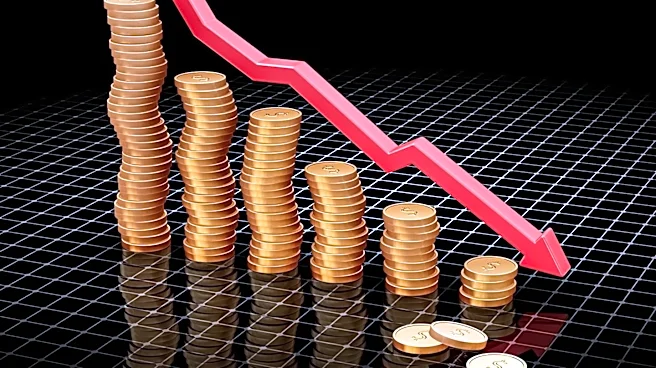
The US economy lost 23,000 jobs in July, according to the Labor Department, contrary to economists' expectations of an 80,000 job gain. The unemployment rate decreased to 4.1%, influenced by a decline in labor force participation. Significant job losses
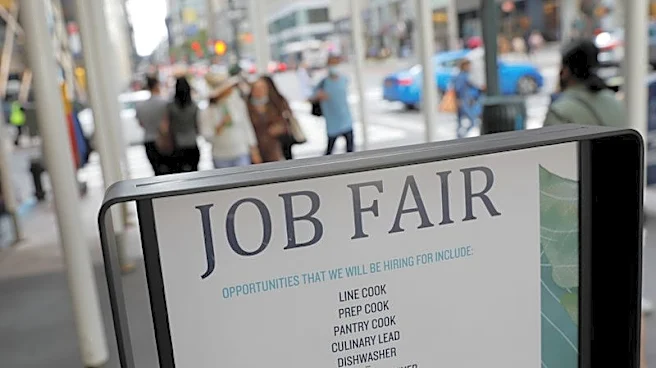
occurred in leisure and hospitality, local government, and retail sectors. Despite the overall job loss, sectors like healthcare and construction showed growth. Average hourly earnings increased by 3.2% year-over-year, but concerns remain about wage growth keeping pace with inflation.
Why It's Important?
The unexpected job losses in July highlight ongoing challenges in the US labor market. The decline in labor force participation suggests underlying issues in workforce engagement, potentially impacting economic recovery. The concentration of job losses in specific sectors indicates shifting demand patterns, emphasizing the need for targeted workforce development and retraining initiatives. The modest wage growth raises concerns about workers' purchasing power amid rising living costs, which could affect consumer spending and economic stability.
What's Next?
The US labor market may continue to experience fluctuations as demand shifts across industries. Policymakers and businesses might focus on addressing workforce participation and enhancing skills training to align with evolving job opportunities. Monitoring wage growth and inflation will be crucial to ensure economic stability and support consumer confidence. The labor market's response to these challenges will likely influence future economic policy decisions and strategies for sustainable growth.