






What's Happening?
Dylan Gretok, an undergraduate student at NC State University, has developed a sustainable packaging material derived from seaweed, aiming to replace traditional plastics and reduce carbon emissions. Through his company, Seagull EcoChem, Gretok utilizes
alginate extracted from sargassum seaweed, which often washes ashore in the Caribbean, causing environmental damage. His initiative was sparked by an interest in clean technology and entrepreneurship, leading him to seek a low-cost, environmentally friendly material free of microplastics. Gretok has secured two provisional patents for his work and, in partnership with NC State’s Wilson College of Textiles, has scaled production from grams in the lab to five to ten kilograms on a production line. This validation of his technology is enabling Seagull EcoChem to engage with larger companies and package converters, as well as environmentally conscious brands for potential partnerships. Gretok also participated in the BeVisioneers: The Mercedes-Benz Fellowship in Europe, connecting with global innovators focused on reducing carbon emissions.
Why It's Important?
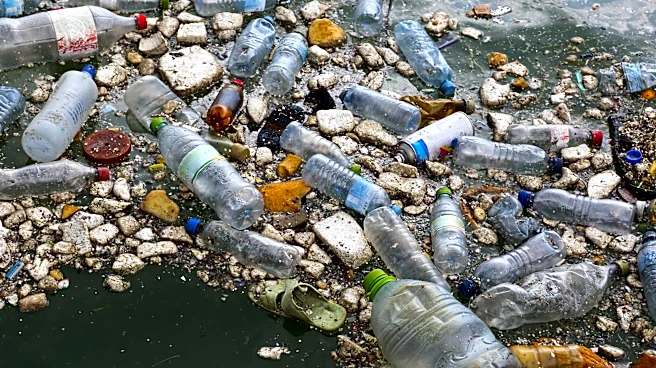
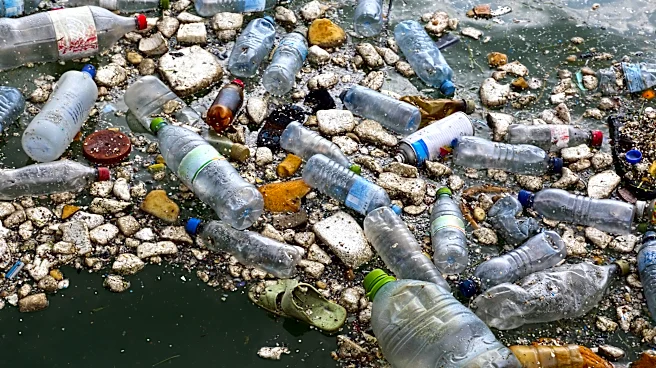
This innovation holds significant importance for the U.S. and global efforts to combat plastic pollution and reduce carbon footprints. Traditional plastic production relies on petrochemicals, leading to substantial carbon emissions and the pervasive issue of microplastics in oceans and land. Gretok's seaweed-based alternative offers a biodegradable and sustainable solution that could mitigate these environmental harms. The ability to scale production, as demonstrated by Seagull EcoChem, is crucial for widespread adoption and making a tangible impact on the packaging industry. By providing a cost-competitive and eco-friendly material, this development could influence U.S. businesses to shift away from conventional plastics, aligning with growing consumer demand for sustainable products. Furthermore, utilizing sargassum seaweed, an environmental nuisance in regions like the Caribbean, transforms a waste problem into a valuable resource, offering a dual benefit for ecological restoration and sustainable manufacturing.
What's Next?
Seagull EcoChem is actively seeking partnerships with large companies and package converters, indicating a move towards commercialization and broader market penetration. The validation of their technology through scaled production positions them to attract significant investment and collaboration. As Gretok prepares to graduate, he is considering either pursuing graduate studies or dedicating himself fully to building Seagull EcoChem, signaling a commitment to further developing and deploying this sustainable solution. The company's participation in international fellowships and discussions with investors about global carbon emission reduction by 2050 suggests an ambition to make a substantial impact on a global scale. Future steps will likely involve securing more funding, expanding production capabilities, and forging key partnerships to integrate seaweed-based packaging into mainstream supply chains, potentially influencing packaging standards and consumer choices across the U.S. and beyond.
Beyond the Headlines
This development transcends mere product innovation; it represents a paradigm shift in how waste materials can be repurposed for sustainable solutions. The initiative highlights the critical role of academic institutions and student entrepreneurship in addressing pressing environmental challenges. Gretok's journey from a high school environmental science class to securing patents and scaling production underscores the potential for young innovators to drive significant change. Ethically, this project aligns with the growing global imperative to move towards a circular economy, minimizing waste and maximizing resource utility. Culturally, it could foster greater awareness and acceptance of bio-based materials as viable alternatives to fossil fuel-derived products. The success of Seagull EcoChem could inspire further research and investment in biomaterials, potentially leading to a new wave of sustainable industries and job creation within the U.S., contributing to a more resilient and environmentally harmonious future.