




What's Happening?
Concert presales are ticket sales periods that open before general public on-sales, providing specific groups of buyers with early access. This access typically depends on a unique code, advance registration, or the use of a qualifying payment card. Artists
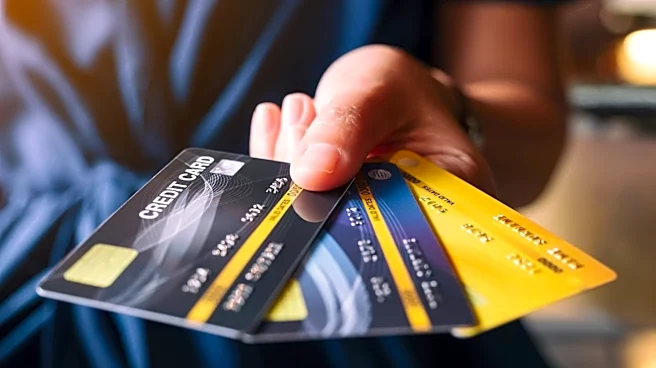
and promoters utilize presales for two primary reasons: to reward their core fanbase, including those who join fan clubs, stream music, and sign up for mailing lists, and to manage the overall demand for tickets. Various entities can run these presales, such as ticketing companies like Ticketmaster with its Verified Fan program, credit card issuers like American Express, Citi, and Capital One, and the artists themselves through official fan clubs. Other organizations, including Spotify, venues, promoters, and even local radio stations, can also offer presale access. The rules for obtaining and using presale access vary; for instance, fan club codes are often sent via email, while Verified Fan codes may arrive by text message, and card presales require payment with the eligible card. A presale code grants access to a specific sale but does not guarantee a ticket.
Why It's Important?
The system of concert presales significantly impacts the U.S. entertainment industry by shaping how event tickets are distributed and consumed. For fans, presales offer an exclusive opportunity to secure tickets for high-demand events before they sell out, fostering loyalty and engagement with artists. This early access can be a strong incentive for fans to join fan clubs, subscribe to mailing lists, or use specific credit cards, thereby influencing consumer behavior and brand allegiance. For artists and promoters, presales are a strategic tool to gauge demand, reward dedicated followers, and potentially mitigate issues like scalping by controlling the initial release of tickets. Credit card companies leverage presales as a perk to attract and retain cardholders, integrating entertainment benefits into their financial products. However, the complexity and varying rules of different presale types can create a fragmented and sometimes frustrating experience for the general public, who may feel disadvantaged if they lack access to these exclusive windows. This system also highlights the evolving landscape of ticket sales, where direct fan engagement and strategic partnerships play a crucial role in market dynamics.
What's Next?
The trend of utilizing various presale mechanisms is likely to continue and evolve within the U.S. concert industry. As demand for live events remains high, artists and promoters will likely explore new ways to segment their audience and offer tiered access to tickets. This could involve more sophisticated fan club integrations, expanded partnerships with financial institutions, or innovative uses of technology to identify and reward loyal fans. Ticketing platforms may further refine programs like Verified Fan to combat bots and resellers, aiming to create a fairer purchasing environment. Fans can anticipate a continued need to actively engage with artists' platforms, join fan clubs, or hold specific credit cards to gain early access to popular events. The industry may also see increased scrutiny over the transparency and fairness of presale practices, potentially leading to new regulations or industry standards designed to balance exclusive access with broader public availability. The ongoing challenge will be to manage high demand while ensuring a positive experience for all concertgoers.
Beyond the Headlines
The prevalence of concert presales reflects a deeper shift in the relationship between artists, fans, and the entertainment industry. Beyond simply selling tickets, presales are a sophisticated marketing and loyalty-building strategy. They transform ticket purchasing into an experience of exclusivity and reward, reinforcing fan identity and commitment. This system also underscores the increasing value placed on direct-to-fan communication and data collection, as artists and promoters gather insights into their most dedicated followers. Ethically, the tiered access raises questions about equity and accessibility, as those without specific memberships or credit cards may feel excluded from prime opportunities. It also highlights the economic power of fan communities, where loyalty can be monetized through memberships and exclusive offerings. Culturally, presales contribute to the 'FOMO' (fear of missing out) phenomenon, driving rapid engagement and creating a sense of urgency around event attendance. This model, while beneficial for artists and certain stakeholders, also challenges the traditional notion of a public on-sale as the primary access point for entertainment, making early engagement almost a prerequisite for securing tickets to popular events.