


What's Happening?
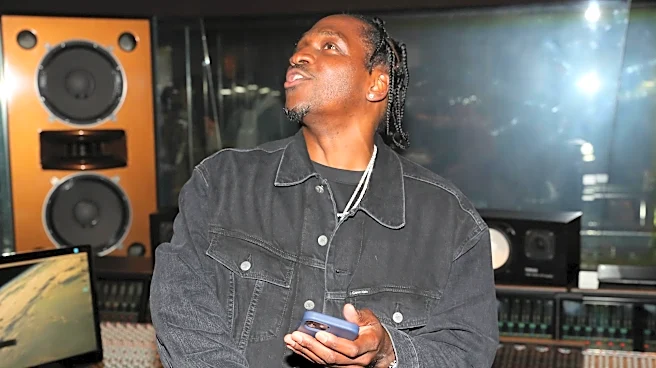
Pusha T has publicly defended rap battles as a competitive sport, emphasizing that the conflict should remain within the realm of music. In an interview with The Wall Street Journal, the Clipse rapper stated, “This is a very competitive sport. As long
as it’s music, it’s fine. Anything outside of that realm, it’s overboard.” His comments come in response to Jay-Z's concerns about the escalating nature of rap feuds, particularly when they extend beyond musical jabs into personal attacks, including involving family members. Pusha T clarified that he was not aware of the specific clashes Jay-Z had in mind when discussing the harm caused by rap feuds. Jay-Z had previously expressed his disapproval of disputes that bring in people's children, citing the Kendrick Lamar and Drake feud as an example where listeners become entrenched in opposing camps. Pusha T's own history includes a notable 2018 feud with Drake, which saw Drake's son become a subject of the lyrical exchange. Pusha T later reflected on this aspect of rap conflict after becoming a father himself, expressing discomfort with any mention of children in such a negative context.
Why It's Important?
Pusha T's stance highlights a critical debate within the hip-hop community regarding the ethics and boundaries of rap beefs. His defense of rap battles as a competitive art form underscores the genre's historical roots in lyrical prowess and verbal sparring. However, his clear demarcation—that disputes should not extend beyond music—reflects a growing sentiment among artists about the need for responsible engagement in feuds. This discussion is significant because it influences how artists approach lyrical conflict, potentially shaping the content and impact of future rap battles. The involvement of personal lives, especially children, in rap feuds has been a contentious issue, leading to broader conversations about the moral responsibilities of artists and the potential real-world consequences of their lyrics. This dialogue could lead to an unwritten code of conduct within the rap community, encouraging artists to maintain the integrity of the sport while avoiding harmful personal attacks that can have lasting repercussions on individuals and the culture at large.
What's Next?
The ongoing discussion initiated by artists like Jay-Z and Pusha T is likely to continue influencing the landscape of rap battles and feuds. While no formal rules are expected, the public statements from influential figures in hip-hop could foster a more self-regulated environment where artists are more mindful of the lines they cross. Future rap battles may see a more conscious effort from participants to keep their lyrical attacks focused on artistic merit and professional rivalry rather than personal lives. This could lead to a resurgence of more traditional, skill-based lyrical confrontations, potentially elevating the art form. Conversely, some artists might continue to push boundaries, leading to further debate and potentially more public condemnation from their peers. The conversation also sets a precedent for how fans and media interpret and engage with rap beefs, potentially shifting focus from sensational personal attacks to the artistic quality of the disses. The community will likely watch how future high-profile feuds unfold to see if these expressed boundaries are respected.
Beyond the Headlines
The debate over the boundaries of rap battles touches upon deeper ethical and cultural dimensions within hip-hop. It reflects a maturation of the genre, where artists are increasingly grappling with the impact of their art beyond entertainment. The call to keep conflicts within music speaks to the desire to preserve the competitive spirit of rap without descending into destructive personal attacks that can harm individuals and the genre's reputation. This discussion also highlights the evolving nature of celebrity and privacy in the digital age, where personal lives are often scrutinized and weaponized. The shift in Pusha T's perspective after becoming a father underscores how personal experiences can influence artistic ethics, suggesting a growing sense of responsibility among artists as they navigate their careers and personal lives. Ultimately, this conversation contributes to the ongoing evolution of hip-hop, pushing it towards a more nuanced understanding of competition, respect, and accountability within its vibrant and often confrontational culture.