


What's Happening?
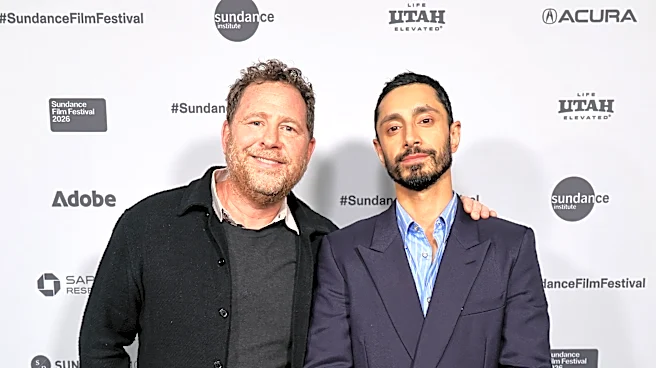
Cinematographer Michael Fimognari discussed his extensive collaboration with director Mike Flanagan on the Amazon Prime series 'Carrie,' highlighting their 15-year working relationship. In an interview with The Contending, Fimognari explained how their synchronized
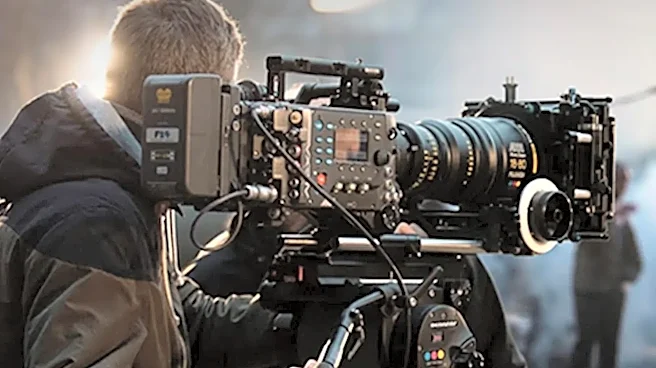
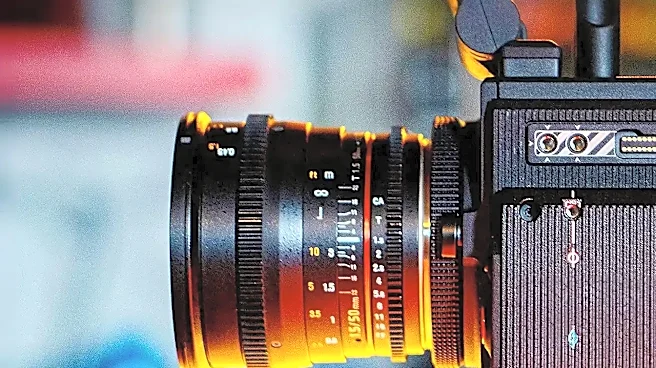
approach allows them to continuously learn and innovate with each project. He detailed the meticulous planning involved, from initial whiteboard drawings for blocking to the selection of spherical lenses to ground the series in a relatable reality. Fimognari elaborated on the visual design of key scenes, such as Carrie's home, which was crafted to transform from a warm space to a perceived prison, and the library scene, which symbolized an expansion of Carrie's world through light and space. A significant focus was placed on the prom scene, where deliberate color contrasts—starting with blue and star motifs before transitioning to the shocking red of blood and fire—were used to heighten emotional impact and connect to Carrie's personal history. The lighting was specifically designed to accommodate speed ramps for Carrie's entrance and to manage the luminance from exploding cellphones, requiring two distinct lighting levels for the scene.
Why It's Important?
This insight into the creative partnership between Michael Fimognari and Mike Flanagan underscores the intricate and deliberate artistic choices that shape major streaming productions. Their long-standing collaboration, characterized by mutual understanding and a shared vision, allows for a highly efficient and innovative filmmaking process. This approach is crucial in an industry where visual storytelling significantly impacts audience engagement and critical reception. The detailed explanation of lighting, lens choices, and color palettes for 'Carrie' reveals the depth of planning required to translate a narrative's emotional core into visual language. For viewers, understanding these behind-the-scenes decisions can enhance appreciation for the craft of filmmaking. For aspiring filmmakers and industry professionals, it offers a case study in effective creative collaboration and the technical considerations involved in adapting well-known stories for contemporary audiences, particularly in the horror genre where atmosphere and visual tension are paramount.
What's Next?
The successful collaboration between Michael Fimognari and Mike Flanagan on 'Carrie' suggests a continued partnership on future projects, given their established synergy and shared creative goals. As streaming platforms like Amazon Prime continue to invest heavily in original content, the demand for experienced and cohesive creative teams remains high. Audiences can anticipate more visually distinctive and emotionally resonant productions from this duo, potentially pushing the boundaries of visual storytelling in the horror and drama genres. The detailed technical and artistic approaches discussed, such as the use of specific lighting schemes for high-speed shots and the deliberate manipulation of color for emotional impact, are likely to influence future productions. This ongoing evolution in filmmaking techniques, driven by established partnerships, will continue to shape the visual language of television and film, offering richer and more immersive experiences for viewers.
Beyond the Headlines
The enduring partnership between Michael Fimognari and Mike Flanagan highlights a broader trend in the entertainment industry: the formation of consistent creative teams that develop a unique visual and narrative signature. This model, reminiscent of classic director-cinematographer pairings, allows for a deeper exploration of themes and a more refined aesthetic over multiple projects. Beyond the technical aspects, their collaboration fosters an environment where trust and shared artistic sensibilities can lead to innovative solutions for complex storytelling challenges. This approach can also contribute to a distinct brand identity for their work, making it recognizable and anticipated by audiences. Ethically, such long-term collaborations can promote a more sustainable and less transient working environment within the often-demanding film and television production landscape, fostering a sense of continuity and shared purpose among key creatives. This stability can ultimately lead to higher quality productions and a more cohesive artistic vision across a body of work.