

What's Happening?
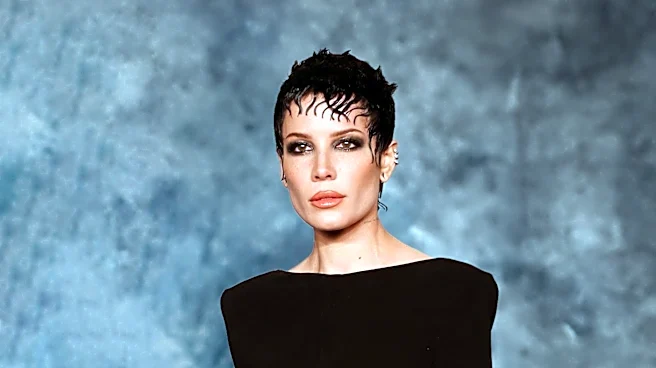
Halsey, the stage name for American singer-songwriter Ashley Nicolette Frangipane, is recognized for her distinctive voice and narrative-driven music, blending pop, alternative, and electropop genres. Her public persona is shaped by her self-identification
as queer, bipolar, and chronically ill, which significantly influences her art and public presence. Halsey initially gained traction through platforms like Tumblr and SoundCloud before achieving a breakthrough with singles that showcased her unique vocal style and thematic focus on emotional and psychological landscapes. Her debut album, 'Badlands,' established a narrative of duality and resilience, followed by releases like 'Hopeless Fountain Kingdom,' 'Manic,' 'If I Can’t Have Love, I Want Power,' and 'Hopeless Romantic,' many of which topped the Billboard 200 chart. Her songwriting is characterized by emotional honesty, addressing mental health, trauma, love, and autonomy, resonating with audiences seeking music that reflects complex inner states. Halsey also consistently revisits themes of duality, transformation, and resistance across her lyrical motifs and projects.
Why It's Important?
Halsey's career is significant for its impact on contemporary pop music, demonstrating how personal identity and vulnerability can be central to artistic success and audience connection. Her open discussions about being queer, bipolar, and chronically ill have contributed to broader conversations about mental health awareness and LGBTQ+ rights within the entertainment industry. By centering personal experience in her narrative, Halsey has fostered a deep connection with her fanbase, influencing how artists can use their platforms for advocacy and social commentary. Her genre-blending approach has also pushed the boundaries of pop and alternative music, encouraging a more fluid and experimental soundscape. This approach highlights the evolving relationship between artists and their audiences, where authenticity and shared experiences often drive engagement and loyalty, setting a precedent for how public figures can integrate their personal lives with their creative output to achieve sustained relevance.
What's Next?
Halsey's career trajectory suggests a continued exploration of personal themes and genre evolution. Future projects are likely to further integrate her lived experiences with her artistic output, maintaining her distinctive narrative-driven style. Given her history of activism, it is probable that she will continue to use her platform to advocate for mental health awareness and LGBTQ+ rights, influencing public discourse and potentially inspiring other artists to engage in similar advocacy. Her collaborations with artists across various genres indicate a potential for further sonic experimentation and expansion of her audience. As her discography grows, critical and audience discussions will likely continue to examine her artistic evolution, representation, and public persona, contributing to a multifaceted legacy within the music industry. Her ongoing involvement in production and creative direction also suggests a continued comprehensive approach to her career, reinforcing the authenticity of her artistic narrative.
Beyond the Headlines
Halsey's career extends beyond typical musical achievements by deeply intertwining her art with her identity and advocacy. This integration raises important ethical and cultural questions about the role of authenticity in celebrity and the impact of artists sharing personal struggles. Her candidness about mental health and chronic illness challenges societal stigmas, fostering a more open dialogue and potentially influencing public perception and policy around these issues. Legally, her emphasis on personal narrative in her work could set precedents for how artists protect and present their personal stories in an increasingly public world. Culturally, Halsey represents a shift in the music industry where artists are not just performers but also influential figures shaping social conversations, demonstrating the power of art as a vehicle for social change and personal empowerment. Her sustained relevance underscores a long-term shift towards valuing artists who offer genuine connection and vulnerability over manufactured personas.