




What's Happening?
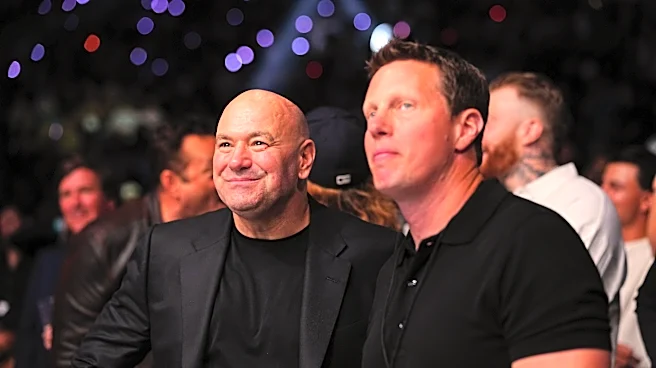
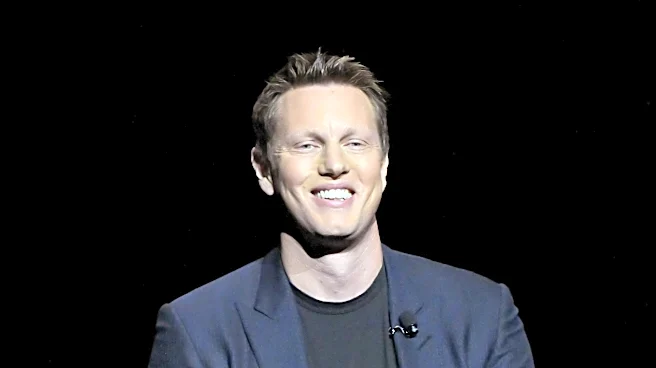
Skydance CEO David Ellison has confirmed that a bundled offering of HBO Max and Paramount+ will launch in early 2027. This announcement was made in a letter to shareholders and further discussed during a conference call with Wall Street analysts. The
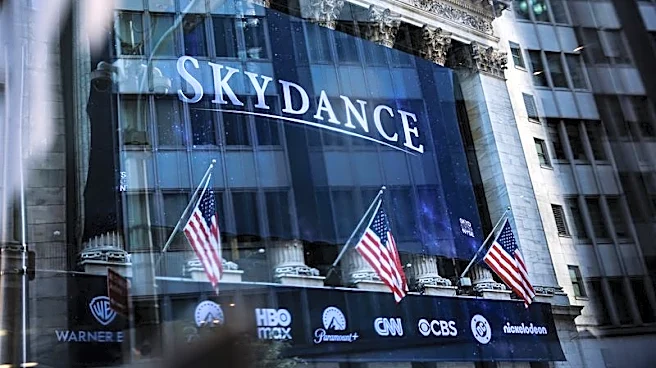
bundle is positioned as the initial step towards unifying the two streaming services, which currently boast a combined subscriber base of 203 million. Ellison emphasized that the two platforms are highly complementary, catering to different consumer segments and geographical regions. The goal of this integration is to enhance user engagement, improve subscriber retention, and ultimately boost revenue and profitability for Skydance. While specific pricing details for the bundle have not yet been disclosed, it is anticipated that there will be a significant financial incentive for consumers to opt for the bundled package over individual subscriptions. This move follows the $110 billion merger of Paramount and Warner Bros. Discovery into Skydance, which concluded in early October.
Why It's Important?
The introduction of a bundled HBO Max and Paramount+ service marks a significant strategic shift in the competitive U.S. streaming landscape. By combining these two major platforms, Skydance aims to create a more compelling value proposition for consumers, potentially drawing subscribers away from competitors like Netflix, Disney+, and Amazon Prime Video. This strategy could lead to increased market share and revenue for Skydance, as it leverages the diverse content libraries of both services, including popular titles like 'Harry Potter,' 'The Pitt,' 'Mayor of Kingstown,' and 'Landman.' For consumers, the bundle offers the potential for cost savings and a more consolidated viewing experience. However, it also intensifies the competition among streaming providers, potentially forcing other companies to re-evaluate their pricing and bundling strategies. The success of this bundle could set a precedent for future consolidations or partnerships within the streaming industry, impacting how content is distributed and consumed in the long term.
What's Next?
Following the confirmation of an early 2027 launch, Skydance will likely focus on developing the technical infrastructure required to seamlessly integrate the two platforms into a single bundled offering. Key next steps will involve finalizing the pricing structure, which Ellison indicated would be phased in with discipline and consumer feedback. The company will also need to strategize its marketing and promotional campaigns to effectively communicate the value of the new bundle to potential subscribers. Stakeholders, including investors and industry analysts, will closely monitor subscriber uptake and financial performance post-launch to assess the effectiveness of this strategy. Furthermore, the long-term plan involves eventually merging HBO Max and Paramount+ into a single, unified service, a complex undertaking that will require significant technological and strategic planning beyond the initial bundle. This phased approach suggests a careful, deliberate integration process aimed at maximizing consumer satisfaction and business growth.
Beyond the Headlines
The impending HBO Max-Paramount+ bundle signifies a broader trend of consolidation and strategic alliances within the U.S. media industry, driven by the intense competition for subscriber attention and revenue in the streaming wars. This move could lead to a re-evaluation of content licensing agreements and exclusive distribution rights as companies seek to maximize the appeal of their bundled offerings. Ethically, the consolidation of content under fewer, larger entities raises questions about media diversity and consumer choice, as smaller content creators might find it harder to reach audiences. Legally, such large-scale mergers and integrations could attract scrutiny from antitrust regulators, although the initial merger has already been completed. Culturally, the bundle could influence viewing habits by making a wider array of content more accessible, potentially leading to new cross-pollination of fan bases between previously distinct platforms. This development underscores a long-term shift from fragmented content consumption to more integrated, comprehensive entertainment packages, reshaping the future of digital media.