







What's Happening?
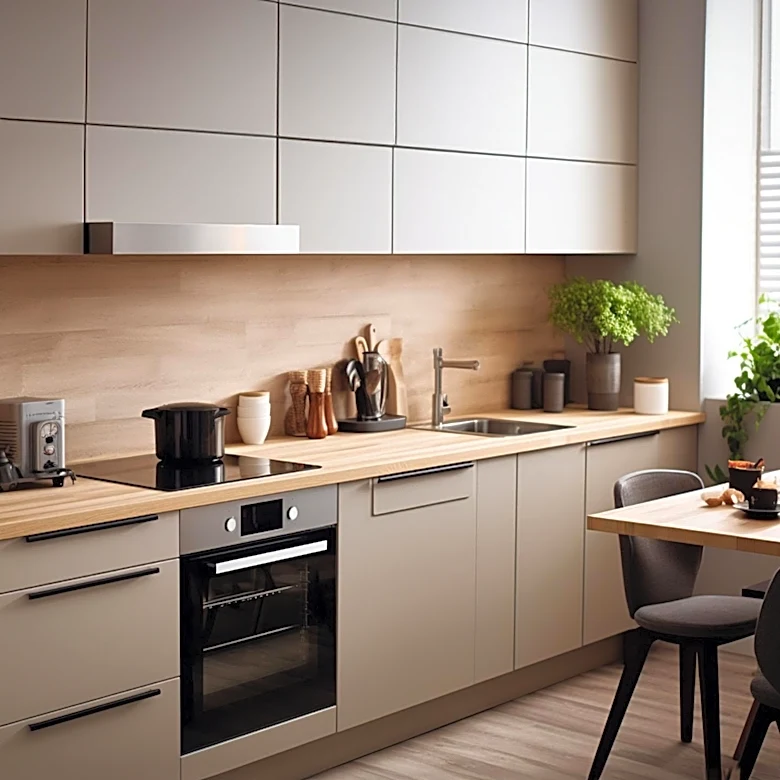
Remodel AI has launched an AI-powered space design and renovation tool that allows users to transform photos of rooms, houses, or outdoor spaces into new visual designs within approximately 10 seconds. The platform offers over 30 interior design styles,
along with specialized tools for exterior facade and garden design. Key features include interior remodeling, virtual furnishing, floor replacement, wall color experimentation, removal of unwanted elements, and furniture replacement. Users can save, share, and download their designs, with support for web, iOS, and Android devices. The service operates on a freemium model, providing 3 free designs without requiring a credit card. Paid plans, starting at $29 per month, offer additional features such as a higher volume of designs, HD downloads, watermark removal, and the ability to create multiple rooms simultaneously. The platform claims to have generated over two million designs.
Why It's Important?
This development is significant for the U.S. home design and renovation industry, offering a cost-effective and rapid solution for homeowners, real estate agents, and interior design enthusiasts. By providing instant visual concepts, Remodel AI can streamline the initial planning stages of renovation projects, potentially reducing the need for expensive consultations and mitigating costly mistakes in design choices. The accessibility across multiple platforms (web, iOS, Android) broadens its reach, making professional-grade design tools available to a wider audience. For businesses in the home improvement sector, this tool could accelerate sales cycles by helping clients visualize potential changes more easily. The freemium model also lowers the barrier to entry, allowing users to experiment before committing to a subscription, which could drive wider adoption of AI in personal and professional design projects.
What's Next?
Remodel AI is expected to continue evolving its AI capabilities, potentially integrating more advanced features like augmented reality for real-time visualization within physical spaces. The company may also expand its library of design styles and tools to cater to a broader range of aesthetic preferences and functional requirements. As more users adopt the platform, there could be an increase in demand for complementary services, such as contractors specializing in AI-generated designs or suppliers offering materials and furniture that align with the platform's output. The freemium model will likely attract a large user base, leading to increased competition in the AI-powered design tool market. Future updates might focus on enhancing the realism and accuracy of generated designs, further blurring the lines between AI concepts and real-world execution.
Beyond the Headlines
The rise of AI tools like Remodel AI has deeper implications for the interior design profession. While these tools offer efficiency and accessibility, they also raise questions about the future role of human designers. The ability of AI to generate diverse design ideas quickly could shift the designer's role from conceptualization to curation and refinement, focusing more on personalized client relationships and unique artistic vision that AI cannot replicate. There's also an ethical dimension concerning the originality and intellectual property of AI-generated designs. Furthermore, the widespread use of such tools could democratize design, empowering individuals to take a more active role in shaping their living spaces, potentially leading to a more diverse and personalized aesthetic landscape across U.S. homes. The integration of AI in design also highlights the ongoing trend of technology augmenting human creativity rather than entirely replacing it.