

What's Happening?
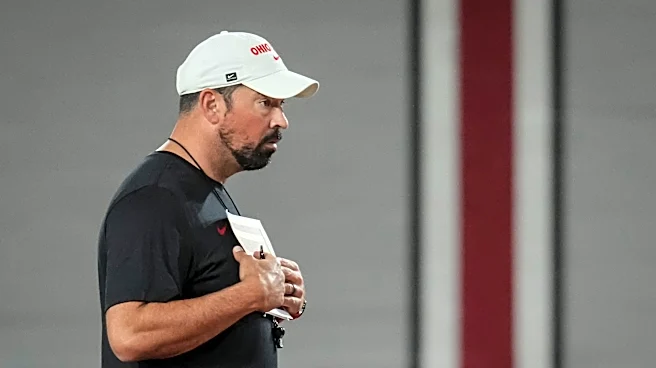
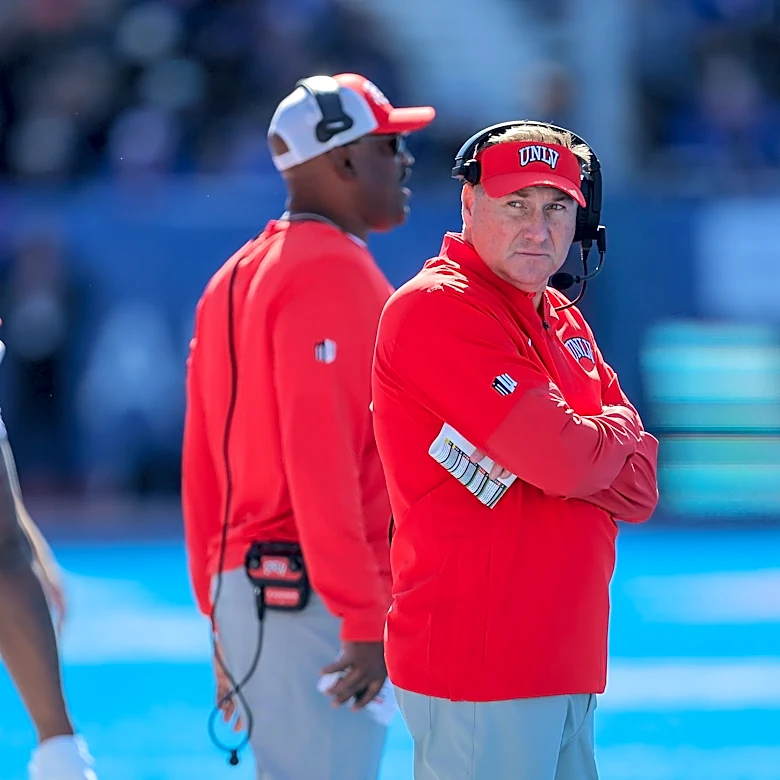
Oregon head coach Dan Lanning has voiced strong disapproval regarding a recent court ruling that granted 16 players from the class of 2022 a temporary restraining order against the NCAA. This order allows these players a fifth year of eligibility, enabling
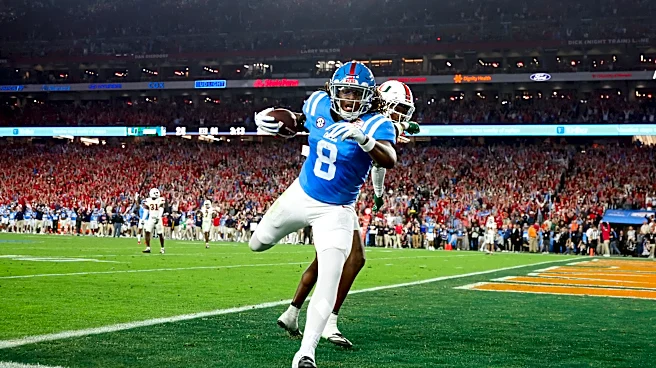
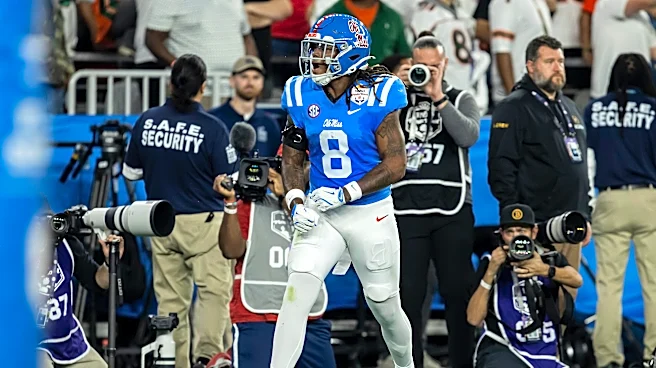
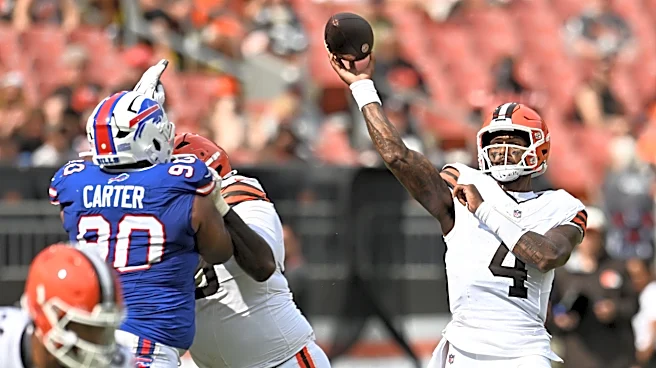
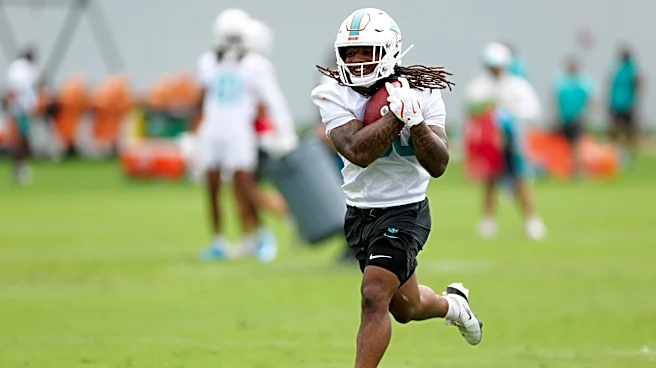
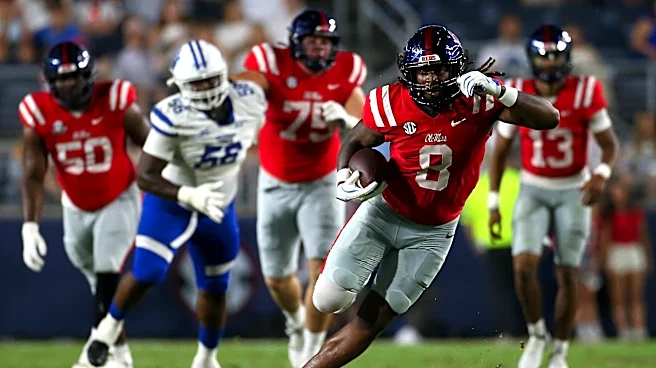
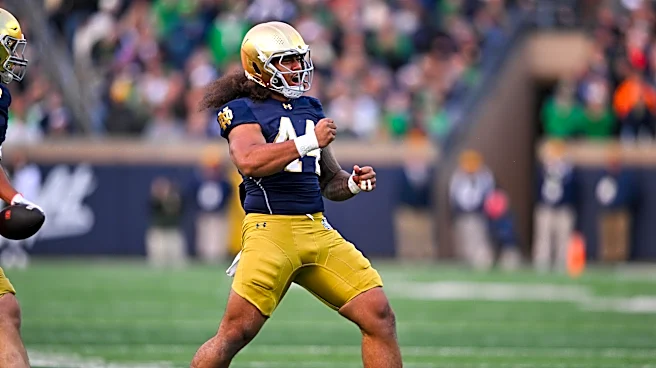
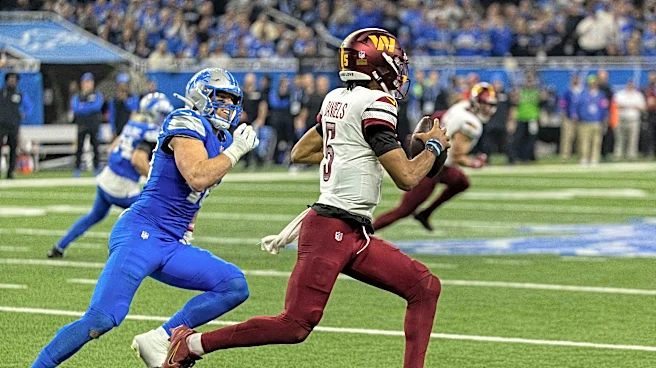
them to enter the transfer portal. Notably, some of these players, such as former Ole Miss tight end Dae'Quan Wright and former LSU defensive end Jack Pyburn, are currently on NFL training camp rosters and have participated in preseason games. Wright, for instance, reportedly entered the transfer portal while also playing for the Cleveland Browns. The ruling challenges the NCAA's established eligibility model, which typically grants athletes five years to play five seasons, starting either on their 19th birthday or their enrollment date. Lanning argues that once a player enters the NFL, they should remain in the NFL and not be permitted to return to college. He also highlighted the practical difficulties this creates for college teams, as rosters are built with specific limits, and bringing back an NFL player would necessitate removing another student-athlete who has committed to the team.
Why It's Important?
This development carries significant implications for the landscape of college football, particularly concerning roster management and fairness for current student-athletes. The ability for players to potentially move between NFL training camps and college rosters introduces an unprecedented level of instability and uncertainty for college programs. Coaches like Lanning face the challenge of maintaining roster integrity and team chemistry when established players could be displaced by returning NFL athletes. This situation could also create a competitive imbalance, as programs with the resources to attract returning NFL players might gain an unfair advantage. Furthermore, it raises questions about the NCAA's authority and its ability to enforce eligibility rules, especially in the face of legal challenges. The ruling could set a precedent for future cases, potentially leading to more fluid movement between professional and collegiate sports, which could fundamentally alter the traditional structure of college athletics and the development pathways for young athletes.
What's Next?
The immediate future will likely see more players from the 2022 class attempting to leverage this ruling to re-enter college football, potentially leading to further legal challenges and adjustments to NCAA policies. College football programs will need to adapt their recruitment and roster management strategies to account for this new variable. The NCAA is expected to continue its legal battles to uphold its eligibility rules, but the outcome of these cases remains uncertain. There could be a push for new regulations or agreements between the NCAA and professional leagues to clarify the pathways for athletes moving between collegiate and professional sports. The situation may also prompt discussions among college athletic directors and conference commissioners about potential changes to roster limits and scholarship allocations to accommodate such scenarios. The long-term impact could involve a re-evaluation of the amateurism model in college sports and the relationship between collegiate and professional athletic careers.
Beyond the Headlines
The underlying implications of this ruling extend to the very definition of amateurism in college sports and the increasing professionalization of collegiate athletics. The blurring lines between college and professional careers, exacerbated by Name, Image, and Likeness (NIL) opportunities and the transfer portal, challenge traditional notions of student-athletes. This situation highlights the ongoing tension between the NCAA's regulatory framework and the evolving legal and economic realities of modern sports. It also raises ethical considerations regarding the impact on younger athletes who may lose roster spots to returning professionals, potentially disrupting their academic and athletic development. The ruling could accelerate a shift towards a more professionalized model for college football, where player movement and financial incentives play an even larger role, potentially diminishing the emphasis on collegiate experience and academic pursuits for some athletes. This could lead to a broader debate about the purpose and future direction of college sports in the United States.