



What's Happening?
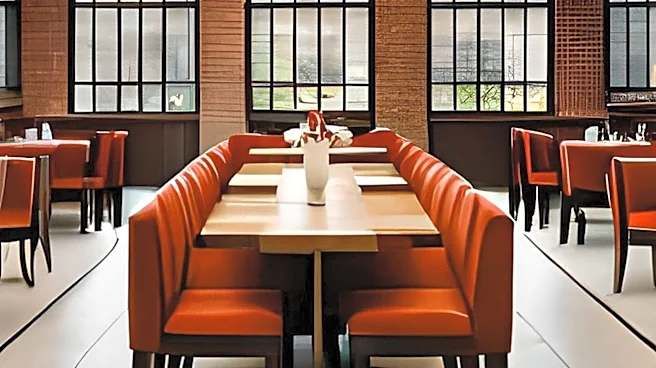
Suffolk University's Samia Academic Center dining hall has undergone renovations, introducing a new pay gate system that requires students to pay to enter the dining hall, even if they only wish to use the seating area. This change has been met with controversy
among students, as it effectively transforms a previously accessible 'third space' into an exclusive area. The dining hall served as a crucial informal gathering spot for both commuter and residential students to socialize, relax between classes, and study without incurring additional costs. The new system mandates the use of a meal swipe for entry, which is problematic for students on meal plans with limited weekly swipes. For instance, the cheapest meal plan offers only seven swipes per week, making it difficult for students to justify using a swipe simply to access a seating area. This policy is seen as a barrier to maintaining a friendly and open atmosphere on a campus that already lacks numerous student-friendly communal spaces outside of classrooms or libraries.
Why It's Important?
The implementation of a pay gate at Suffolk University's Samia dining hall has significant implications for student life and campus culture. The concept of 'third spaces'—informal public places where people can gather, socialize, and build community—is vital for fostering a sense of belonging and well-being, especially in urban university settings like Boston where centralized campuses are less common. By restricting access to the dining hall's seating area, the university risks alienating students, particularly commuters and those with limited meal plans, who rely on such spaces for their daily routines. This move could exacerbate feelings of exclusion and reduce opportunities for spontaneous interaction among the student body. Furthermore, it raises questions about the university's commitment to providing accessible and inclusive environments for all its students, potentially impacting student satisfaction and retention. The controversy also highlights broader issues of commercialization within educational institutions and the balance between revenue generation and student welfare.
What's Next?
Students at Suffolk University are actively protesting the new pay gate system, with a petition circulating to advocate for its removal. The university administration will likely face continued pressure from the student body to reconsider its policy. Potential reactions could include student government involvement, further organized protests, or direct negotiations with university officials regarding meal plan structures and access to campus facilities. The outcome could lead to a modification of the dining hall's access policy, such as creating designated free-access areas or adjusting meal plan options to accommodate the need for informal gathering spaces. Alternatively, if the university maintains its current stance, it may need to address the resulting decline in student morale and the potential for increased social isolation among certain student groups. The situation could also prompt a broader discussion within the university about the availability and accessibility of 'third spaces' across campus.
Beyond the Headlines
This situation at Suffolk University reflects a growing trend in higher education where financial pressures and operational efficiencies sometimes lead to policies that inadvertently diminish the student experience. The dining hall, often more than just a place to eat, serves as a social hub, a study spot, and a place for informal mentorship and networking. By monetizing access to this space, the university risks undermining the very community it aims to build. The ethical dimension of this decision lies in balancing the institution's financial needs with its responsibility to provide an enriching and inclusive environment for all students. The controversy also touches upon the broader issue of affordability in higher education, where every additional cost, even a meal swipe for a seating area, can impact students already struggling with tuition and living expenses. This incident could serve as a case study for other universities grappling with similar challenges, prompting them to consider the social and psychological costs of such policies.