






What's Happening?
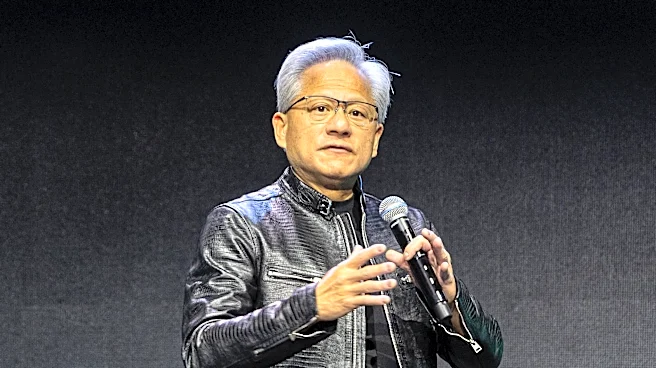
NVIDIA CEO Jensen Huang has publicly acknowledged an extramarital affair, leading to an independent investigation by NVIDIA's board. This personal matter has become intertwined with scrutiny over Megaspeed, a Singapore-based company and NVIDIA's largest
partner in Southeast Asia. Megaspeed, founded in 2023, has imported billions of dollars worth of AI equipment containing NVIDIA chips, primarily for data centers in Malaysia and Indonesia. These data centers lease computing power, with Alibaba reportedly being a major client. This business model is seen as exploiting a loophole in US export controls, as US regulations govern chip transit but not the online leasing of computing power. The US Department of Commerce became concerned after an inspection in late 2024 found NVIDIA servers still sealed in boxes at a Megaspeed facility in Malaysia, raising suspicions that the equipment was not intended for local use. Further reports indicated a significant discrepancy between imported chips and those found on-site, suggesting potential diversion.
Why It's Important?
This situation highlights a critical challenge to US export controls designed to limit China's access to advanced AI technology. The 'overseas training, domestic inference' model, where computing power is leased from facilities outside China, allows Chinese companies to bypass direct chip export restrictions. This creates a 'gray area' in regulation, potentially undermining the effectiveness of US policy aimed at maintaining a technological advantage. For NVIDIA, a major US technology company, the scandal could lead to increased regulatory scrutiny and potential damage to its reputation if its partners are found to be facilitating circumvention of US laws. The incident also underscores the complex and intertwined nature of the global technology supply chain, where capital and technology constantly seek pathways to flow, often exploiting regulatory gaps. The financial discrepancies and operational opaqueness of Megaspeed raise questions about the due diligence and oversight within such partnerships.
What's Next?
The US House of Representatives has already passed the Remote Access Security Act, which aims to classify remote access to controlled chips as exports, but this legislation is currently stalled in the Senate. The Commerce Department is also reportedly drafting new rules to target remote computing power, though these have not yet been made public. If these legislative and regulatory efforts succeed, they could significantly impact companies like Megaspeed and NVIDIA's business model in Southeast Asia. The ongoing independent investigation by NVIDIA's board will likely determine the company's official stance and any internal actions regarding its partnership with Megaspeed. The outcome could lead to stricter enforcement of export controls, potentially making it more costly and uncertain for Chinese AI companies to access advanced computing power through these channels. This could also prompt other secondary computing providers in Southeast Asia catering to Chinese clients to reassess their operations.
Beyond the Headlines
The Megaspeed case reveals a deeper implication regarding the evolving nature of technological warfare and economic competition. As physical embargoes on chips become tighter, the focus shifts to controlling the flow of computing power, which can traverse borders through fiber optic cables. This development challenges traditional notions of export control, which were primarily designed for physical goods. The incident also brings to light the ethical and legal complexities of corporate responsibility in a globally interconnected supply chain, especially when partners operate in regulatory gray areas. The potential for 'presumption of guilt' in media narratives, particularly concerning alleged Chinese infiltration, could further erode trust and normal technological and economic exchanges between nations, impacting the global supply chain. This situation underscores the need for international cooperation and clear, adaptable regulatory frameworks to address the rapid advancements in technology and their geopolitical implications.